Suffolk Craft Beer Guide: Inside Long Island Alcohol Store
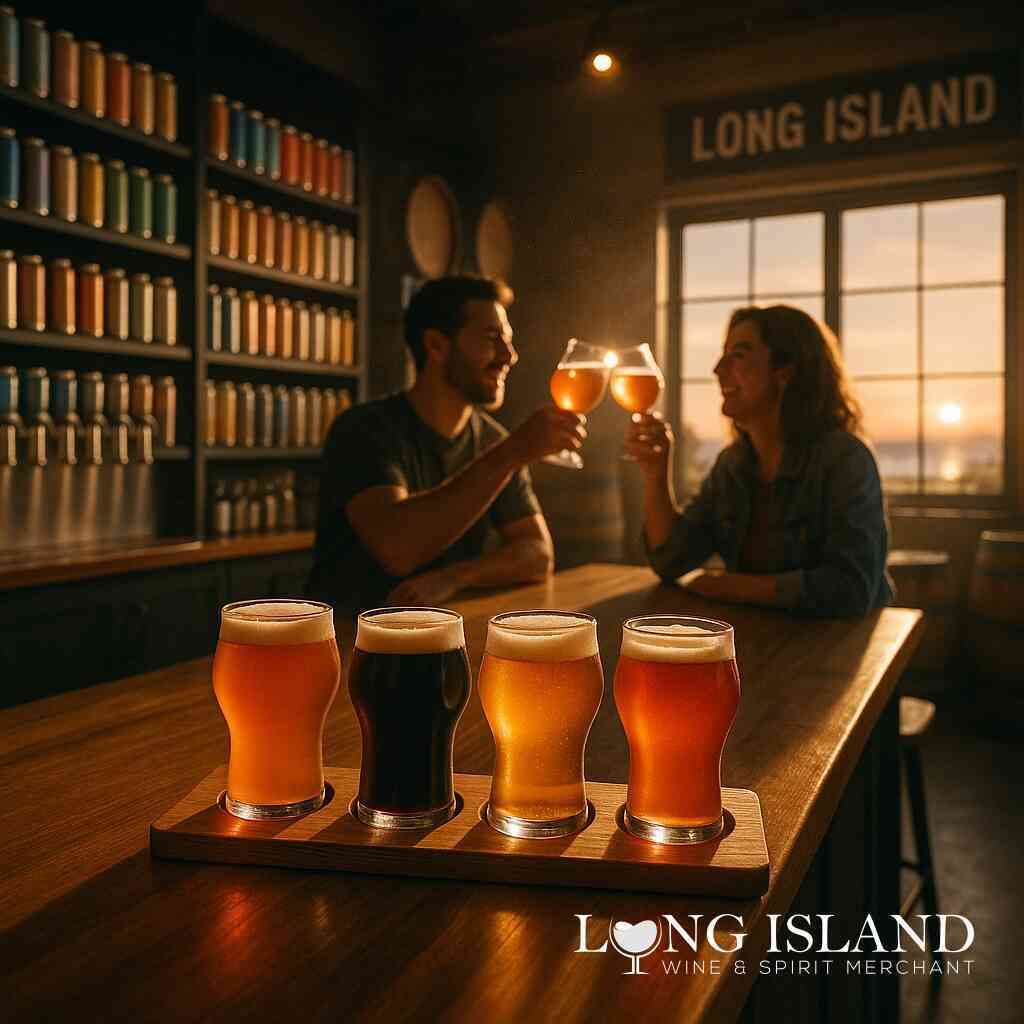
Discover Suffolk County’s Evolving Craft Beer Scene
Long Island Alcohol Store in Commack has become a dependable checkpoint for anyone who wants to keep up with the fast-moving world of Suffolk craft beer. This guide examines what is pouring now, how local brewers are pushing techniques forward, and practical tips for selecting the right can or bottle for any occasion.
Hop-Forward IPAs: From Palate Wreckers to Balanced Juice
A few years ago, bitter bombs ruled the taps. Today the most talked-about IPAs in Suffolk pivot toward expressive aroma and restrained bitterness:
- Mosaic-Driven Haze – Expect ripe mango, blueberry, and a softly bitter finish that welcomes new drinkers.
- Citra & Experimental Blends – Cryo-processed pellets lock in citrus notes without adding harsh bite.
- Lower IBU West Coast Revivals – Brewers are revisiting piney classics but trimming the bitterness for a cleaner snap.
At the shop, each new batch is blind-tasted on arrival. Staff track canning dates, haze stability, and mouthfeel before anything hits the cooler. If a can doesn’t pop with freshness, it never reaches the sales floor.
Food Pairing Pointers
Hop-forward IPAs shine when paired with dishes that echo their bright fruit character:
- Spicy shrimp or chicken tacos
- Grilled pineapple skewers
- Sharp cheddar or aged gouda
Light carbonation and tropical aromas refresh the palate, keeping heat and fat in check.
The Microbrew Trail: Commack to the Coast
Commack sits at an ideal crossroads. Within a forty-minute drive you can visit farmhouse breweries tucked among potato fields or sip lagers beside the Atlantic. Terroir shows up in subtle ways:
- Coastal Breweries – Sea air introduces a faint salinity that can lend kölsch and saison an extra snap.
- Inland Cellars – Cooler ground temperatures help malty styles clarify slowly, enhancing depth without filtration.
- Farm-Based Systems – On-site well water and estate grains create truly local expressions, especially in rustic ales.
Before weekend explorers begin their route, many stop at Long Island Alcohol Store for insider maps and cooler packs. Staff know distributor drop schedules, so travelers often secure small-batch cans that would otherwise sell out by the time they reach the taproom.
Why Limited Edition Cans Matter
Limited runs capture a single moment—peak hop harvest, a unique barrel, or one-off yeast. The store’s cold chain ensures fragile compounds remain intact from brewery to shelf. Each case is logged with its canning date, hop variety, and suggested drinking window. Benefits include:
- Freshness Transparency – Shoppers can make informed decisions at a glance.
- Brewer Creativity – Guaranteed placement encourages breweries to take risks on small projects.
- Consumer Education – Detailed signage breaks down style, origin, and ideal serving temperature.
Small drops often vanish in a weekend, so buying two cans—one to open immediately, one to cellar—allows you to taste how haze or barrel character evolves over a few weeks.
Inside the “Artisanal Lager Lab”
Walk through the cooler doors and you will find the shop’s unofficial research station. Staff regularly measure turbidity, gravity, and final pH on sample pours, recording data for future recommendations.
Hazy vs. West Coast: Two Paths, One Goal
- New England IPA: Oats and wheat create a pillowy body. Dry-hopping during active fermentation unlocks biotransformation, boosting peach and passion fruit.
- West Coast IPA: Cleaner malt base, earlier kettle hops, and lower final gravity yield a crisp, resinous finish.
Both styles have a rightful place in the lineup, and the store encourages flights that compare haze softness with coastal bite.
Barrel-Aged Stout Season
When temperatures dip, barrel racks roll out. Suffolk brewers favor:
- Bourbon barrels for vanilla and caramel
- Rye whiskey barrels for spicy depth
- Cognac barrels for dried fruit and subtle tannin
Tips for enjoying a barrel-aged stout:
- Serve at 55 °F to unlock chocolate and oak without numbing the palate.
- Use a tulip glass to concentrate aromatics.
- Pair with blue cheese, dark chocolate, or roasted nuts to highlight sweetness.
Practical Buying Advice
Even experienced drinkers can feel overwhelmed by endless limited releases. The following checklist keeps choices grounded:
- Check the Date – IPA? Aim for under 45 days. Lager or stout? Up to six months is usually fine.
- Read the Hop Bill – If you love tropical flavors, look for Citra, Strata, or Galaxy. Pine fans should note Chinook or Simcoe.
- Mind the ABV – A 6 % pale ale suits backyard sessions better than a 10 % triple IPA.
- Plan the Pairing – Think about tonight’s menu or gathering. Matching intensity avoids palate fatigue.
How the Store Maintains Quality
Quality control does not stop with refrigeration. Long Island Alcohol Store follows several best practices:
- Inventory is rotated weekly; older product is discounted before quality slips.
- Staff sample off-flavor reference kits to sharpen detection skills.
- Customer feedback is logged and shared with brewers, creating a feedback loop that raises regional standards.
Final Thoughts
Suffolk County’s craft beer landscape moves quickly, but a few constants remain: freshness, thoughtful technique, and a community that values experimentation. Long Island Alcohol Store acts as both curator and educator, ensuring that whether you crave a soft-focused New England IPA, a salt-kissed coastal saison, or a bourbon-soaked stout, you will find a can that captures the spirit of 2026 brewing on Long Island.
Exploring with curiosity—and maybe a chilled cooler in the trunk—continues to be the surest path to tasting Suffolk’s most exciting beers at their peak.
Suffolk Craft Beer Review at Long Island Alcohol Store


Comments
Post a Comment