Smart Ways to Choose Wine: Comparing Modern Selection Tools
Why Wine Selection Techniques Matter
Careful selection turns a random bottle into a memorable experience. Today the options for choosing wine range from in-store sommeliers to data-driven quizzes. This guide looks at how those methods work, where each shines, and how shoppers can combine them when browsing a retailer such as Liquor Store Open.
Four Main Paths to the Right Bottle
Traditional Aisle Browsing
• Relies on label reading, price comparison, and gut instinct.
• Works well for seasoned drinkers who recognize producers or regions.
• Downsides: limited information at the shelf and risk of decision fatigue.Sommelier or Staff Recommendation
• A human expert interprets your flavor preferences, budget, and meal plans.
• Adds storytelling about vineyard visits or vintage conditions.
• Limited by staff availability and by the specific inventory that day.Crowdsourced Ratings and Reviews
• Scores from large user communities introduce social proof.
• Helpful for spotting broadly liked styles, especially for gifts.
• Tends to favor popular brands; subtle, small-production wines can be overlooked.Algorithmic Matching Tools
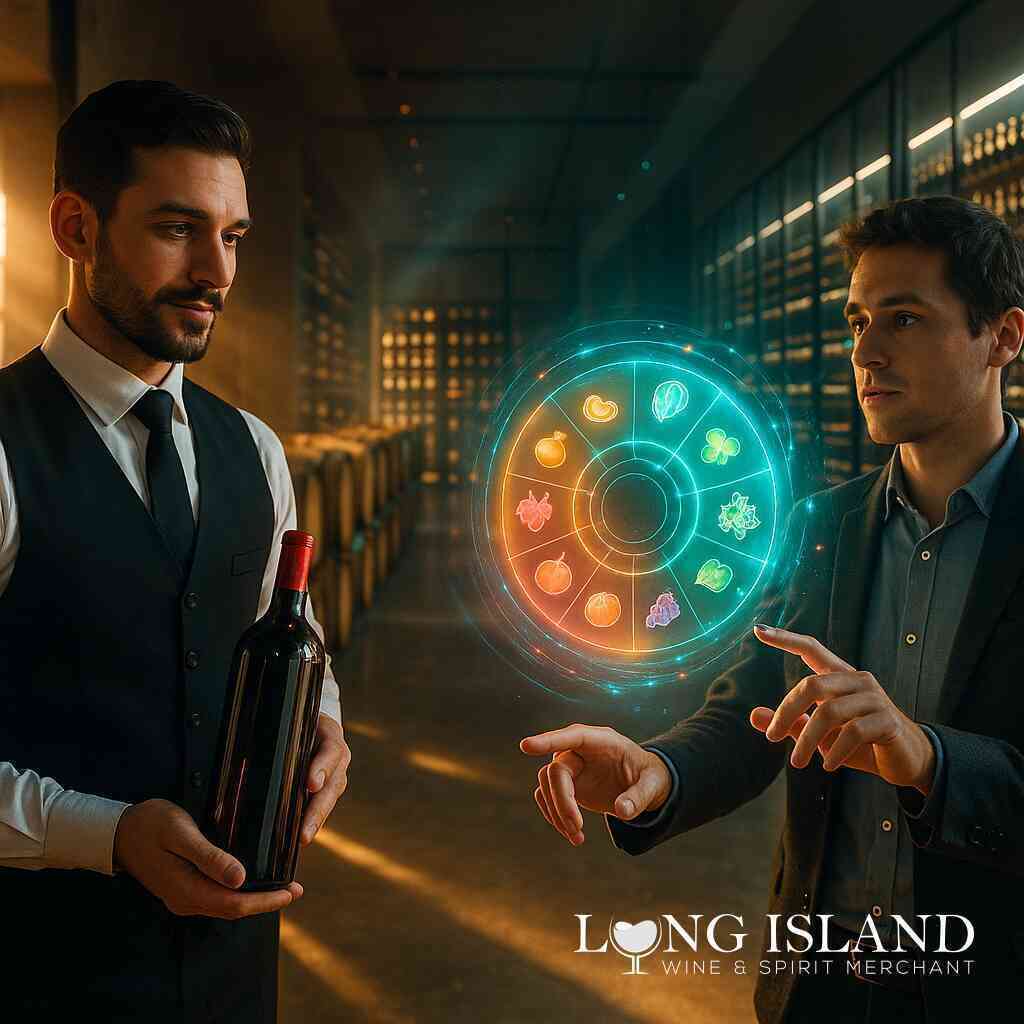
• Online quizzes or digital flavor wheels translate answers into tailored suggestions.
• Can analyze thousands of tasting notes instantly and surface hidden gems.
• Quality depends on the data set and may need human context to feel personal.
How Algorithmic Matching Works
Most quizzes start by asking a handful of practical questions:
- Sweetness preference (dry, off-dry, dessert-style)
- Typical beverage choices (coffee, tea, soda) to gauge acidity comfort
- Flavor keywords you enjoy (citrus, smoke, floral)
- Food pairings and budget range
Behind the scenes, the program compares your input with a database of bottles tagged by aroma, body, tannin, and price. The result is a ranked list that can be filtered again by region or organic certification. Because the process is instant, it is perfect for quick weeknight decisions or filling a mixed case before a backyard party.
Strengths
- Eliminates the intimidation factor for new drinkers.
- Encourages exploration by recommending lesser-known grapes like Grüner Veltliner or bold Sicilian Nero d’Avola.
- Provides 24-hour access—ideal when browsing after work instead of during store hours.
Limitations
- Cannot read situational nuances you forgot to mention, such as a guest’s allergy to oak influence.
- May weigh lighter-bodied reds the same as robust ones if the data tagging is broad.
The Human Edge of a Sommelier
Even the most detailed algorithm cannot replicate a sommelier’s ability to observe body language, note seasonal weather, and recall the freshest arrivals from yesterday’s shipment. In a Long Island setting, that human edge might include stories from a recent barrel tasting on the North Fork or an update on how an unusually cool growing season affected cabernet ripeness.
When to Lean on Staff Expertise
- Planning a milestone dinner where emotional tone matters as much as flavor.
- Pairing multiple courses with progressive wines.
- Needing insider knowledge on aging potential or limited allocations.
A Hybrid Approach Delivers the Best of Both Worlds
Many shoppers now start with a digital quiz to narrow choices, then confirm with a quick question to staff—either in person at the Commack storefront or by phone. This two-step routine offers:
- Speed: The quiz trims a list of 1,000 bottles to 5–10 highly relevant options.
- Confidence: A real person validates that the 2019 vintage is drinking better than the 2020 and flags any recent price drops.
Evaluating Each Technique Against Key Goals
| Goal | Aisle Browsing | Sommelier | Crowd Ratings | Algorithm |
|---|---|---|---|---|
| Accuracy to Palate | Low-Medium | High | Medium | High |
| Educational Value | Medium | High | Medium | High |
| Convenience | Medium | Medium | High | Very High |
| Adventure Factor | Low | High | Medium | High |
No single column dominates every row. Matching the method to the moment is the smarter play.
Practical Scenarios and Recommended Paths
Weeknight Pasta for Two
Start with an algorithmic search filtered to medium-bodied Italian reds under $25. Confirm acidity level with a quick look at crowd reviews.Birthday Celebration at a BYO Restaurant
Chat with the store’s wine consultant about the menu. Let them recommend a Champagne with enough richness to bridge seafood and roast chicken.Stocking a Vacation Rental
Use the flavor wheel online to build a diverse case—crisp sauvignon blanc, fruit-forward rosé, and lighter-alcohol reds—then have it shipped ahead of arrival.
Getting More From Digital Flavor Wheels
When an online store displays a rotating flavor wheel, treat it as a map rather than a verdict. Find a familiar zone—perhaps “stone fruit” or “spice box”—then look one segment away. Wines that sit adjacent often share compatible structure while adding a point of intrigue.
Tips for using the wheel:
- Note the dominant quadrant of past favorites to spot your core preference.
- Move clockwise one or two slots for gentle experimentation.
- Cross the wheel entirely when cooking bold dishes like smoked brisket, where an equally bold wine is required.
Final Thoughts
Digital tools have transformed how wine is selected, but they have not replaced human insight. Instead, they save time and widen the playing field. A well-run retailer combines both, ensuring that a bottle of Finger Lakes riesling shipped across the country arrives with the same confidence as one hand-sold at the counter.
Approach each purchase with a clear purpose: who will drink it, what will be on the plate, and how adventurous the mood feels. Then choose the method—or blend of methods—that fits. With a little structure, any shopper can turn selection into discovery and every cork into a story worth retelling.
Comparing Wine Selection Techniques at Liquor Store Open


Comments
Post a Comment