Shop Liquor Bottle Sizes: How Formats Shape Drink Trends
Why Bottle Size Matters in 2026
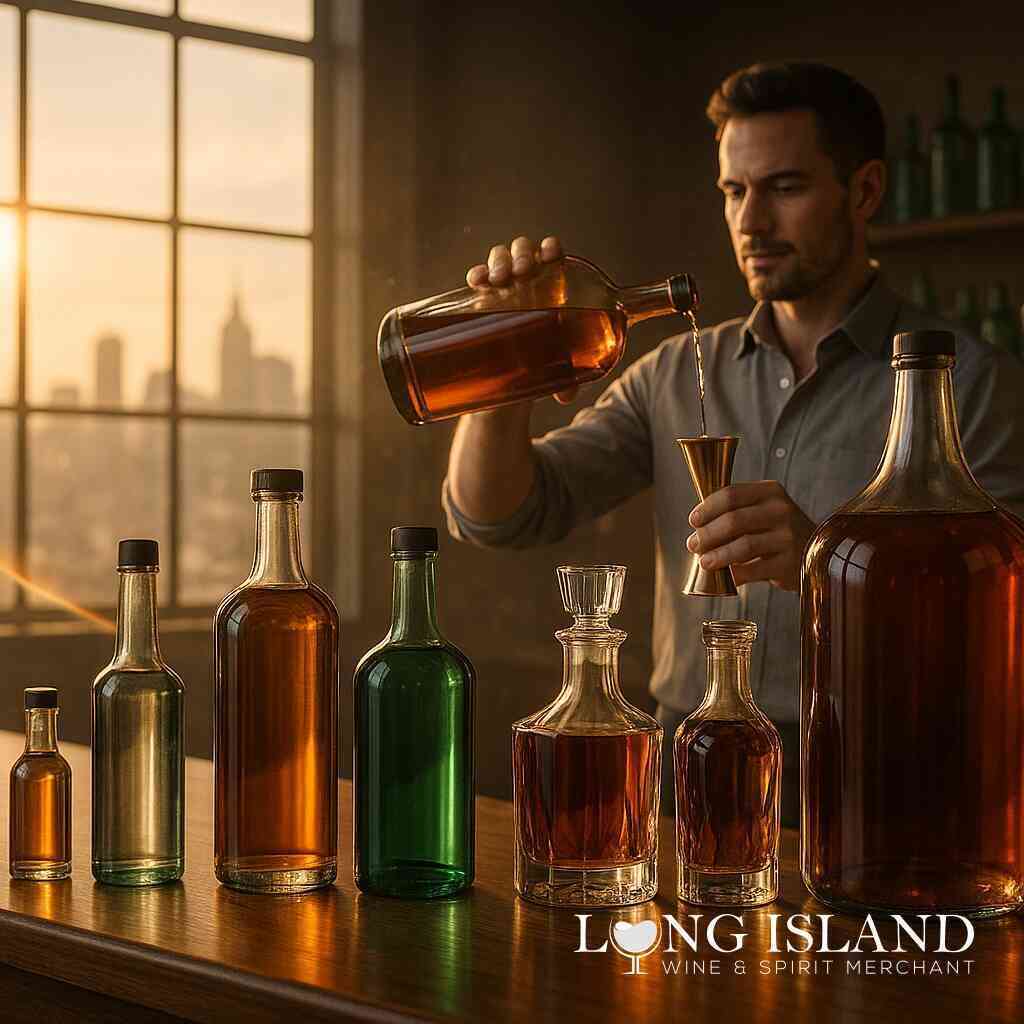
The classic 750-milliliter bottle still anchors most backbars, yet modern drinkers expect more flexibility. Shop Liquor in Commack treats that mid-range volume as a baseline, experimenting with formats that solve real-world hosting and bartending challenges. This guide explores how each size earns its place on the shelf and what it signals about the spirit inside.
Small Formats: Discovery Without Commitment
50 ml to 200 ml
- 50 ml “mini” – Ideal for sampling botanical gins, flavored vodkas, or niche liqueurs. Shoppers test drive a new brand for the price of a latte, lowering risk and encouraging impulse discovery.
- 100 ml pocket flask – A step up in volume that still satisfies airline regulations. It travels well to concerts or picnics and often features premium bourbon or single-malt Scotch otherwise sold only in larger formats.
- 200 ml half-pint – Common for cocktail syrups and aperitivos. At home, hosts can stock several styles without crowding the refrigerator door.
Why it matters: Smaller bottles reduce waste for low-frequency sippers, and distillers gain trial from consumers who would never shell out for a full 750 ml. The feedback loop rewards innovation and honest labeling, because there is no room to hide flaws in a two-ounce pour.
The Workhorse: 500 ml to 1 L
500 ml “mixology tester”
Bartenders love the extra headspace for an ounce jigger while staying under the glassware limits imposed by some local venues. You will often see rare vermouth or artisanal amaro sold in this size, which balances freshness and shelf life.
700 ml European standard
Global brands bottle at 700 ml for uniform export compliance. Shop Liquor carries both 700 ml and 750 ml lines so customers can compare price-per-ounce with ease.
1 liter bar staple
The larger neck fits speed-pour spouts, conserving motion during high-volume service. Event planners appreciate the math: one bottle yields roughly 22 standard cocktails, simplifying forecasting for open-bar packages.
Party Leaders: 1.5 L to 3 L
1.5 L Magnum
A magnum’s real advantage is thermal stability. Double the liquid means temperature changes occur more slowly, protecting delicate aromatics in Champagne-method cider or cask-strength rye. At outdoor gatherings, that translates to a longer optimal drinking window without constant trips to the cooler.
1.75 L “handle”
The iconic plastic-top rum jug earns its nickname from the molded grip. It rules tailgates and budget-friendly weddings where high mixer ratios wash out subtle flavor distinctions anyway. From an environmental angle, one 1.75 L bottle replaces more than two 750 ml containers, cutting glass weight and recycling volume.
3 L Jeroboam
Shop Liquor’s winter-release jeroboams—often filled with limited rye—arrive in oak boxes with numbered medallions. Collectors treat them as functional art: pour the first toast on New Year’s Eve, then display the empty vessel beside the humidor.
Giant Statements: 6 L and Beyond
Six-liter Imperials stand almost two feet tall. They dominate charity auctions because a single bottle fills thirty-plus glasses while acting as stage décor. Oxidative stability improves in these giants, helping bold reds evolve more evenly during cellar aging.
Design Choices That Amplify Size
- Glass thickness – Heavier walls signal quality and protect against breakage when formats exceed three liters.
- Shoulder vs. column profile – A broad shoulder conveys strength in bourbon; a slender column suggests modernity in vodka.
- NFC corks – Embedded chips verify authenticity and open bonus content on a phone, adding a digital layer to the unseal moment.
- Recycled eco-glass – Lighter yet durable, it lowers shipping emissions—essential as e-commerce now accounts for a growing share of spirit sales.
Economic Impact for Hosts and Bars
| Size | Avg. pours | Cost control benefit |
|---|---|---|
| 50 ml | 1–2 | Limits waste on premium SKU trials |
| 750 ml | 17 | Familiar cost calculations, good for menu pricing |
| 1 L | 22 | Fewer changeovers during service |
| 1.75 L | 39 | Best cost-per-ounce for mixed-drink events |
Bulk formats do not only reduce cost. They also streamline inventory counts and purchase orders. A caterer tracking ten handles is more efficient than logging twenty-three 750 ml bottles after a gala.
Cultural Signals Behind Each Choice
- Minis whisper experimentation and giftability.
- Magnums shout celebration and status.
- Handles promise casual camaraderie.
- Jeroboams narrate heritage and collectible value.
Recognizing these cues helps retailers merchandise strategically—magnums near seasonal décor, minis at checkout, and collectible jeroboams in lit cabinets where storytelling matters most.
Sustainability Spotlight
Larger bottles can cut total packaging weight by up to 20 percent per fluid ounce shipped. When matched with recycled cardboard dividers, a pallet of 1 liter bottles can lower a distributor’s carbon footprint more effectively than switching to lighter glass alone. Still, right-sizing matters: forcing casual consumers into oversized formats backfires when half-finished bottles expire.
Practical Tips for Choosing the Right Format
- Estimate consumption window. Will the spirit be emptied over a weekend or sipped for months? Oxidation affects fortified wine faster than cask-strength whiskey.
- Factor in storage. Urban apartments rarely house a six-liter upright. Measure shelf clearance before purchasing showcase bottles.
- Check proof and closure. Higher-proof bourbon in a magnum withstands longer opening periods, but low-proof cream liqueur in the same size may spoil.
- Plan presentation. Oversized bottles draw crowds but require sturdy ice buckets or cradles. Budget accordingly.
Looking Ahead
Consumers now view volume as part of storytelling, not merely utility. Expect to see:
- Modular multi-packs where three 250 ml glass tubes form a single liter, letting friends split a purchase.
- Refill pouches for bar staples, cutting waste while preserving brand identity through reusable decanters.
- Smart labels tracking temperature during shipment so collectors receive provenance reports with their jeroboams.
Shop Liquor’s evolving lineup illustrates how packaging keeps pace with culture. By aligning format with occasion, the store turns a mundane metric—milliliters—into a strategic tool that benefits producers, hosts, and enthusiasts alike.
Curious which size suits your next tasting or backyard party? Use this overview as a reference when surveying the shelf, and remember that the ideal bottle is the one whose volume, design, and story align with the moment you plan to share it.
In-Depth Analysis of Shop Liquor's Trendsetting Bottle Sizes


Comments
Post a Comment