Sake Trends Shaping Long Island’s Drinking Scene 2026
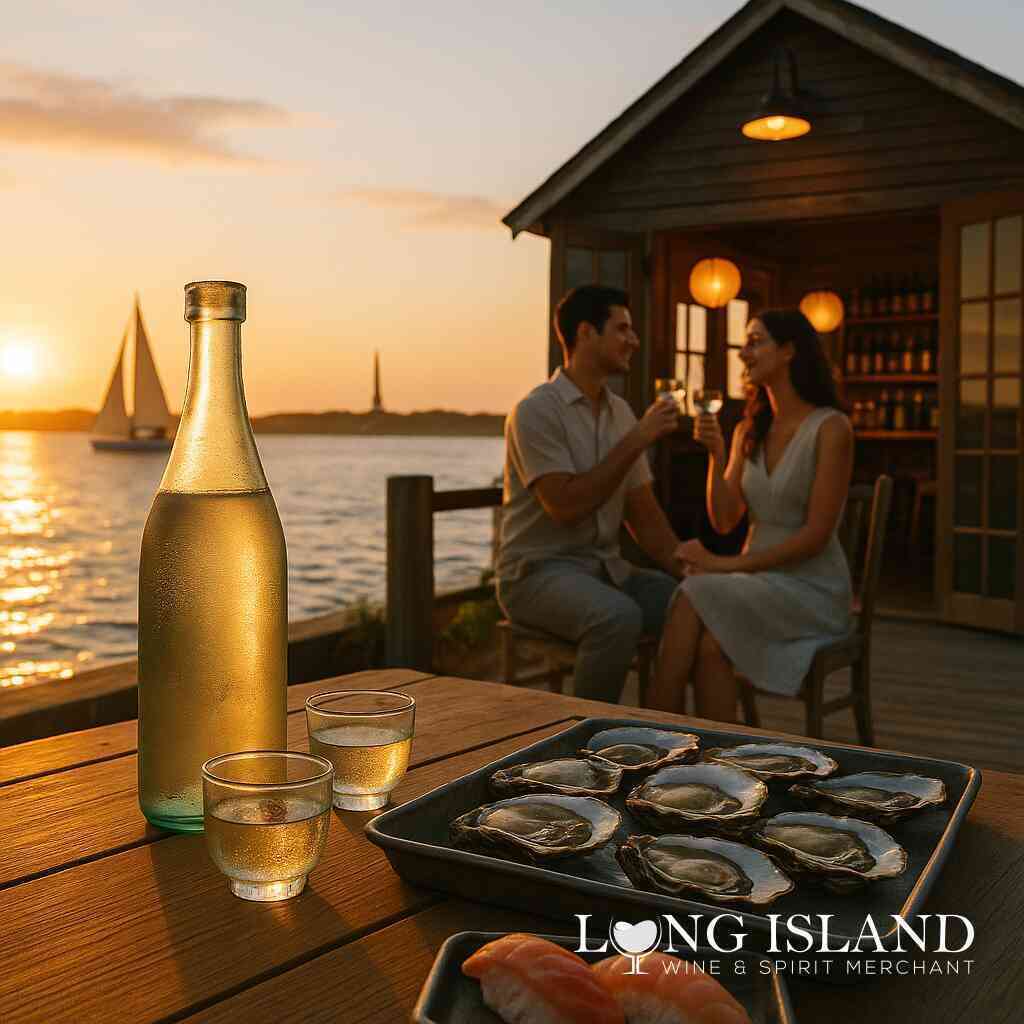
Why Sake Now Matters on Long Island
Sake entered most American conversations through sushi pairings, yet in 2026 it is driving a wider beverage shift across Nassau and Suffolk counties. Craft bars, boutique bottle shops, and digital delivery services all report rising curiosity for rice-based drinks. This overview examines the key forces behind that momentum and what they mean for consumers, restaurateurs, and retailers.
1. Craft Sake Bars Redefine Social Nights
Walk into downtown Huntington on a Friday and you are as likely to hear a bartender discuss "polishing ratios" as you are to see a draft IPA being poured. Dedicated sake bars now anchor weekend plans for groups who once defaulted to vodka sodas or pale ales. A few trends stand out:
- Terroir conversations go mainstream. Guests compare water sources in Niigata to soil composition in Yamagata with the same intensity usually reserved for cabernet.
- Hybrid menus broaden appeal. Small plates like sake-glazed short ribs, miso-butter clams, or even local duck sliders help first-timers explore flavor bridges between East and West.
- Social media accelerates discovery. Photos of elegant tokkuri sets and frosted nigori cocktails turn unfamiliar labels into recognizable favorites within days, not months.
The result is a more confident consumer base willing to experiment beyond the same safe order.
2. Premium Junmai Daiginjo Wins Over Wine Collectors
Collectors who once chased only first-growth Bordeaux or cult Napa cabernet are now reserving cellar space for junmai daiginjo. Several factors explain the crossover:
- Shared craftsmanship values. Highly polished rice, precise temperature control, and limited releases mirror techniques admired in high-end winemaking.
- Restaurant validation. Upscale North Fork dining rooms quietly replaced Champagne pairings with chilled daiginjo for dishes like fluke crudo or Peconic Bay scallops, offering tangible proof of versatility.
- Allocation scarcity. Small production runs generate waitlists that feel familiar to Burgundy hunters, nudging collectors to secure bottles the moment they appear online.
For retailers, treating junmai daiginjo with the same reverence shown to grand cru wine—complete with detailed tasting notes and storage guidance—builds credibility and lifts average basket values.
3. Cloudy Nigori Captures the Adventurous Palate
Nigori, once a niche style, has moved from curiosity to core shelf placement. Its appeal lies in texture and authenticity:
- Creamy mouthfeel. The suspended rice lees give a silky weight that resonates with fans of milk stout, dessert wine, or even oat-milk lattes.
- Visual theater. Opaque pastel cocktails glow under LED bar lighting, feeding an Instagram-driven quest for photogenic pours.
- Minimal processing narrative. Drinkers gravitating toward unfiltered beers or natural wines appreciate that nigori offers a direct connection to fermentation.
Bars are now spinning frozen nigori and passion-fruit slushes, while home enthusiasts bundle cloudy bottles with amaro or vermouth to craft novel low-ABV spritzes.
4. Education Turns Curiosity Into Commitment
Trends fade without understanding. Long Island’s most successful programs provide structured yet approachable education:
- Flight tastings. Side-by-side serves of junmai, ginjo, and koshu help guests internalize flavor differences.
- Aroma wheels and pairing games. Matching scents to citrus, melon, or mushroom descriptors solidifies vocabulary.
- Local ingredient pairings. Comparing a junmai with Montauk oysters versus aged Gouda from Riverhead shows how acidity and umami interact.
When patrons leave armed with practical tasting notes rather than vague impressions, they purchase bottles with confidence—and share what they learned.
5. Digital Convenience Closes the Loop
For many households, online ordering now replaces weekend liquor runs. A robust digital catalog accelerates sake adoption because it removes three long-standing barriers:
- Selection width. Small suburban shops rarely stock more than two labels. Online inventories carry dozens, sorted by prefecture, milling percentage, or dryness scale.
- Non-intimidating navigation. Instead of decoding untranslated kanji, shoppers filter by descriptors like "pear aroma" or "soft finish".
- Secure delivery. Age-verified drop-offs extend specialty access from Montauk to Mineola, even during busy workweeks or winter storms.
By mirroring an in-person tasting room—complete with clear product images, serving temperature tips, and quick pairing guides—digital platforms reinforce the educational groundwork laid in physical spaces.
Practical Takeaways for 2026
• Restaurants: Consider adding a concise two-sake pairing option alongside the traditional wine list. Diners are increasingly willing to substitute Champagne or Pinot Noir for chilled daiginjo when suggested by informed staff.
• Retailers: Organize shelves by style (junmai, nigori, koshu) rather than country of origin alone. Clear signage about polishing ratios and flavor profiles lowers intimidation and invites trial.
• Consumers: If you are new to sake, start with a flight. Sample a light junmai ginjo chilled, then a room-temperature junmai, and finish with a small pour of aged koshu to experience the spectrum. Note which texture and aroma combinations resonate most, and let that guide future purchases.
• Event planners: Sake-themed experiences—such as a nigori cocktail station at weddings or a daiginjo toast during milestone celebrations—offer novelty without sacrificing elegance.
Looking Ahead
All evidence points toward further integration of sake into Long Island’s broader beverage identity. Producers continue experimenting with lower-alcohol styles, sparkling versions, and barrel-aged expressions that could appeal to cider and whiskey fans. Meanwhile, local breweries dabbling in small-batch sake projects hint at a hyper-regional movement on the horizon.
For now, the message is simple: sake is no longer a specialized sidebar. It has earned a permanent seat at the table, bar, and backyard gathering. Whether your interest lies in refined daiginjo or playful nigori cocktails, 2026 presents more opportunities than ever to explore rice wine culture without leaving the Island.
Examining the Impact of Sake Trends on Long Island 2026


Comments
Post a Comment