Rosé Wine on Long Island: Terroir, Trends, and Tasting Tips
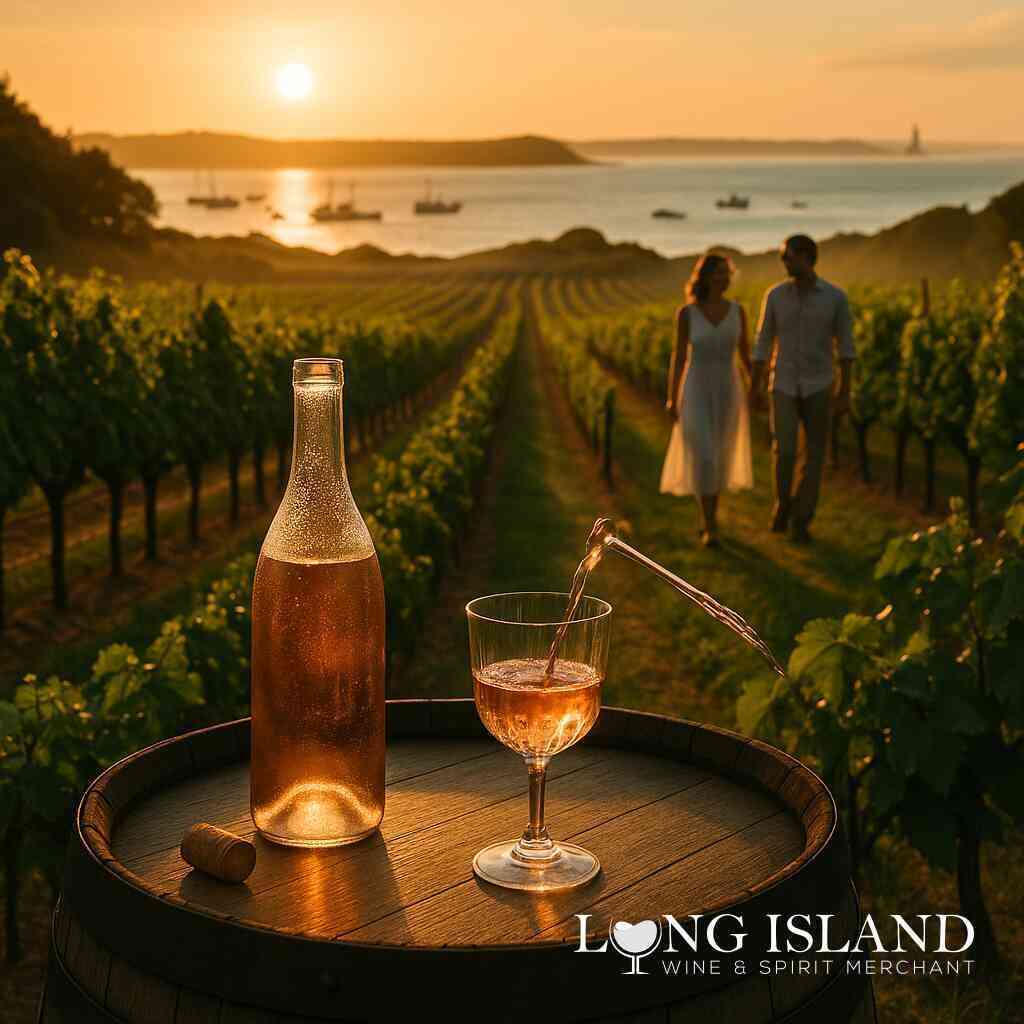
A New Chapter for Pink Wine
Long Island now ranks among the most intriguing regions for domestic rosé. Small distances separate Peconic Bay, the Long Island Sound, and the Atlantic, creating a patchwork of micro-climates that give local bottlings a distinct salty snap. This overview explores how geography, farming, and modern hospitality have combined to shape the island’s signature blush style.
The North Fork: Mineral-Driven Elegance
Gravelly loam mixed with beach sand defines much of the North Fork. These quick-draining soils keep vine vigor in check and force roots to dig deep for water. The result is fruit with moderate sugar, bright acid, and a subtle stony edge.
Key sensory traits often mentioned in tasting rooms:
- Candied watermelon aromas that stay light on the palate
- Fresh strawberry framed by white-flower lift
- A gentle saline finish that echoes the nearby shoreline
Because vineyards sit only a few miles apart, a shift toward the Sound can lengthen the growing season by several days. Grapes harvested there tend to show deeper color and a faint herbal shadow from thicker skins, while plots closer to the bay yield paler, citrus-forward expressions. The contrasting styles make “terroir flights” popular for visitors who want to experience the impact of place in a single sitting.
The Hamptons: Rosé as a Lifestyle Signal
On the South Fork, rosé is as much about atmosphere as viticulture. Pale salmon bottlings splash across pool decks, yacht clubs, and sandy patios. A lighter free-run juice approach keeps color almost transparent—perfect for the icy bucket shots that dominate social feeds.
Producers here lean into design: tall fluted bottles, soft cork closures, and limited-edition magnums built for group photos. The strategy works because it merges vacation memories with local agriculture. For many travelers, that first beach-side glass becomes the gateway that motivates deeper exploration of the region’s farming heritage.
Climate and Soil: Twin Pillars of Character
Long Island’s narrow landmass lets ocean and sound breezes sweep across vine rows from sunrise to dusk. Benefits include:
- Lower mildew pressure, reducing the need for aggressive fungicides
- Slower sugar accumulation, which keeps final alcohol moderate
- Night-time salt spray that leaves trace minerals on berry skins, later perceived as a savory edge in finished wines
Under the topsoil, alternating bands of glacial gravel and sandy clay store just enough moisture to prevent drought stress while ensuring quick runoff during heavy summer storms. This steady, mild stress level concentrates flavor without pushing grapes toward jamminess.
Farming for Freshness: Sustainable Choices
Many growers embrace low-impact practices that suit the region’s modest rainfall and constant air flow.
- Cover crops: Rye and clover between rows suppress weeds and add organic matter back to the soil.
- Leaf pulling: Selective removal around the fruit zone improves sunlight penetration yet maintains enough shade to avoid sunburn, preserving the pale hue prized in modern rosé.
- Gentle press cycles: Whole clusters receive light pressure to limit phenolic pickup, which would otherwise darken color and add bitterness.
- Native yeast fermentations: Increasingly common among boutique cellars, spontaneous ferments highlight subtle site differences and reinforce the “farm-to-glass” ethos.
These steps resonate with visitors who care about transparency and environmental impact. Tasting staff frequently share data on spray reductions or composting programs, elevating the perception of regional stewardship.
How to Taste Like a Local
Even if you cannot stand among the vines, you can adopt the same mindset Long Islanders use during harvest season:
- Chill lightly, not ice-cold. Ideal service sits near 50–55 °F. Too much cold locks up the seaside aromatics that set these wines apart.
- Use a standard white-wine glass. The larger bowl encourages oxygen exposure, letting delicate florals unfurl.
- Pair with briny fare. Raw oysters, salt-sprinkled tomato salad, or grilled striped bass mirror the wine’s natural saline edge.
- Taste two vineyards side by side. Notice how a mere mile of distance can shift color depth or fruit profile.
- Take notes on texture. Many East End bottlings rely on lees contact for weight instead of sugar. Pay attention to the creamy mid-palate that balances crunchy acidity.
The Role of E-Commerce in Regional Growth
Ten years ago, carrying bottles home from a weekend escape felt obligatory. Today, temperature-controlled shipping and streamlined checkout make it simpler to order directly once you discover a favorite label. Curated bundles that mimic winery flights are popular, allowing buyers to test soil and clone differences without exceeding airline luggage limits. For local hosts, same-day delivery services bridge the gap between farm stand provisions and chilled rosé, turning any weekday meal into a mini staycation.
What to Watch in 2026
- Cabernet Franc Rosé continues to gain ground, valued for its spicy profile and ability to maintain color stability without additives.
- Pet-Nat Pink offerings are multiplying, giving effervescent options for casual decks and brunch tables.
- Hybrid Grape Experiments such as Seyval Blanc blended into merlot free-run juice aim to boost acidity naturally as summers warm.
- Regenerative Growing Trials are underway at several estates, testing no-till protocols and sheep grazing for weed control.
Final Thoughts
Long Island’s rosé scene succeeds because it marries serious viticulture with breezy coastal enjoyment. Gravelly soils provide mineral backbone, maritime winds lock in freshness, and savvy hospitality teams translate those facts into stories the modern drinker can taste. Whether you favor the North Fork’s crisp, stone-tinged styles or the Hamptons’ photo-ready pale hues, a deeper exploration reveals an agricultural community constantly refining its craft. In a world where light, vibrant wines increasingly define warm-weather tables, Long Island’s blush bottles have earned a permanent place in the conversation.
Exploring the Evolution of Rosé Wine on Long Island


Comments
Post a Comment