Organic Wine Trends: Long Island Insights & Eco Favorites
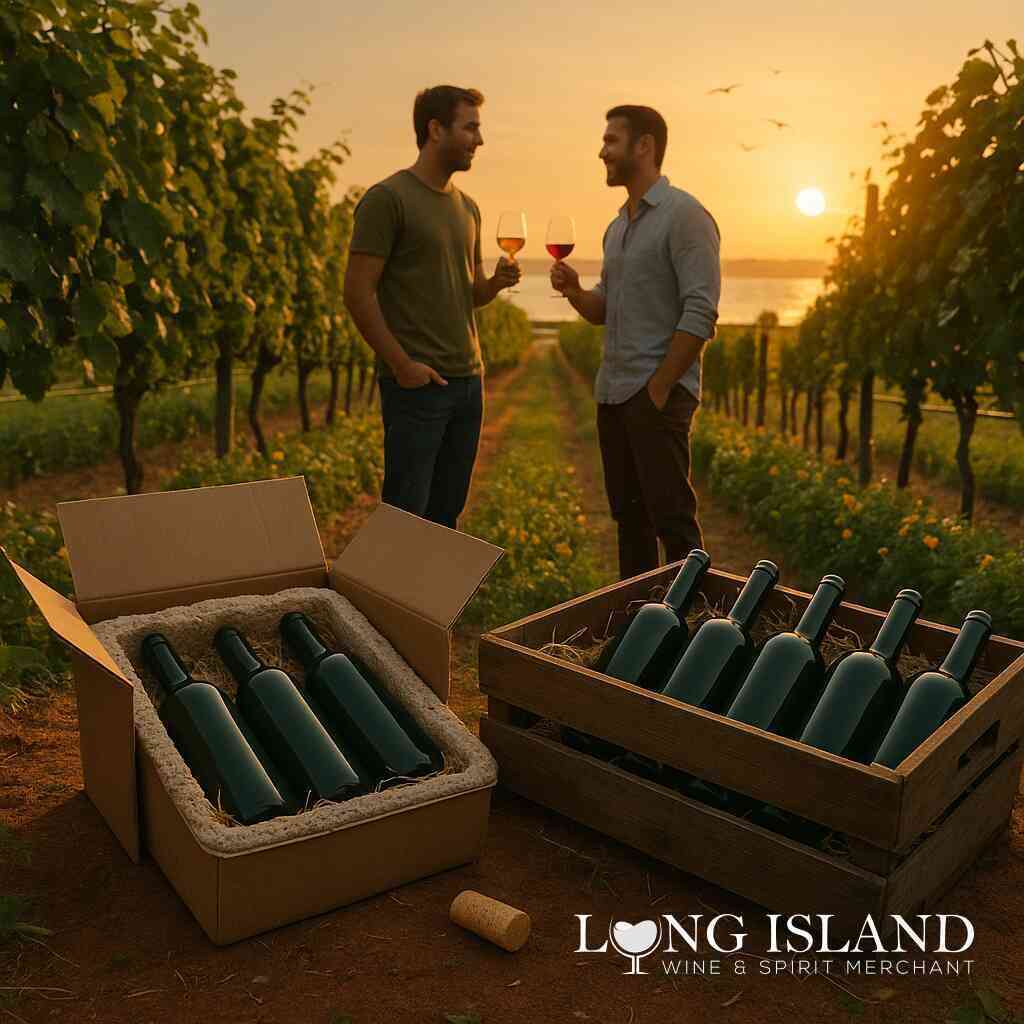
Why Organic Wine Matters in 2026
Consumers have moved far beyond checking the back label for alcohol percentage. Today’s drinkers want to understand how the grapes were grown, how the soil was treated, and even how the finished bottle traveled from vineyard to glass. Organic wine answers those concerns with farming that eliminates synthetic pesticides and chemical fertilizers, resulting in cleaner fruit and a lighter footprint on the planet.
Long Island Liquor Store in Commack has watched that shift first-hand. Shelves that once held only a handful of niche producers now feature entire rows devoted to organic, biodynamic, and natural selections. Thanks to temperature-controlled shipping, those same bottles reach doorsteps nationwide without compromising freshness, so the trend is no longer limited to the East End tasting rooms.
From Farm to Glass: Defining the Key Terms
Understanding the language can feel daunting, yet three core categories cover most of the eco-wine conversation:
- Certified Organic – Grapes are grown without synthetic chemicals, vineyards follow strict record-keeping, and third-party auditors verify compliance. In the cellar, approved additives are minimal and sulfites are tightly restricted.
- Biodynamic – Builds on organic rules but treats the vineyard as a complete ecosystem. Growers follow lunar and seasonal calendars, apply special compost “preparations,” and encourage biodiversity through cover crops and wildlife corridors.
- Natural – A stylistic rather than legal term. Winemakers intervene as little as possible after harvest, often using native yeasts, neutral aging vessels, and very low sulfur. Results can be wildly expressive—think cloudy orange wine or a red with gentle spritz.
Knowing these definitions helps shoppers match personal values with flavor expectations. Long Island Liquor Store team members walk customers through the nuances every day, explaining why a biodynamic merlot might taste earthier or why a natural pét-nat arrives with a crown cap instead of a cork.
2026 Trend Watch: What’s Filling Glasses Now
- Regenerative Agriculture Reds
Many Long Island growers now emphasize soil health over simple yield. Compost teas, sheep mowing between rows, and deep-rooted cover crops boost microbial activity and water retention. Merlot and cabernet franc from these parcels show richer mid-palates and brighter acidity without extra additives. - Dry-Farmed Syrah
By ditching irrigation, farmers push roots deeper, capturing subtle mineral notes. The resulting syrah offers pepper, lavender, and a savory finish that frames local oysters or grass-fed steak beautifully. - Low-Sulfite Cabernet
Advances in hygiene and quick, chilled harvesting allow producers to slash sulfur additions. Drinkers report fewer “day-after” sensitivities and a clearer sense of place in each glass. - Vegan-Friendly Whites
Plant-based diets are rising, so fining agents derived from peas or potatoes replace traditional egg whites. A coastal chardonnay can keep its glossy texture while appealing to vegan guests. - Orange and Amber Wines
Extended skin contact on white grapes delivers glowing hues and gentle tannin. Long Island malvasia and pinot grigio versions are gaining traction for food-pairing versatility.
How Long Island Liquor Store Brings It All Together
The Commack location makes sustainability feel effortless:
- Curated Shelving – Organic rosé sits beside natural pét-nat and biodynamic syrah, encouraging discovery by color rather than strict category.
- Interactive Taste Quiz – A short questionnaire links palate preferences to recommended bottles, filtering specifically for organic or low-sulfite options.
- Eco-Smart Packaging – Recycled cardboard shippers and reusable wooden gift boxes cut down on single-use plastic. Bottle engraving turns a clean-label champagne into a memorable, waste-free present.
- Temperature-Controlled Delivery – Whether shipping to Arizona in July or Maine in January, insulated liners and cold packs protect delicate aromatics.
- In-Store Education – Casual Saturday tastings focus on topics like “Vegan Whites Under $25” or “Regenerative Reds of the North Fork,” giving newcomers a low-pressure way to learn.
Practical Tips for Choosing an Organic Bottle
- Read the Fine Print
USDA Organic or Certified Organic on the back label indicates compliance. “Made with Organic Grapes” means vineyard practices meet the standard, but cellar additives beyond sulfites may vary. - Ask About Vintage Variation
Organic vineyards rely on natural methods to combat pests, so weather swings show up more vividly. Staff insight can steer you toward years that excel. - Watch the Sulfite Level
Sensitive to sulfur? Look for “No Added Sulfites” or totals under 75 ppm. Keep in mind that completely sulfite-free bottles demand cooler storage once you get them home. - Pair by Weight, Not Just Color
A skin-contact pinot gris can behave like a light red, matching charcuterie or roasted squash. Likewise, an unoaked organic cabernet may handle seared tuna better than expected. - Buy Two Bottles If You Can
Natural wines evolve quickly after opening. Enjoy one fresh, then revisit the second a few months later to appreciate the living nature of the style.
Serving and Storing for Maximum Freshness
Organic producers work hard to preserve nuance; a few small steps maintain that effort:
- Chill whites and rosés to 45 °F, then let them warm slightly in the glass.
- For low-sulfite reds, aim for 60-65 °F rather than room temperature; excess heat can accelerate oxidation.
- Use a vacuum pump or inert gas on open bottles. Even minimal oxygen protection can extend life by a day or two.
- Keep cases away from kitchen light and vibration. A cool basement corner or dedicated wine fridge delivers the most stable environment.
The Takeaway
Organic, biodynamic, and natural wines are no longer fringe curiosities. They represent a rapidly expanding slice of the market fueled by health awareness, climate concerns, and a search for authentic flavor. Long Island’s growers and retailers are uniquely positioned to lead that conversation, blending maritime terroir with forward-thinking viticulture.
Whether you visit the Commack store in person or rely on its nationwide delivery, the path to a sustainable pour is clearer than ever. Explore regenerative merlot, low-sulfite cabernet, or an adventurous orange wine—each bottle tells a story of soil, season, and responsible stewardship. Cheers to drinking better for both palate and planet.
Organic Wine Trends with Long Island Liquor Store Insights


Comments
Post a Comment