Organic Long Island Wine: Terroir, Climate, and 2026 Trends
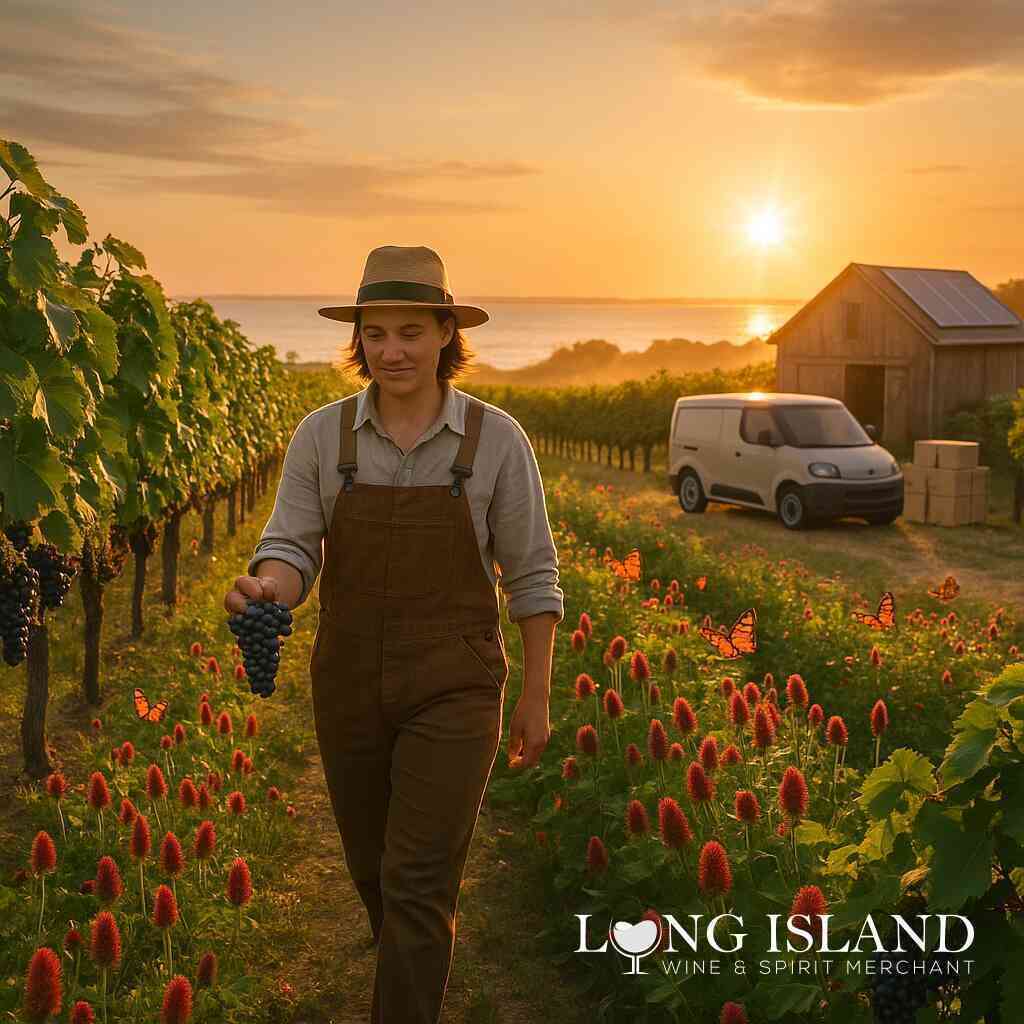
Why Long Island Is Suddenly on Every Organic Wine List
Maritime breezes, sandy loam, and a tight-knit community of growers have turned Long Island into one of the most closely watched organic wine regions in the United States. This overview explores how local vineyards moved from conventional sprays to living soils, why the shift matters for flavor and ecology, and what to look for when you open a Long Island bottle in 2026.
The Sandbar Advantage: Geography That Begs for Organics
Long Island sits on a long, narrow sandbar that juts into the Atlantic. Ocean winds cool hot afternoons and dry dew-soaked leaves before mildew can take hold. That natural ventilation, paired with well-drained sandy loam, creates an environment where vines can thrive without heavy chemical inputs. Growers now see the peninsula itself—not lab-made fungicides—as their first line of defense.
Key Environmental Benefits
- Less standing moisture reduces disease pressure naturally.
- Sandy soils warm quickly in spring, limiting frost risk.
- Sea fog deposits trace minerals that translate to saline acidity in finished wines.
The result is a terroir that rewards organic discipline with distinctive flavors: beach plum in cabernet franc, crushed shell in chardonnay, and a telltale snap of sea spray in sparkling wines.
From Synthetic Sprays to Compost Teas
Ten years ago many local estates relied on systemic fungicides to fight downy mildew. Today a growing number brew on-site compost teas rich in beneficial microbes that outcompete pathogens. Spraying those teas every two weeks builds a protective film without leaving chemical residue.
Viticulturists also plant mixed cover crops—crimson clover, vetch, and rye—between rows. These covers:
- Add organic matter that holds water through dry spells.
- Fix atmospheric nitrogen, cutting fertilizer bills.
- Attract predatory insects that keep leafhoppers in check.
Every step in the process supports the next, creating a self-reinforcing loop that makes synthetic “rescue” products obsolete.
Climate-Smart Cabernet Franc and Merlot
The North Fork, the narrower of the island’s two wine corridors, benefits from cool nights even during mid-summer heatwaves. Vines are spaced wider than in the past to keep canopies airy. That design, plus ocean airflow, allows sensitive varieties such as cabernet franc and merlot to ripen slowly without sunburn or botrytis.
Growers graft onto rootstocks selected for salt tolerance and drought resilience—an insurance policy as weather swings widen. In the cellar, most winemakers now favor native fermentations in neutral oak, letting fruit purity shine. The 2024 and 2025 vintages already show higher natural acidity and more precise red-berry notes than wines made under heavy irrigation a decade ago.
Biodiversity Corridors: Nature as Pest Control
Organic certification requires more than skipping pesticides; it asks farms to protect surrounding ecosystems. Many Long Island estates now dedicate at least 5 % of planted land to biodiversity corridors where native milkweed, switchgrass, and goldenrod grow unchecked. Benefits include:
- Pollinator support: Bees and butterflies recycle nutrients and improve vine fruit-set.
- Predator habitat: Owls, kestrels, and bats feed on rodents and insects that might otherwise damage grapes.
- Runoff buffers: Dense roots capture nitrogen before it can leach into Long Island Sound.
Visitors often join guided walks through these wild strips before tasting, turning a glass of wine into a lesson on coastal ecology.
Tech Transparency Fuels Consumer Trust
Buying direct from a tasting room is inspiring, yet many enthusiasts now prefer to order organic wine online. Long Island wineries meet that demand by publishing real-time data:
- Spray logs listing every organic material used.
- Soil-health dashboards that track carbon and microbial diversity.
- Independent lab reports on sulfite levels and heavy-metal tests.
For shoppers, this transparency removes guesswork. For growers, it creates instant feedback: if a release with minimal sulfur sells out in hours, that success reinforces the low-intervention approach.
Tasting Guide: What Distinguishes Long Island Organics
- Saline Edge: A subtle, mouth-watering saltiness that complements seafood.
- Beach Plum & Wild Herb: Especially vivid in cabernet franc grown near Peconic Bay.
- Bright, Coastal Acidity: Higher natural acids lengthen the finish and lift fruit flavors.
- Low-Oak Signature: Most estates use older barrels or concrete eggs, keeping wood tones in the background.
When you pour, serve reds around 60 °F and whites at 50 °F to highlight that maritime freshness.
Practical Tips for Exploring the Region in 2026
- Plan midweek visits if you want deep conversations with growers; weekends can be crowded.
- Check certification labels: USDA Organic, Demeter Biodynamic, or Certified Sustainable New York. Each signals slightly different practices.
- Compare vintages: 2024 was cool and nervy; 2025 saw longer hang time and softer tannins. Early notes on 2026 suggest a balanced year with intense aromatics.
- Pair locally: Oysters from Peconic Bay or North Fork duck mirror the wines’ salty-sweet balance.
The Road Ahead: Regeneration Over Mere Sustainability
Sustainability maintains the status quo; regeneration improves it. Long Island growers now measure success not only by grape quality but by rising earthworm counts, thicker understory roots, and the return of osprey to nest boxes. This regenerative mindset positions the region as a template for other humid coastal zones seeking chemical-free viticulture.
By letting vines partner with soil microbes and predatory insects, Long Island estates bottle more than cabernet franc or chardonnay—they bottle functioning ecosystems. That authenticity resonates with drinkers who value both flavor and environmental stewardship.
Final Thought
Organic wine on Long Island is no longer a niche experiment. It is the defining feature of a maturing region, where every breeze, microbe, and cover crop leaf imprints the final glass. Whether you uncork a briny chenin blanc or a pepper-laced merlot, you hold a snapshot of a living shoreline—one that is healthier today because growers chose regeneration over chemistry. Cheers to a coast reborn, and to the vintners who keep listening to their sandbar.
Exploring the Role of Organic Wines on Long Island 2026


Comments
Post a Comment