NYC Mixology Unleashed: Online Spirits via Liquor Store Open
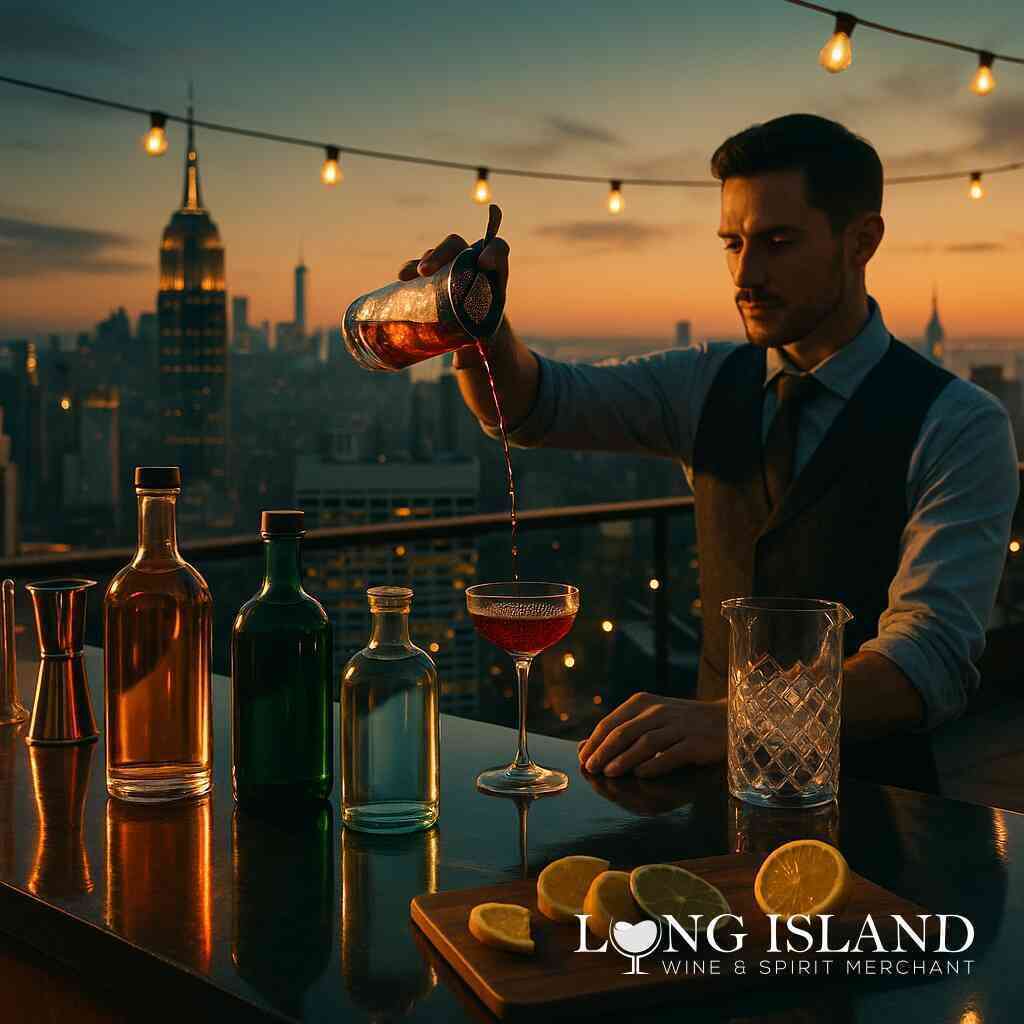
New York City never sleeps, and neither does its cocktail imagination. From glossy rooftop lounges in Midtown to tucked-away speakeasies in Bushwick, bartenders constantly chase the next flavor story. One force now drives that momentum more than any single bar program: the ability to order almost any bottle, at any hour, through the digital storefront of Liquor Store Open. This overview looks at how that service reshapes sourcing, sparks fresh trends, and even helps home hosts mix like professionals.
Why a Digital Liquor Marketplace Matters in 2026
Every bartender knows the pain of discovering an empty mezcal shelf just before service. Traditional restocking often meant racing across town, waiting for brick-and-mortar shops to open, or accepting a substitute brand. By contrast, a platform that lists thousands of spirits and delivers on demand turns procurement from a chore into a creative step. Key advantages include:
- Round-the-clock ordering: Teams adjust par levels after closing, place an order on a tablet, and start the next shift fully stocked.
- Range without geography limits: A Crown Heights bar can grab a Japanese rice vodka as easily as a Midtown steakhouse orders single-barrel bourbon. Regional exclusivity fades, encouraging diverse menus across boroughs.
- Transparent comparison: Pricing, size formats, and tasting notes sit on one screen, cutting the research phase that once involved multiple distributors.
- Direct-to-door reliability: Fast shipping from the Commack warehouse gives Long Island and city venues confidence that a replacement bottle arrives before the weekend rush.
The Impact on Working Bartenders
Speed and variety are useful only if they translate to better guest experiences. In practice, they do:
- Shorter R&D cycles – A bar team can prototype a clarified jungle bird on Monday, receive an obscure overproof rum by Wednesday, and debut the finished drink on Friday. Faster feedback means menus stay fresh and patrons return.
- Lower carrying cost – Managers order smaller, targeted quantities instead of tying up capital in surplus cases. Because restock is quick, they can explore niche modifiers (think gentian liqueur or Scandinavian aquavit) without long-term risk.
- Staff education – Detailed product pages function like mini masterclasses. Line bartenders read about production methods or regional terroir while they build specs, elevating service narratives.
Home Enthusiasts Join the Conversation
The mixology boom is no longer an industry-only pursuit. Apartment dwellers now build back-bar collections once limited to cocktail bars. Liquor Store Open supports that shift through:
- Curated search filters that sort by spirit type, price range, or country of origin.
- Gift-ready packaging such as engraved bottles and tasting flights, perfect for birthdays or housewarmings.
- Educational touchpoints like flavor quizzes that recommend vermouth styles or agave expressions matched to personal taste.
The result is a democratic cocktail culture where an Upper West Side dinner host can shake a mezcal martini with the same brand a Lower East Side speakeasy pours.
Mapping 2026 Flavor Currents Across the City
Digital access shapes what ends up in the glass. Current stand-outs include:
1. Agave Takes Manhattan
Premium tequila and mezcal stay in high demand, but the newest wave is sotol—an earthy spirit from northern Mexico. Mixologists stir it with sweet vermouth and chocolate bitters for smoky takes on a classic Manhattan.
2. Low-ABV, High Character
Sessionable spritzes leverage artisanal vermouth and domestic amaro. Because the marketplace carries dozens of small-batch options, bars can rotate producers weekly, keeping calorie-conscious guests engaged.
3. Atlantic-Coast Gin
Long Island craft distilleries now compete head-to-head with British stalwarts. Their briny, kelp-infused gins pair naturally with oysters, and rapid regional delivery places them behind city bars within hours of bottling.
4. Rum Renaissance
Rye and bourbon remain staples, yet molasses-based spirits reclaim attention. Limited-release pot-still rums sourced through Liquor Store Open anchor daiquiris that feature clarified citrus and sea-salt foam.
Building a Forward-Thinking Back Bar
Whether you operate a busy venue or a studio apartment bar cart, a few guidelines help make the most of on-demand spirits.
- Start with versatile workhorses. Keep a soft-proof bourbon, a London-dry style gin, a grassy pot-still rum, blanco tequila, and blended Scotch. These cover 80 percent of classic specs.
- Add one conversation piece per month. Maybe a rhum agricole from Martinique or a peach eau-de-vie. Rotating novelties sustain guest curiosity without overwhelming storage.
- Invest in quality modifiers. Vermouth, aperitivo wines, and cordials spoil faster than base spirits. Use smaller bottles and order more frequently to ensure freshness.
- Respect seasonal produce. Fast alcohol delivery solves the bottle problem, but garnish integrity still relies on daily farmers-market runs.
Sustainability and Responsible Ordering
Convenience must coexist with accountability. Leading bars now schedule bulk orders on shared delivery windows to reduce carbon emissions. They also choose brands committed to fair-trade sourcing and eco-friendly packaging. Home buyers can follow suit by bundling multiple bottles in one drop and recycling shipping materials.
The Road Ahead
Technology rarely slows down in New York, and neither will its drinking culture. Expect to see more AI-driven inventory recommendations, real-time analytics that link POS data to restocking pipelines, and virtual tasting events that allow Brooklyn bartenders to evaluate Cognac producers live from France. The backbone, however, remains simple: when creators can access the right bottles quickly, ideas flow and the city stays thirsty.
Liquor Store Open, anchored on Long Island but connected to every borough, illustrates how a well-built digital marketplace moves the entire scene forward. For professionals, it trims hours off procurement. For hobbyists, it breaks down the intimidating barrier of specialty bottle hunting. For everyone who loves a balanced drink, it ensures the next round—whatever the flavor profile—is only a few taps away.
Understanding New York's Mixology Scene with Liquor Store Open


Comments
Post a Comment