Mastering Spirit Pairing in Commack | Long Island Guide
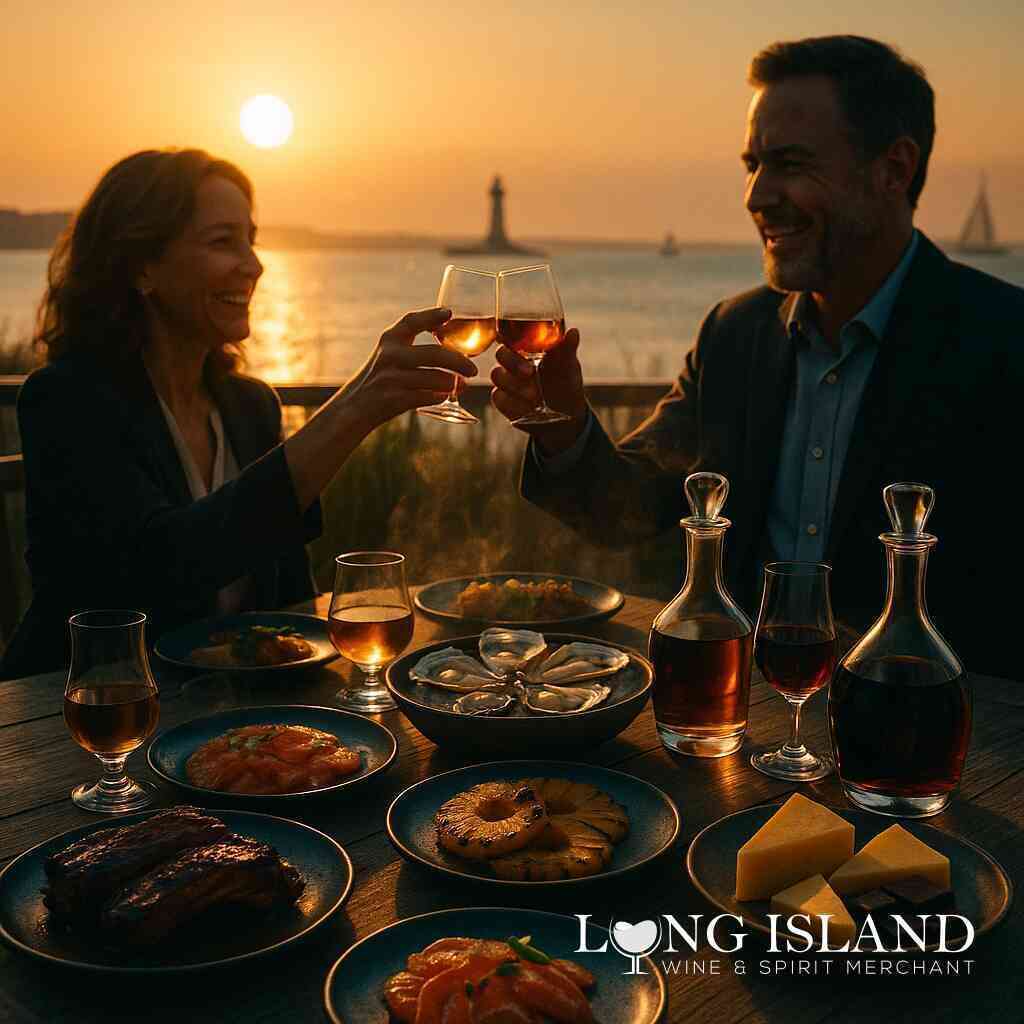
Opening a Commack Flavor Map
Long Island Liquor Store in Commack carries hundreds of bottles that span cornfields in Kentucky, volcanic agave slopes in Jalisco, and windswept Scottish isles. That variety is exciting, but it can also feel endless when the goal is to choose the right spirit for tonight’s seafood, barbecue, or cheese board. This guide lays out clear, practical steps for matching flavors so that every pour supports the meal instead of fighting it.
Why Pairing Matters
Perfect pairings do more than taste good. They turn dinner into a complete sensory experience:
- Balance – Well-matched intensity keeps neither food nor drink in the shadows.
- Texture – Spirits with the right weight refresh the palate between bites.
- Story – Regional combinations connect Commack tables to global traditions, from Caribbean rum and pineapple to Highland Scotch and sharp cheddar.
- Mindful enjoyment – When each sip has a role, people naturally slow down and savor.
The Three Core Pillars
1. Match Intensity First
Start by looking at the strength of both the dish and the spirit.
- Delicate foods (raw oysters, poached fish, fresh mozzarella) pair best with light or mid-weight pours: dry gin, blanco tequila, young rye.
- Medium dishes (roast chicken, sautéed mushrooms) welcome aged rum, Irish whiskey, or soft wheat bourbon.
- Bold plates (smoked brisket, blue cheese burgers) call for cask-strength bourbon, peaty Scotch, or dark overproof rum.
A simple rule of thumb: if the dish can fill a room with aroma, choose a spirit that can do the same in the glass.
2. Use Sweetness as a Safety Net
A touch of residual sugar smooths edges and calms spice. That makes lightly sweet styles the dependable choice for fiery or salty food.
- Jerk chicken loves medium-sweet Caribbean rum.
- Spicy tuna sushi sings next to off-dry Japanese whisky finished in rum casks.
- Prosciutto or Manchego benefits from the honeyed note of Speyside Scotch.
3. Respect Texture
Mouthfeel is easy to overlook but critical for harmony.
- Creamy sauces – Partner with round, silky spirits such as wheat vodka, brandy, or añejo tequila.
- Crispy fried food – Cut grease with high-toned, slightly bitter gin or a fizzy highball built on blended Scotch.
- Char and smoke – Echo those flavors with American single malt or mezcal, then add a squeeze of citrus for lift.
A Quick Tasting Grid
Below is a streamlined grid locals often tape inside a cabinet door. Use it to visualize overlaps before opening a bottle.
| Category | Key Aromas | Body | Typical Finish |
|---|---|---|---|
| London Dry Gin | Juniper, citrus, pepper | Light | Clean, herbal |
| Caribbean Rum (Dark) | Molasses, banana, spice | Full | Lingering sweet oak |
| Bourbon | Vanilla, caramel, oak | Medium-full | Warm baking spice |
| Single Malt Scotch (Islay) | Smoke, sea salt, iodine | Medium | Dry, earthy peat |
| Añejo Tequila | Roasted agave, toffee, cocoa | Medium | Long, subtle spice |
| Irish Whiskey | Honey, cereal, apple | Light-medium | Soft, malty |
Compare the body column to the weight of the dish, then scan the aroma row for complementary or contrasting flavors.
Commack Pairing Playbook
Local Seafood & Gin
Long Island clams or Montauk fluke carry subtle sweetness. A floral gin and a squeeze of lemon heighten ocean freshness without masking it. For an easy pour, build a 2:1 gin and elderflower tonic highball, garnish with cucumber.
BBQ Ribs & High-Proof Bourbon
The caramelized crust on smoked ribs echoes the charred oak in a sturdy bourbon. High proof cuts through fat; a single large ice cube tames heat while preserving body.
Farmhouse Cheese & Cognac
Suffolk County’s soft-ripened goat cheeses love the dried-fruit depth of cognac. Serve both slightly warmer than cellar temperature to unlock nutty complexity.
Autumn Apple Pie & Añejo Tequila
Cinnamon, baked apple, and subtle agave create a dessert that feels familiar yet new. Skip extra sugar; the tequila’s natural caramel notes provide enough sweetness.
Using Technology to Refine Choices
The Long Island Wine Taste Quiz analyzes preferences for bitterness, sweetness, and adventurousness. By translating those inputs into bottle suggestions, it removes guesswork. Many Commack shoppers discover categories they once ignored: herbaceous gins, rye finished in sherry casks, or tequila aged in wine barrels.
Seasonal follow-up emails adjust picks as palates evolve. For example, an algorithm might recommend swapping a light rum mojito for a smoky mezcal paloma once cooler nights roll in. Those small nudges build confidence over time, ensuring the home bar stays versatile without bloating the budget.
Five Rapid-Fire Tips From the Floor Staff
- Taste before you pour – A tiny sip of the spirit and a small bite of the dish can reveal clashes early.
- When in doubt, drop ABV – Lower alcohol means less risk of overpowering delicate food.
- Add bubbles – Topping with soda or tonic lightens texture and lengthens the drink for slower sipping.
- Leverage citrus – A twist of lemon or lime can connect almost any spirit to seafood, salad, or fried fare.
- Temperature matters – Slightly chilled spirits heighten aroma while smoothing alcohol bite.
Building Your Personal Pairing Set-Up
- Stock three core styles: a dry gin, a medium-sweet rum, and a balanced bourbon.
- Keep a citrus mix (lemons, limes, oranges) plus basic bitters on hand for quick tweaks.
- Record successful pairings in a simple notebook. After six dinners you will have a reliable template to repeat or adjust.
Closing Thoughts
Great pairings are less about rigid rules and more about awareness. By matching intensity, monitoring sweetness, and respecting texture, Commack hosts can turn any meal into an engaging conversation starter. Long Island Liquor Store provides the raw materials; a bit of curiosity and the guidelines above transform them into memorable experiences.
Whether pouring gin beside fresh oysters or bourbon next to charred brisket, the same principle applies: let food and spirit elevate each other, and every guest will leave the table talking about flavor—not the label price.
Understanding the Art of Pairing Spirits in Commack with Long Island Liquor Store


Comments
Post a Comment