Mastering Cognac Pairing: Guide at Long Island Liquor Store
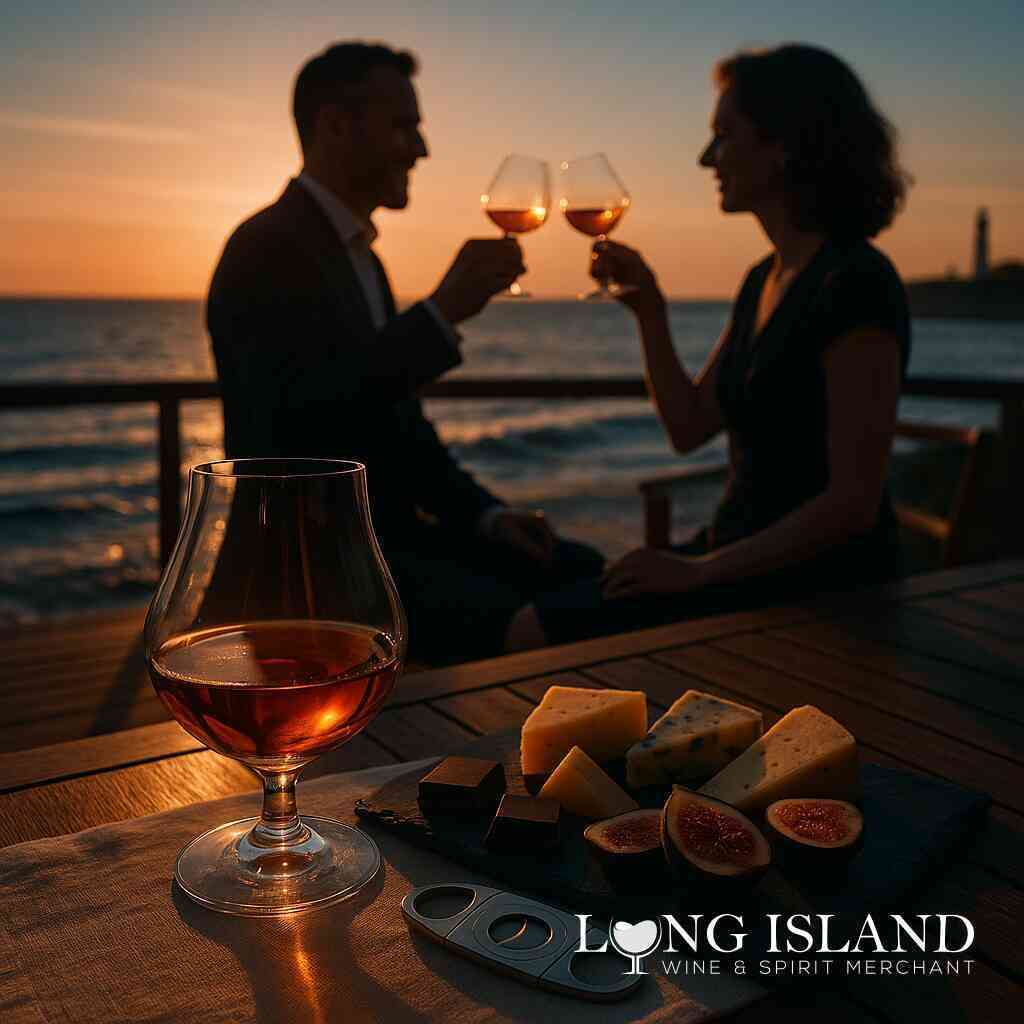
Cognac is more than an after-dinner indulgence. When matched thoughtfully with food, cigars, or even coffee, the French spirit reveals layers of fruit, spice, and floral complexity. This guide explores how the team at Long Island Liquor Store in Commack helps drinkers move from casual sipping to confident pairing, one bottle and one flavor note at a time.
Why Commack Has Become a Cognac Hub
Long Island’s North Shore may seem far from the chalky vineyards of western France, yet the two regions share a coastal climate that shapes local palates. Residents are used to brisk sea air, mineral-driven wines, and maritime cuisine. Those reference points make the nuanced aromas of Cognac feel familiar rather than exotic. By stocking both prestigious houses and small grower-distillers, the shop gives Suffolk County a convenient place to taste across that spectrum without boarding a plane.
Aisles Curated for Exploration
• Entry VS selections for classic cocktails.
• Mid-tier VSOP bottles ideal for cheese boards or casual neat pours.
• Age-worthy XO and hors d’âge expressions for collectors or milestone gifts.
Each shelf is labeled with clear tasting notes—citrus zest on a youthful VS, toasted hazelnut in a mature XO—so shoppers can picture how a bottle will behave alongside food before they buy.
Demystifying the Age Codes
• VS (Very Special) = minimum 2 years in barrel. Expect bright orchard fruit, baking spice, and a lean finish.
• VSOP (Very Superior Old Pale) = minimum 4 years. Oak integrates with dried fig, almond, and light toffee.
• XO (Extra Old) = minimum 10 years. Texture becomes velvety; notes of cigar box, dark chocolate, and candied orange linger.
Time in cask matters, but so does the blender’s skill. Staff members routinely taste new releases to be sure an older statement still shows freshness and balance.
Building Pairings That Work
Pairing Cognac starts with two questions: what dominates the spirit’s aroma, and how intense is the dish or snack? Matching weight and complementary flavors is the surest route to harmony.
Cheese and Charcuterie
• Soft triple-cream cheeses like Brillat-Savarin pair well with a young VS for a refreshing cut through fat.
• A nutty aged Gouda mirrors the butterscotch and almond of many VSOP bottles.
• Stilton or Roquefort’s salty punch finds balance in the raisin and walnut depth of XO Cognac.
Seafood and Lighter Fare
Long Island scallops, lightly seared, echo the delicate floral notes of Grande Champagne Cognacs. Add a squeeze of lemon to sync with the spirit’s natural citrus. Sushi or tuna tartare prefers a crisp VS served slightly chilled, almost like a strong white wine.
Hearty Entrées
Duck breast with cherry gastrique can handle Borderies-based Cognac, whose subtle violet and stone-fruit tones weave into the sauce. Slow-braised short ribs beg for an XO: the spirit’s rancio, leather, and baking spice hold their own against rich meat and reduced stock.
Dessert Matches
• Dark chocolate truffles reinforce cocoa tones in well-aged Cognac.
• Apple tarte Tatin highlights the spirit’s baked-fruit core.
• Crème brûlée mirrors toasted sugar aromatics in mid-aged VSOP.
Non-Food Companions
• Cigar: Look for a medium-bodied Dominican; overly heavy smokes can drown the Cognac’s nuance.
• Coffee: A medium-roast pour-over reveals dried fruit in the spirit, while espresso amplifies caramel and oak.
• After-hours conversation: Add a splash of cool water to open up an older blend’s hidden floral layers.
Cognac Versus Bourbon: When to Choose Which
Both spirits share a warm oak profile, yet their origins differ. Cognac begins as wine and is twice distilled in copper. Bourbon is grain-based, distilled once or twice, and aged in heavily charred American oak. The result:
• Cognac: jasmine, apricot, roast hazelnut, silky mouthfeel.
• Bourbon: vanilla, sweet corn, peanut brittle, assertive char.
When a dish features smoke, maple, or bacon, bourbon may shine. Delicate fruit or creamy textures lean toward Cognac’s refined edge.
Practical Buying Tips From the Long Island Team
- Set the occasion first. A house-party cocktail station only needs a bright, affordable VS. A retirement celebration deserves the nuance—and slower pacing—of XO.
- Taste where possible. In-store sample tables rotate through different styles so shoppers gain firsthand experience rather than relying on label hype.
- Consider bottle size. Half-bottles are perfect for an intimate dinner pairing, while magnums make a statement at weddings and large gatherings.
- Personalize gifts with engraving. A simple date and message transforms a treasured XO into a keepsake.
- Explore global brandy. Armagnac, Spanish Brandy de Jerez, and aged grape aguardientes expand pairing options and sharpen one’s Cognac palate by contrast.
Serving Best Practices
• Glassware: A tulip glass concentrates aroma better than a classic balloon snifter.
• Temperature: Lightly chill VS or VSOP (around 60 °F) to accentuate fruit. Serve XO at room temperature to highlight texture.
• Water: A few drops can unlock aroma molecules, especially in older Cognacs with high complexity.
• Storage: Keep upright, away from sunlight, and below 70 °F. Oxidation is minimal in high-proof spirits, yet avoiding heat preserves top-notes.
Final Thoughts
Mastering Cognac pairing is an ongoing exploration of aroma, texture, and context. The diverse inventory and guidance found at Long Island Liquor Store give Suffolk County residents—and anyone ordering online—a practical roadmap. Whether the evening calls for a bracing VS Sidecar, a thoughtfully matched cheese board with VSOP, or the slow luxury of XO beside a fireplace, understanding the basics outlined here makes every pour more rewarding.
With a bit of curiosity and the right bottle, Cognac can elevate weekday dinners, holiday feasts, and quiet nights alike. That is the quiet magic the Commack team aims to share, one tasting note at a time.
Cognac Pairing Mastery with Long Island Liquor Store


Comments
Post a Comment