Long Island Winter Vermouth Guide: Tips, Pairings & Service
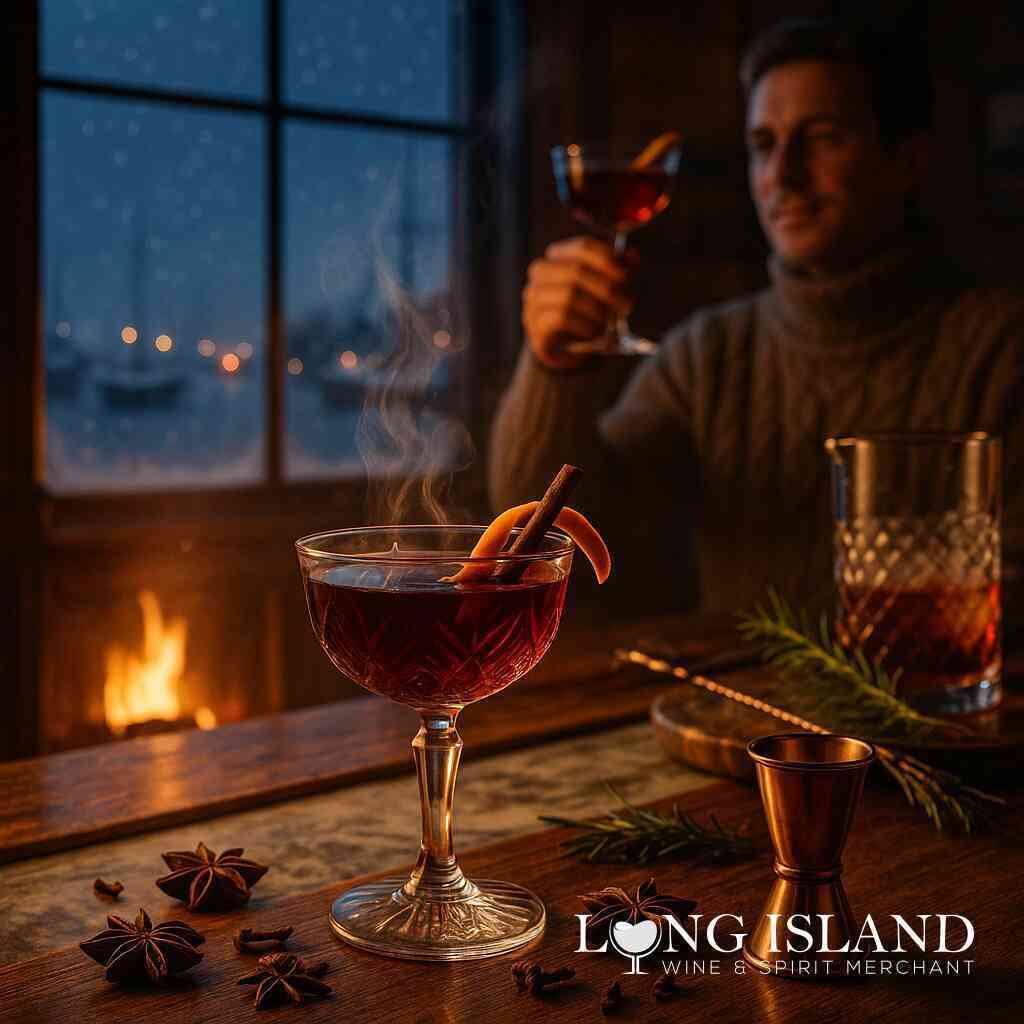
Why Vermouth Belongs in Every Long Island Winter Bar
Vermouth is more than a cocktail modifier. In cold weather it becomes a low-proof comfort drink that warms without overwhelming. The blend of fortified wine, herbs, and spice feels custom-built for January evenings on the North Shore or snow-gray afternoons on the South Fork. This guide explores how to choose, serve, and pair vermouth so it earns a front-row spot beside the stove all season.
Understanding the Styles
Long Island shelves usually carry three broad categories. Knowing their core traits prevents guesswork once the temperature drops.
Sweet (Red) Vermouth
- Color: Ruby to mahogany
- Flavor: Baking spice, dark fruit, gentle bitterness
- Best for: Manhattans, Boulevardiers, sipping neat with an orange twist
Sweet vermouth’s higher sugar wraps the palate like a wool scarf, while wormwood keeps richness in check.
Dry (White) Vermouth
- Color: Straw to pale gold
- Flavor: Herbal, lightly floral, bracing finish
- Best for: Martinis, spritzes, deglazing seafood pans
Its crisp profile slices through creamy gratins or buttery shellfish—common winter comforts along the Island.
Bianco / Blanc Vermouth
- Color: Clear to light gold
- Flavor: Orchard fruit, vanilla, soft pepper
- Best for: Lighter aperitifs, low-proof highballs
Bianco sits between sweet and dry, offering subtle sweetness without the deep caramel tones of red styles.
How Cold Weather Changes What You Taste
Lower air temperature slows aroma release in most beverages. Vermouth counters with concentrated botanicals that still bloom even when the living-room thermostat barely touches 68 °F. Warming spices such as cinnamon and clove resonate against cold air, while a moderate 16–18 % ABV keeps alcohol prickle gentle enough for lingering conversation.
Buying Tips From Local Pros
- Check bottling dates. Fresher is better; aim for bottles stamped within the past year.
- Small formats beat waste. A 375 mL bottle is often enough for seasonal use, especially if you plan to open multiple styles.
- Support regional experiments. Several coastal New York wineries now produce vermouth using hybrid grapes grown on the East End. These bottlings showcase local character and pair naturally with Long Island seafood and produce.
- Mind the sugar. If you prefer drier cocktails, pick a sweet vermouth that lists under 150 g/L residual sugar on its tech sheet. The number might sound nerdy, but staff can point you toward labels in that range.
Storage and Shelf Life
Unlike gin or whiskey, vermouth is a wine. Once opened it will oxidize.
- Refrigerate immediately. Cold storage slows flavor loss.
- Use within one month for peak quality. After that the profile dulls but remains safe to drink for another month or two.
- Vacuum stoppers help. Removing excess air extends life, handy when entertaining only on weekends.
Serving Temperature Matters
Too cold and botanicals hide; too warm and alcohol can dominate. Aim for 50–55 °F—about cellar temperature.
Quick chill method:
- Pour two ounces into a mixing glass.
- Add one large cube, stir ten seconds.
- Strain into a small stemmed glass.
You now have a perfectly tempered aperitif without diluting the first sip.
Simple Winter Serves
1. Fireside Vermouth Neat
- 2 oz sweet red vermouth
- Orange peel
- Optional: single large ice cube
Express the peel over the glass, drop it in, and sit by the fireplace.
2. Alpine Lowball
- 1 ½ oz bianco vermouth
- 1 oz dry gin
- 2 dashes orange bitters
- Top with chilled seltzer
Build in a rocks glass over ice for a sprightly alternative to a gin and tonic.
3. Spiced Vermouth Toddy
- 2 oz sweet vermouth
- 3 oz hot apple cider
- 1 slice fresh ginger
- Cinnamon stick garnish
Heat cider separately, add vermouth and ginger in a mug, top with hot cider, and stir with the cinnamon stick.
Food Pairing Cheat Sheet
| Dish | Recommended Vermouth | Why It Works |
|---|---|---|
| Beef stew | Sweet red | Caramelized soffritto mirrors dried-fruit notes; wormwood bitters balance fat |
| Roasted oysters | Dry | Briny liquor meets herbal edge; acidity cuts richness |
| Mushroom risotto | Bianco | Earthy mushrooms echo gentle spice while light sweetness lifts umami |
| Dark-chocolate tart | Sweet red (chilled) | Cocoa and baking spice create a seamless dessert bridge |
Building a Compact Winter Vermouth Bar
A streamlined selection covers nearly every occasion:
- One premium Italian sweet vermouth for stirred whiskey classics.
- One French or Spanish dry vermouth for martinis and cooking.
- One local experimental bottling to showcase Long Island craft.
- Aromatic bitters, citrus peels, and high-quality ice round out the toolkit.
Entertaining Tips
- Pre-batch cocktails. Combine spirits and vermouth in advance; add ice and garnish when guests arrive.
- Label forward. Display bottles on a wooden tray. The story on the front often sparks conversations.
- Snack synergy. Toasted almonds, marinated olives, or aged cheddar accentuate vermouth’s herbal backbone without overshadowing it.
Final Thought
Winter on Long Island invites slower meals, layered flavors, and gatherings that linger past the last forkful. Vermouth answers that call with aromatic complexity, moderate strength, and culinary versatility. Stock a few thoughtfully chosen bottles, treat them like the wines they are, and discover how a modest two-ounce pour can turn an ordinary cold night into a small moment of Mediterranean warmth.
Winter Vermouth Guide by Long Island Alcohol Store Experts


Comments
Post a Comment