Long Island Winter Rum Guide: Curating Dark & Spiced
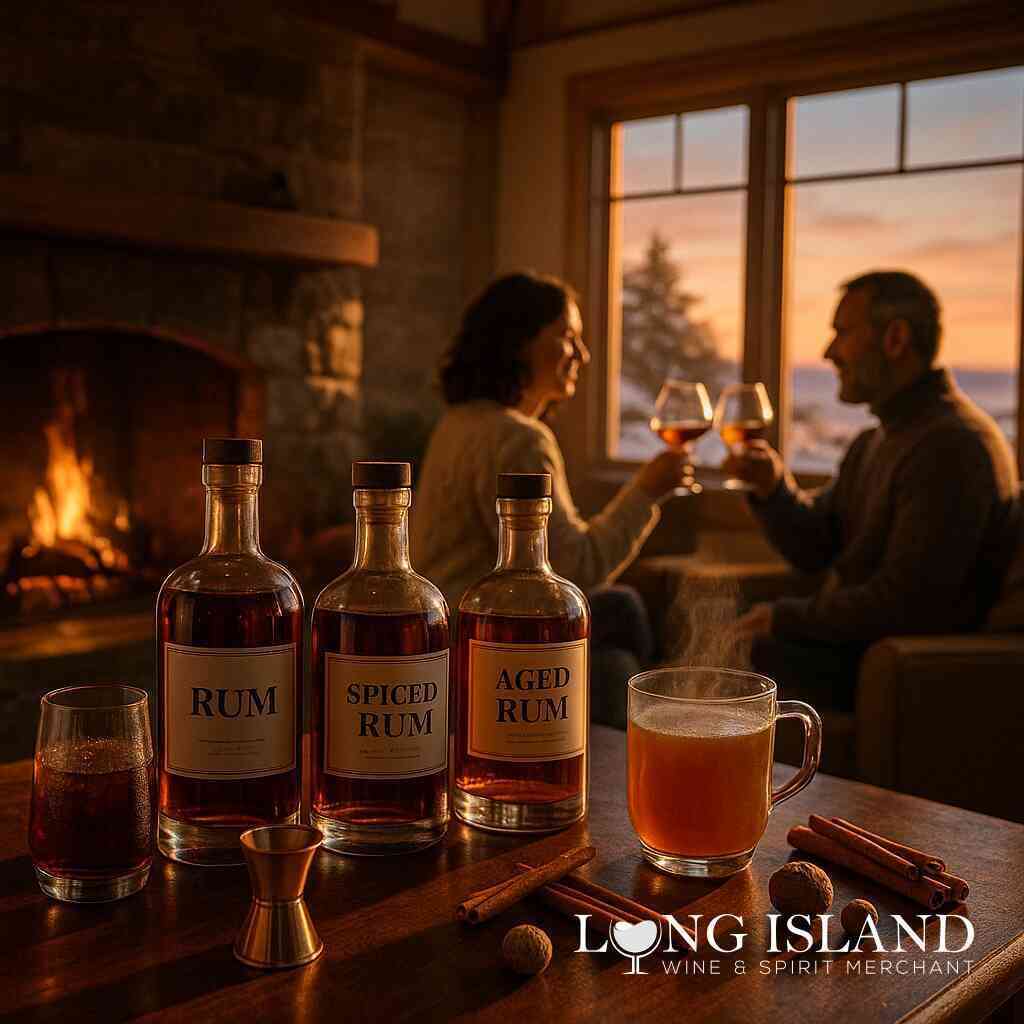
What This Winter Rum Guide Covers
Long Island Alcohol Store’s team set out to answer one deceptively simple question: what makes a rum feel perfect on a freezing January night? The result is a seasonal playbook that moves beyond a basic product list. It explains why darker, spiced, and well-aged bottles answer specific sensory cravings when Atlantic winds cut across Nassau and Suffolk. It also shows how smart sourcing and precise storage can preserve Caribbean character all the way to a Commack fireplace.
Understanding Cold-Weather Rum Desires
Winter shifts the way aroma, texture, and sweetness register on the palate. Lower temperatures dull fruit notes yet amplify baking-spice and roasted-sugar tones. That is why a pour that feels balanced in July may taste thin in January. The guide begins by mapping three key profiles that satisfy cold-weather cravings:
- Molasses-forward dark rum – heavy, almost fudge-like body that stands up to cocoa, coffee, and wood smoke.
- Clove- and cinnamon-driven spiced rum – warmth without the alcohol sting, ideal for easy punches.
- Long-aged column-still rum – silky texture that mimics the mouth-coating feel of hot buttered toast.
Each category is paired with simple temperature tips. For example, a dark Jamaican expression benefits from a short rest in a warm room so caramel notes bloom; a crisp Panamanian extra-añejo sings at a slightly cooler cellar temp to keep oak tannin in check.
Why Commack Palates Gravitate to Dark and Spiced
Commack residents rarely need a thermometer to know winter has arrived. The scent of pine mulch and the snap of cold air off Long Island Sound create an instinctive pull toward richer flavors. Focus groups run inside the store’s tasting area revealed two local taste triggers:
- Nostalgia – Many families remember parents setting out a rum punch next to gingerbread cookies during holiday movie nights. Cinnamon-led aromas now function as an olfactory time machine.
- Contrast with savory comfort food – Apple-cider donuts, beef stew, and wood-fired pizza dominate weeknight menus. A peppery Barbadian spiced rum cuts through that fat while echoing clove in the stew’s broth.
To meet those expectations, the store devotes extra shelf space to Dominican labels with nutmeg heft and Barbadian blends that layer white pepper on top of caramel. Smaller 375-milliliter formats make it easy for curious drinkers to trial a recipe without committing to a full 750-milliliter bottle.
From Caribbean Barrel to Suffolk Counter
Great winter rum is born in humid aging warehouses where oak staves sweat molasses into a spirit over years. The path from that tropical environment to a Long Island living room requires a supply chain built for both speed and stability:
- Selective contracts – Buyers inspect maturation charts and favor distillers practicing sustainable cane farming so flavor and ethics travel together.
- Timed shipments – Casks are scheduled to arrive during milder Atlantic crossings to avoid extreme temperature swings that could disturb delicate esters.
- Climate-controlled holding – Once in Suffolk, pallets pass into a warehouse zone kept within a narrow 60- to 65-degree band. Bottles meant for same-day delivery stay in a separate chamber until a driver scans them out, ensuring that a snowstorm never moves the liquid from one temperature extreme to another.
A final quality-control inspection looks for cork seepage, label damage, or sediment disruption. Only then is the bottle cleared for a holiday party in Huntington or a quiet snow-day brunch in Smithtown.
Selecting the Right Style for Your Home Bar
Choosing a winter rum does not need to feel like an exam. The guide walks drinkers through a short self-assessment:
- Do you crave dessert-like richness? Reach for a dark Demerara-style with treacle depth.
- Do you prefer lighter mouthfeel but layered spice? A column-distilled aged rum finished with clove and orange peel adds warmth without syrupy weight.
- Do you mix more than you sip neat? Pick a mid-proof spiced option so cocktails land balanced even when ice dilutes the pour.
The store’s interactive palate quiz mirrors these questions and then funnels visitors to matching shelf tags. Shoppers who skip digital tools can simply check the color-coded neck hangers: red for dessert-rich, gold for spice-balanced, and blue for silky-aged.
Quick Pairing Ideas for Long Island Kitchens
Even the best bottle falls flat without the right accompaniment. Below are five pairing suggestions tested by the in-house staff:
- Apple-cider donuts with cinnamon-heavy Dominican rum.
- Sharp cheddar grilled cheese alongside a smoky, molasses-forward Jamaican overproof in a hot toddy.
- Slow-cooker short ribs matched with a Barbadian blend that shows white pepper and dried fig.
- Dark-chocolate truffles next to a 12-year Panamanian rum sipped neat at 65 °F.
- Oyster stew finished with a tablespoon of aged column-still rum to add subtle vanilla and oak.
Each pairing aims to create harmony between fat, sweet, and spice so neither food nor spirit dominates.
Storing Rum Through the Freeze
A common misconception is that spirits are shelf-stable anywhere. Rapid temperature swings and direct light can mute a rum’s nuanced aromatics. Home storage advice from the guide is refreshingly simple:
- Keep bottles upright to preserve cork integrity.
- Maintain a steady room temperature; avoid cabinets near radiators.
- If a bottle is half full, consider decanting into a smaller glass container to minimize oxygen exposure over the long off-season.
By following those three steps, a January purchase will still taste vibrant when you revisit it for an early-spring daiquiri.
Final Thoughts
A winter rum guide should do more than list labels; it should translate the season’s mood into liquid form. Long Island Alcohol Store accomplishes that by blending sensory science, regional food culture, and behind-the-scenes logistics. The outcome is a curated roadmap that helps anyone—from first-time hosts to seasoned collectors—build a cold-weather bar that feels both comforting and exciting.
Whether the evening ahead involves a roaring fireplace or a quick dash in from the snow, the right rum can add a layer of warmth no blanket can match. Use the tasting tips, pairing suggestions, and storage guidelines above to navigate the darker months with a glass that always feels exactly right.
How Long Island Alcohol Store Crafts Winter Rum Guide


Comments
Post a Comment