Long Island White Wine Trends 2026: Cool Climate Revival
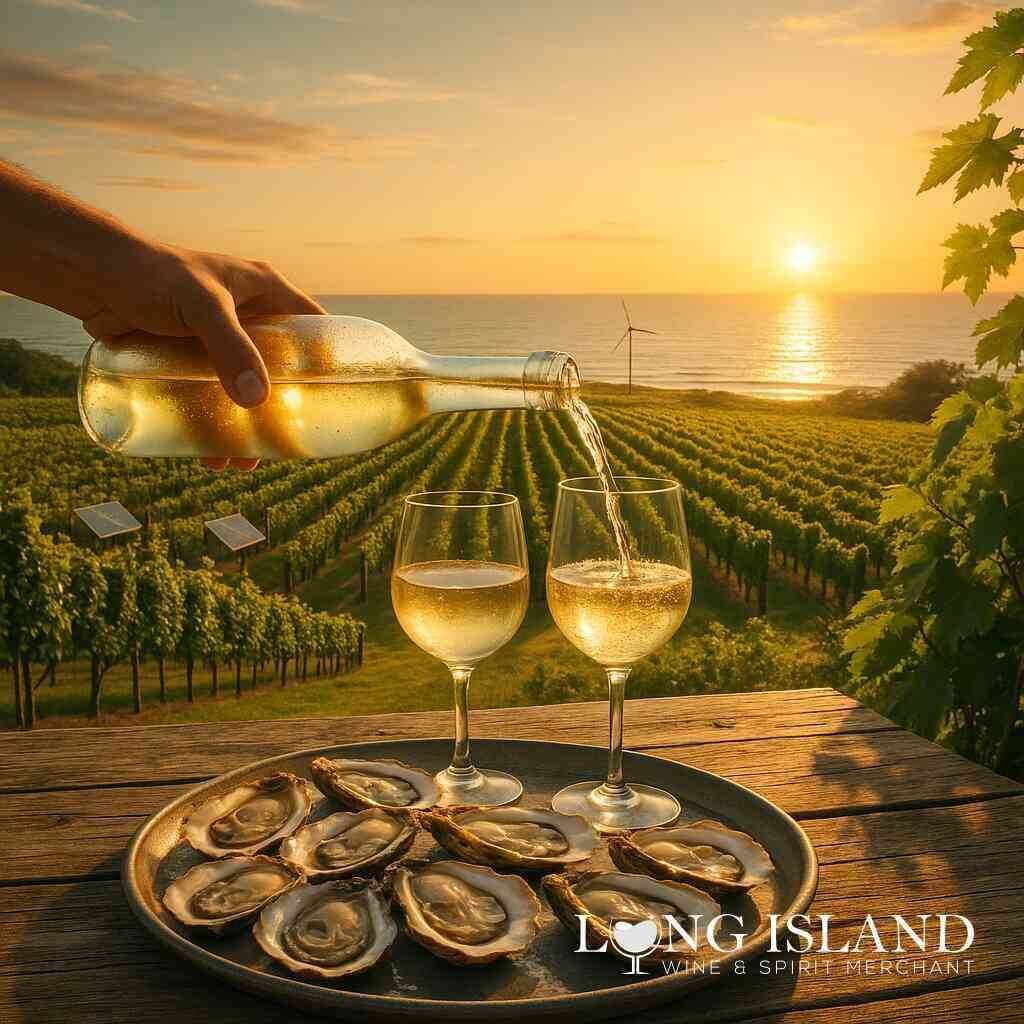
White wine is changing fast, and Long Island Wine & Spirit Merchant is a useful vantage point for seeing where the category is headed in 2026. Shopper data, vineyard innovation, and plain-spoken hospitality are pushing a new wave of bottles onto Commack shelves—crisper, cleaner, and more personal than the oaky standards of a decade ago. This overview explores the key forces behind that shift and offers practical pointers for anyone stocking a home cellar or planning the next seafood night.
Personalization Starts With Five Questions
Many visitors now begin their visit with a short taste quiz set up in the shop’s foyer and mirrored on the store’s website. Five multiple-choice questions translate flavor memories—citrus vs. stone fruit, herbaceous vs. floral—into a ranked list of grape varieties. The tool does two things at once:
- Guides the guest. Shoppers who once reached for a familiar label out of habit suddenly discover a dry Moschofilero or a skin-contact Pinot Grigio that matches their stated texture and aroma preferences.
- Guides the buyer. Aggregated answers reveal where collective interest is heading. When a spike in “tropical” descriptors appears, the team can widen its Albariño and Verdejo orders before the broader market catches on.
Because the system pulls fresh data every week, the white wine wall looks less like a static retail shelf and more like a real-time barometer of Long Island taste.
Sustainability Moves From Talking Point to Quality Marker
Environmental promises used to sit on the back label; now they earn prime placement on shelf talkers. Three practices dominate the store’s 2026 sourcing decisions:
- Dry farming. Vineyards that skip irrigation report smaller berries with more concentrated flavor. Consumers experience that as heightened acidity and lifted aromatics in grapes such as Grüner Veltliner.
- Renewable power. Solar arrays cut production costs and carbon footprints. The knock-on benefit is cooler, slower fermentations that preserve delicate peach and pear notes.
- Regenerative soil care. Compost teas and cover crops keep microbial life thriving. Tasters notice a textural energy—a kind of subtle “bounce” on the palate—that differentiates these wines from those grown on overworked land.
In practice, the store staff weaves these facts into casual conversation: “This Riesling is whole-cluster pressed, but the bigger story is the vineyard’s living mulch program, which seems to give the mid-palate its spring.” The result is education without lecture.
Reading the Floor Like a Weather Map
Patterns inside the brick-and-mortar location shift by daypart, almost like tides:
- Weekday evenings. Commuters want something chilled and ready for the dinner table. The cooler gets front-loaded with unoaked coastal Chardonnay and spritzy Vinho Verde cans.
- Weekend afternoons. Leisure shoppers linger at the tasting bar. Limited-release flights—perhaps a flight of Austrian white blends—let them test drive unfamiliar categories before committing to a case.
- Holiday visitor spikes. Out-of-towners hunt for gifts that capture local terroir. Estate-bottled Long Island Albariño and barrel-aged Chardonnay earn an end-cap display for exactly that reason.
Every anecdotal observation feeds back into the digital inventory system, tightening the store’s ability to predict reorder timings and prevent out-of-stock frustration.
Cool Climate Renaissance: Grapes to Watch
Coastal Chardonnay
Classic Long Island Chardonnay once leaned buttery and broad. In 2026 the pendulum swings toward brisk, maritime style—think green apple, wet stone, and a faint saline edge. Stainless steel and neutral oak keep the fruit fresh, while six months on lees supply enough creaminess to stand up to clam chowder without overwhelming it.
Pairing tip: Serve at 50 °F with raw oysters, letting the wine’s acidity amplify the shellfish’s brine.
Salt-Kissed Albariño
Formerly a niche Spanish variety, Albariño now enjoys serious shelf space. Younger drinkers praise its grapefruit pith and sea-spray finish, qualities that pair effortlessly with sushi, ceviche, or simple grilled shrimp. In blind tastings, many confuse high-quality Albariño with Sauvignon Blanc—until the rounder mid-palate peach notes reveal themselves.
Biodynamic Pinot Grigio
Pinot Grigio often suffers from a reputation for neutrality. Biodynamic lots flip that script, showing jasmine, fennel, and a tactile grip from minimal fining. A growing set of Long Island producers farm the grape under lunar-cycle calendars, creating conversation pieces as well as delicious aperitifs.
Textured Skin-Contact Whites
Orange wine isn’t new, but it matures in 2026. The store’s curated lineup focuses on subtle, food-friendly macerations rather than heavily tannic examples. Expect chamomile aromas, dried apricot flavors, and a faint tannic nip that plays well with roast chicken or hard cheeses.
Technology Meets Logistics: Fast Delivery Without Compromise
Commack’s suburban sprawl makes convenience as important as curation. The store’s routing algorithm groups orders by neighborhood and traffic pattern, allowing same-day delivery while keeping bottles upright and temperature-controlled. Seafood feasts stay on schedule because a dry Albariño arrives an hour before the guests.
Building a Future-Ready Home White Wine List
For readers assembling a versatile 2026 lineup at home, consider this five-bottle starter kit:
- Unoaked coastal Chardonnay – All-purpose crowd-pleaser, perfect with poultry and shellfish.
- Albariño from a maritime region – High-acid refresher for raw bar nights.
- Biodynamic Pinot Grigio – Light body with surprising complexity; great aperitif.
- Skin-contact blend – Adds texture and conversation value to cheese boards.
- Off-dry Riesling – Balances spicy take-out or glazed holiday ham.
Store bottles on their side at 55 °F, away from vibration and direct light. Most will drink best within three years, but higher-end biodynamic wines may develop honeyed depth for up to seven.
Key Takeaways
- Data-driven personalization shifts white wine shopping from guesswork to guided discovery.
- Sustainable farming practices are no longer fringe; they are a quality signal consumers can taste.
- Cool-climate styles—especially maritime Chardonnay and Albariño—define the current Long Island palate.
- Convenient, careful delivery completes the experience, ensuring the wine arrives as intended.
Whether you stop by the Commack store or explore virtually, the 2026 white wine landscape rewards curiosity. Leaner textures, bright acidity, and transparent farming stories combine to make the category more exciting than ever. Cheers to tasting tomorrow, today.
White Wine Trends 2026 at Long Island Wine & Spirit Merchant


Comments
Post a Comment