Long Island Rum Legacy: Exploring Commack’s Curated Shelves
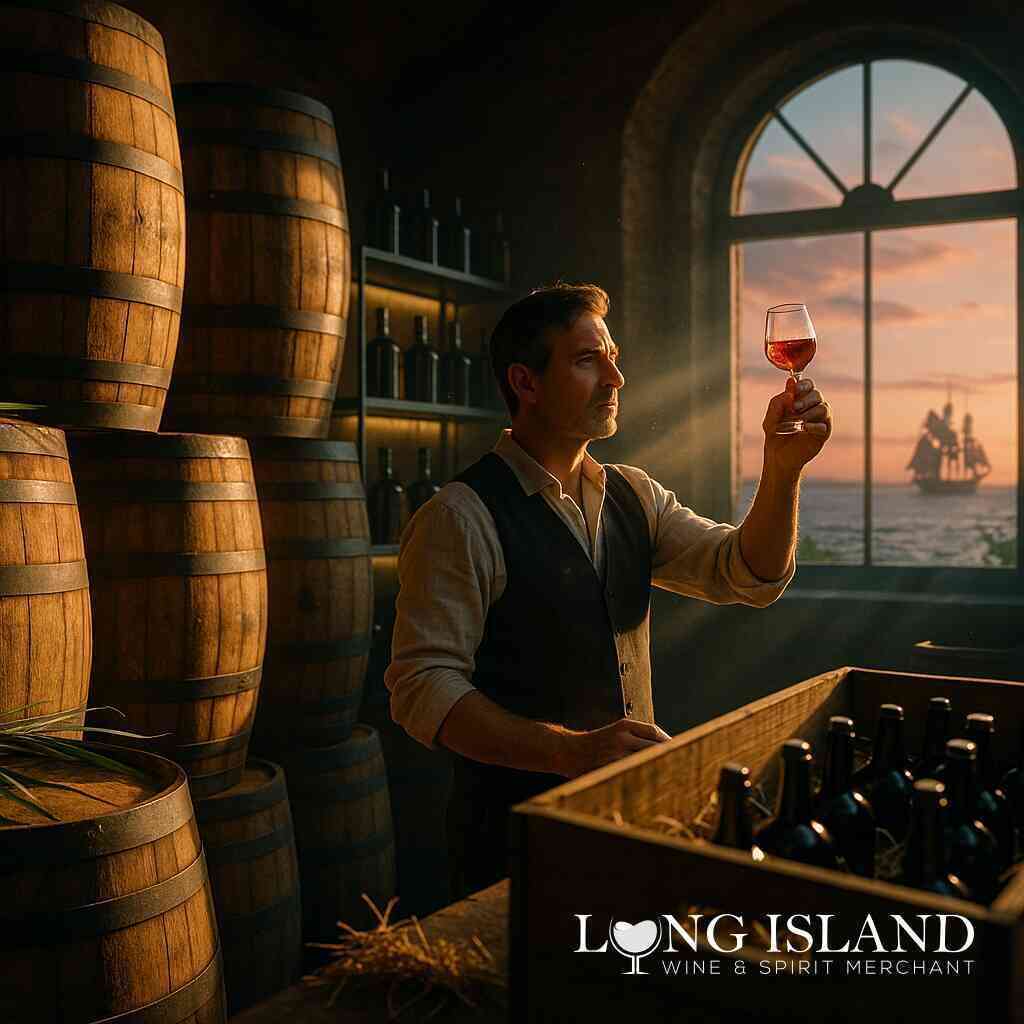
Long Island rum has sailed a long route from colonial trade ships to the polished bottles now lining Commack retail displays. This guide looks at how that history lives on inside the Rum Room at Long Island Alcohol Store, why barrel-aged expressions dominate its lineup, and what the wider New York craft scene means for curious drinkers in 2026.
A Quick Voyage Through History
Rum began as a by-product of sugarcane, when plantation fermenters discovered the potential hidden in molasses. By the 1700s, barrels were moving steadily up the Atlantic coast. Long Island’s deep-water harbors offered safe anchorage, and taverns from Brooklyn to Sag Harbor quickly turned the spirit into local currency. Shipyards, merchants, and fishermen all benefited as rum helped finance sails, rope, and even homespun political meetings.
While today’s Commack shoppers do not barter with hogsheads, the historical link remains. Each pour of dark, oak-kissed rum whispers of briny decks, salt spray, and the entrepreneurial energy that built early New York.
How the Store Honors That Heritage
Walking into the Rum Room, the first impression is variety. Bottles are arranged not by flashy labels but by production style, creating a mini tutorial in liquid geography. Three pillars guide the curation:
- Authentic Caribbean DNA – Small-batch distillers from Barbados, Grenada, and Martinique send limited releases that rarely top a few barrels. These rums offer deep demerara sweetness, overripe banana, and gentle coastal salinity.
- New York Innovation – Local producers experiment with Empire State corn, imported cane syrup, and nontraditional yeast strains, showcasing grassy agricole notes one month and cocoa-rich pot-still character the next.
- Educational Transparency – Shelf placards outline still type, aging climate, and ester count so buyers know why one rum bursts with pineapple while another leans into leather and pipe tobacco.
Seasonal Rotations
Inventory changes with the weather—heavier, clove-inflected bottles surface during cold snaps, while citrus-bright white rums appear once patio season starts. This rhythm mirrors historical trade cycles when ships timed departures around hurricanes and nor’easters.
The Art and Science of Barrel Aging
Aging rum is far more than letting barrels sit in a warehouse. The buyers at Long Island Alcohol Store pay attention to four factors that make or break a cask:
• Previous Fill – Ex-bourbon wood lends vanilla and caramel; former sherry casks can add fig and walnut; port barrels contribute plum and gentle tannin.
• Char Level – Heavy char can impart smoke and bold spice, while light toast keeps fruit notes front-and-center.
• Warehouse Climate – Long Island’s coastal humidity helps control evaporation (the “angel’s share”) and encourages steady oxidation for rounded mouthfeel.
• Maturation Time Frames – The Rum Room carries flight sets that show the same distillate at two, five, and eight years, letting enthusiasts taste development stage by stage.
Small engraved tags identify single-barrel selections that passed a stringent tasting panel. Anything exhibiting rough tannins or awkward sulfur gets declined, reinforcing consumer trust in the store’s palate.
Spotlight on New York Craft Rum
The Empire State’s distilling revival has often centered on whiskey and gin, yet rum quietly benefits from the same farm-to-bottle mindset. Upstate grain farmers supply molasses-friendly yeast nutrients; Hudson Valley cooperages char locally felled oak. On Long Island’s East End, experimental stills rest barrels in uninsulated beachside warehouses so ocean temperature swings can accelerate flavor exchange.
For local drinkers, this means a choice between two paths:
• Classic Caribbean Style – Often pot-distilled, full-bodied, and aged in tropical warehouses for lush fruit-cake density.
• Modern New York Style – Leaner, sometimes drier, with floral honey yeast strains and lighter barrel influence.
Side-by-side flights at the store let customers sample both, encouraging informed opinions rather than brand-driven loyalty.
Tips for Choosing a Bottle
- Define the Occasion – A daiquiri welcomes a grassy, high-ester white rum; a fireside nightcap thrives on navy strength or double-oak releases.
- Ask About Ester Levels – Higher esters equal bigger aromas. If you like funky Jamaican style, seek bottles above 200 ppm.
- Read the Aging Statement Carefully – A “five-year tropical” rum can taste older than a “ten-year continental” rum because warmer climates mature liquid faster.
- Mind Sugar Additions – Some brands dose post-distillation. The Rum Room lists grams per liter when available so you can match sweetness to preference.
Pairing Ideas
• Aged Rum and Blue Cheese – The rum’s caramel softens tangy dairy.
• White Rum and Ceviche – Citrus brightness echoes the dish’s lime cure.
• Spiced Rum and Apple Pie – Baking spice in both elements builds harmony.
Looking Ahead
Barrel shortages and climate concerns continue to influence rum production worldwide. Long Island Alcohol Store keeps an eye on alternative woods—acacia, cherry, and even locally sourced maple—to see how they shift texture and aroma. Meanwhile, micro-aging techniques such as sonic waves or pressurized vats may shorten maturation while preserving complexity. Shoppers will likely see experimental bottlings trickle onto shelves throughout 2026.
Final Pour
From sugarcane fields to contemporary Commack, rum’s narrative is one of adaptation. Long Island Alcohol Store honors that story with a selection shaped by history, guided by science, and enriched by the region’s own creative distillers. Whether you favor a bright cocktail base or a contemplative sipper, the Rum Room offers a knowledgeable waypoint on your ongoing exploration of Long Island’s enduring rum legacy.
Investigating Long Island Alcohol Store's Rum Legacy in New York


Comments
Post a Comment