Long Island Rosé 2026: Styles, Serving Tips & Trends
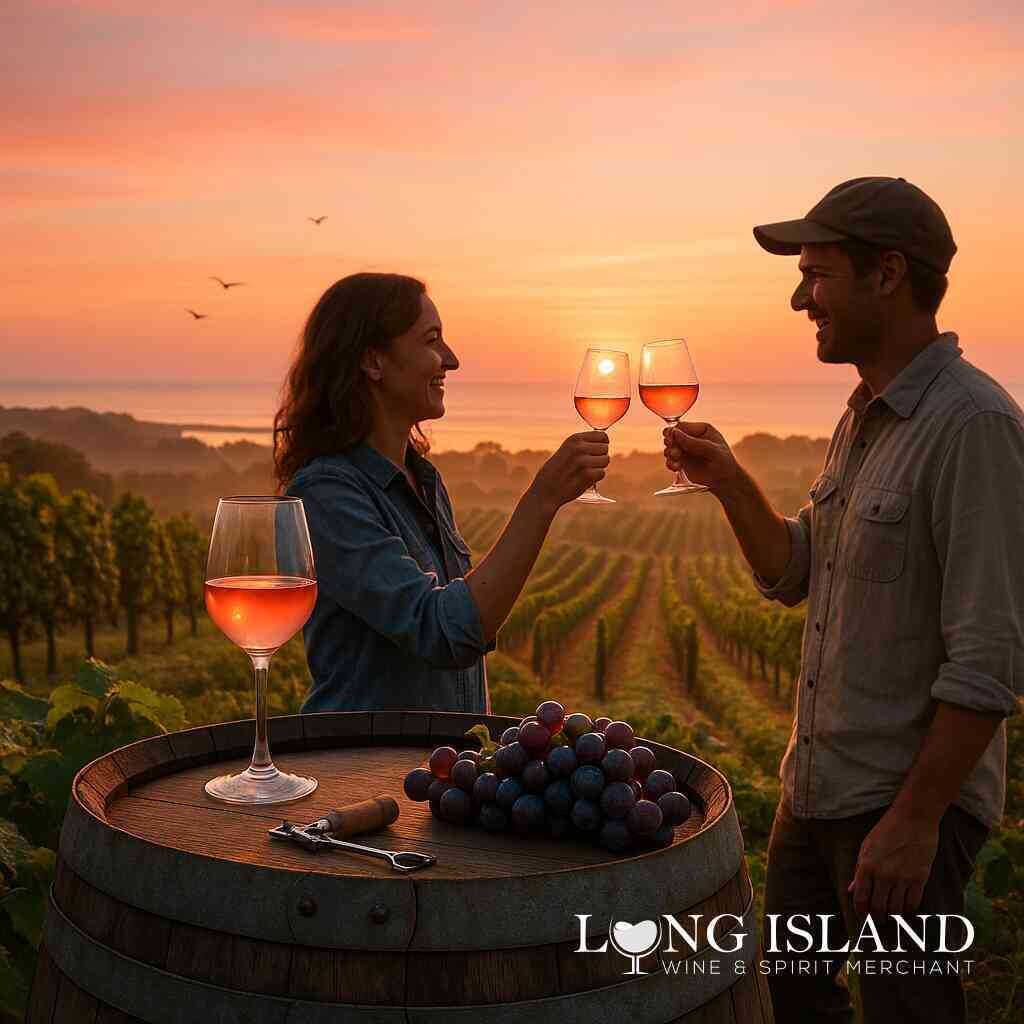
The Rosé Moment on Long Island
Rosé has moved from summer novelty to four-season essential, and nowhere is that evolution clearer than on Long Island in 2026. Local winemakers have learned how to translate the region’s maritime climate into bottles that balance bright acidity with generous fruit, giving retailers a wide palette to share with curious drinkers.
Why the Island Produces Distinctive Pink Wine
Long Island sits between the Atlantic Ocean and Long Island Sound. Daily breezes cool the vines, stretching the growing season and protecting natural acidity. Red varieties such as merlot and cabernet franc gain full flavor without excess sugar, making them ideal for delicate maceration or saignée rosé. The result is a style that often shows:
- Pale salmon color rather than deep ruby
- Aromas of wild strawberry, watermelon rind, and sea spray
- Crisp, mouth-watering finish that pairs easily with food
The combination of acidity and moderate alcohol means most bottles feel lively rather than heavy, even when a hint of barrel aging adds texture.
Production Methods You Are Likely to See
- Direct Press: Red grapes are pressed gently, and the juice remains on the skins for only a few hours. This yields the lightest hue and a fresh, citrus-driven profile.
- Saignée: A portion of juice is “bled” off a red wine fermentation after limited skin contact. Color is deeper, flavors trend toward raspberry and plum, and body has more mid-palate weight.
- Blending: A very small amount of finished red wine can legally be added to white wine. Although rare on the Island, it occasionally appears in sparkling rosé cuvées.
Each method offers a different balance of fruit, structure, and color, so reading the back label or consulting a knowledgeable retailer will guide you toward the style you prefer.
Organizing a Rosé Tasting at Home
A simple lineup of three Long Island bottles reveals how varied the category has become.
| Position | Grape Focus | Method | Tasting Highlight |
|---|---|---|---|
| 1 | Cabernet Franc | Direct Press | Bright cranberry, hibiscus |
| 2 | Merlot | Saignée | Ripe strawberry, slight spice |
| 3 | Field Blend | Barrel-aged | Peach skin, hint of vanilla |
Serve each wine between 50-55 °F. Use standard white-wine stems; oversize red glasses can dilute delicate aromatics.
Seasonal Pairing Ideas
Spring and Early Summer
- Chilled shellfish towers
- Goat cheese salads with herbs
- Grilled asparagus drizzled with lemon oil
Peak Summer Beach Days
- Lobster rolls on buttered buns
- Watermelon and feta skewers
- Sushi platters
Autumn and Holiday Tables
- Roast turkey with cranberry relish
- Butternut squash ravioli
- Pork tenderloin with rosemary
Barrel-kissed or saignée rosés handle the richer textures of fall dishes, while direct-press versions keep seafood and salads feeling bright.
Caring for Your Bottles
Most still rosé is intended for near-term enjoyment, but proper handling preserves freshness:
- Storage: Keep bottles on their side in a dark space at 55 °F if possible. Even two weeks in a hot cabinet can mute aromatics.
- Transport: When ordering for delivery, look for insulated packaging during extreme temperatures. Quick, local courier service minimizes vibration and heat spikes.
- Serving Window: Open within two years of the vintage unless the producer specifically notes longer aging potential.
Emerging Micro-Trends to Watch in 2026
- Cabernet Franc–Driven Blends: Winemakers lean into the grape’s floral edge and early ripening, producing savory, mineral-tinged rosé.
- Skin-Contact Whites Labeled as “Rosato”: A few experimental cellars blur category lines, creating copper hues from pinot grigio or tocai friulano.
- Low-Alcohol Options: Techniques such as earlier harvest or partial dealcoholization yield bottles in the 9–10 % ABV range, popular for midweek sipping.
- Sustainable Packaging: Lightweight glass and recyclable closures appear more frequently as producers aim to cut shipping emissions without sacrificing quality.
Tips for Buying With Confidence
- Consult Staff: A five-minute conversation about preferred fruit level or food pairings often pinpoints the right bottle faster than browsing alone.
- Note Vintage Variation: Cooler, wetter seasons may lead to leaner, more mineral wines, while warmer years push fruit concentration. Neither is inherently better—just different.
- Try Flights: Many retailers now create mixed three-packs that show the spectrum of styles. This low-risk approach builds palate memory quickly.
Final Thoughts
Long Island’s rosé scene in 2026 proves that pink wine is no longer a category of convenience; it is a canvas for serious craftsmanship. Understanding the climate, grape choices, and cellar decisions behind each bottle makes the experience richer. Whether you gravitate toward a crisp direct-press cabernet franc or a fuller saignée merlot, a little knowledge transforms a casual sip into a moment of discovery.
Exploring this diversity can be as simple as asking a local merchant for guidance, pairing the wine thoughtfully, and serving it at the right temperature. With those basics covered, the glass in your hand delivers everything the coastline, the breeze, and the grower intended—one refreshing pour at a time.
How Long Island Wine & Spirit Merchant Defines Rosé 2026


Comments
Post a Comment