Long Island Liquor Store Drives Small-Batch Gin Innovation
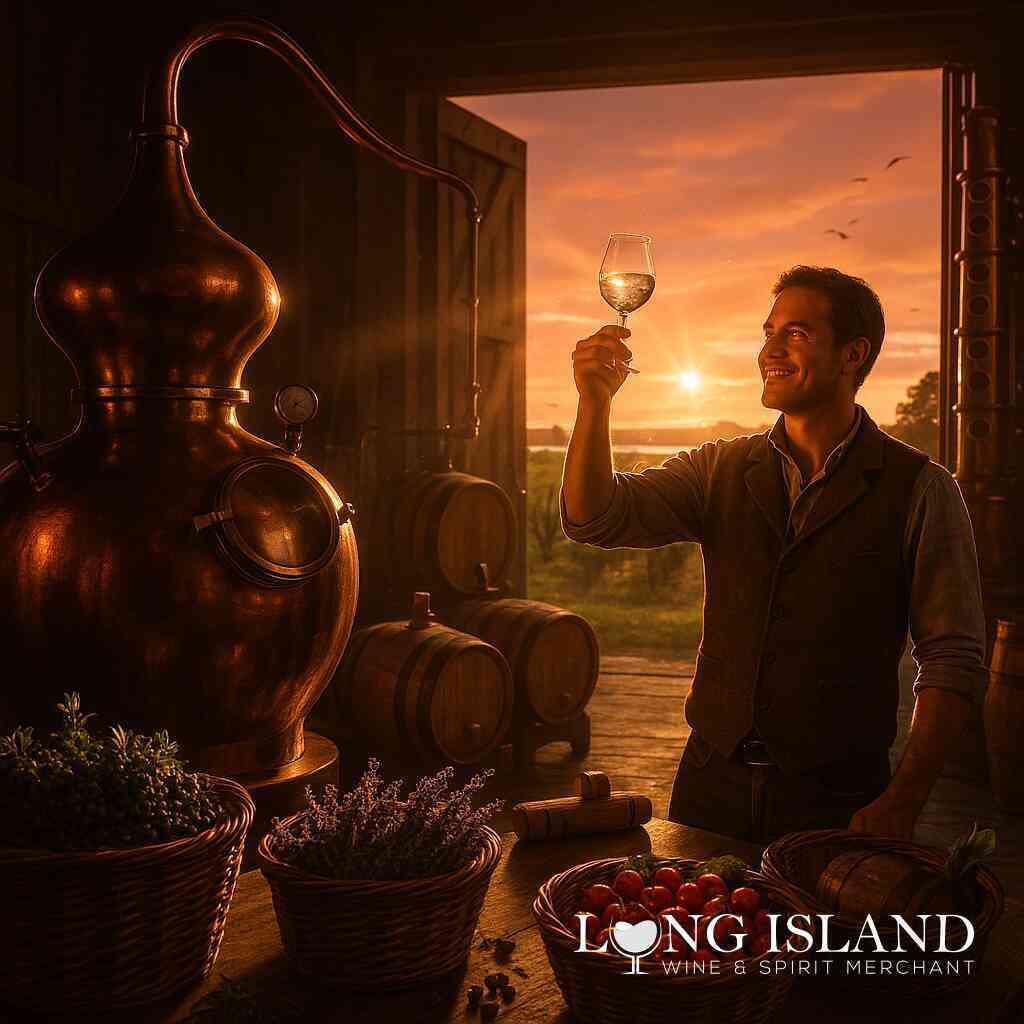
How a Commack Retailer Became Long Island’s Gin Think-Tank
Craft gin used to arrive on Long Island with little fanfare—often tucked into the broader vodka and rum shelves. That changed when a forward-looking wine and spirits shop in Commack decided gin deserved the same curatorial approach usually reserved for collectible Burgundy. By treating every new bottle as a research project, the store has turned itself into the region’s most trusted source for cutting-edge juniper spirits.
Weekly Stillhouse Visits Keep the Selection Ahead of the Curve
Most retailers wait for distributors to present finished products. The Commack team flips that timeline. Buyers drive to local distilleries every week, tasting vapor-fresh distillate straight from the condenser. If a batch shows promise—perhaps a brighter citrus layer or a more resinous pine note—it earns shelf space long before larger outlets even hear about it. This early access means shoppers routinely discover bottles that will not appear in Manhattan or Brooklyn for months.
What the Buyer Looks For
- Provenance of every botanical, especially juniper and citrus peels
- Balance between alcohol weight and botanical lift
- Transparency from the distiller on maceration and vapor-infusion steps
- Experimental cask finishes or unconventional base spirits, such as potato or honey wash
Because tasting notes go into a shared database, staff can explain exactly why Batch 4 differs from Batch 3. That level of detail inspires trust among collectors and casual drinkers alike.
Terroir-Driven Botanicals Redefine “Local” Flavor
Wine professionals talk about soil and microclimate. The same concept now guides small-batch gin on Long Island. Distillers pull rose hips from South Shore dunes, lavender from Peconic farms, and spruce tips from property lines near the Pine Barrens. Each ingredient brings the coastline, humidity, and sandy loam into the glass.
The store reinforces this sense of place by tracing every botanical back to a farm or forager. Bottles often carry hand-written harvest dates next to lot numbers. When customers taste cucumber, they are tasting an actual North Fork field at peak ripeness, not bulk produce trucked in from California.
Seasonal Forums Build Community Knowledge
Each quarter, the retailer hosts an open forum that feels halfway between a tasting room and a botany lab. Attendees can:
- Smell individually distilled single-botanical spirits to isolate aroma
- Compare maceration vs. vapor-infusion side by side
- Ask local farmers how weather impacted this year’s lemon balm crop
These sessions turn shoppers into informed evaluators rather than impulse buyers. As a result, distillers receive immediate, educated feedback that pushes them toward greater precision.
Data-Driven Personalization With the Gin Taste Quiz
Wine drinkers have long used flavor quizzes to navigate complex shelves. The Commack shop adapted that idea for gin. A ten-question digital survey translates flavor memories—lemongrass tea, pine forest after rain, chamomile honey—into botanical archetypes. The software then maps results to current inventory and sets staff alerts when a limited batch aligns with a customer’s profile.
Why the Quiz Matters
- It shortens the learning curve for newcomers overwhelmed by label jargon.
- It keeps regulars engaged with automatic notifications when new releases fit their palate.
- It gives distillers anonymous demographic feedback on which flavor sets resonate most.
The quiz never replaces human guidance; it simply ensures that every conversation begins with well-defined preferences.
Leveraging Technology to Capture Delicate Aromatics
Traditional pot-still runs can scorch fragile citrus oils. To solve that problem, several partner distilleries now use rotary evaporators and low-pressure chambers. The store invests in the research by purchasing mini-batches produced during equipment trials. Shoppers can therefore taste the exact moment technology shifts a flavor profile—often in batches as small as fifty bottles.
Benefits of Modern Extraction
- Preserves bright top notes that fade under high heat.
- Allows lower proof distillation, reducing the need for dilution and maintaining viscous texture.
- Creates cleaner base spirits, letting local botanicals shine rather than compete with ethanol bite.
Building a Regional Center for Juniper Scholarship
With steady tastings, data tools, and transparent sourcing, the Commack retailer has become a meeting point for bartenders, collectors, and curious neighbors. Several outcomes stand out:
- Recipe evolution in real time. Distillers often tweak botanical ratios based on feedback gathered during weekend pours.
- Collaborative single barrels. The shop commissions cask-strength versions of existing gins, then records how toasted oak or ex-sherry wood alters maritime botanicals.
- Education over hype. Social media posts focus on mash bills, ester formation, and comparative glassware—not on limited-time discounts.
Practical Tips for Exploring Small-Batch Gin in 2026
- Start neat, finish with tonic. A small sip at room temperature reveals texture and sweetness that mixers can hide.
- Keep notes. Even simple descriptors—“grapefruit pith,” “forest floor,” “salt spray”—help you track favorite profiles.
- Visit during release days. New gins often arrive Friday mornings; early visitors can compare fresh stock before bottles sell out.
- Ask about base spirit origin. Grain, potato, and even whey each lend different mouthfeels.
- Store bottles upright and cool. Sunlight and heat fade aromatics faster than you would expect with such delicate oils.
The Takeaway
By marrying old-world curation with new-world technology, this Long Island liquor store has elevated gin from a cocktail staple to a canvas for regional expression. Weekly stillhouse visits secure early access, terroir-focused relationships ground each bottle in local agriculture, and data tools ensure every recommendation feels personal. The result is a shelves-and-community ecosystem where cutting-edge gin advancements happen first—and where every customer can taste the future of Long Island spirits.
Why Long Island Liquor Store Leads in Cutting-Edge Gin Advancements


Comments
Post a Comment