Long Island Guide to Scotch: Selection, Tasting, Delivery
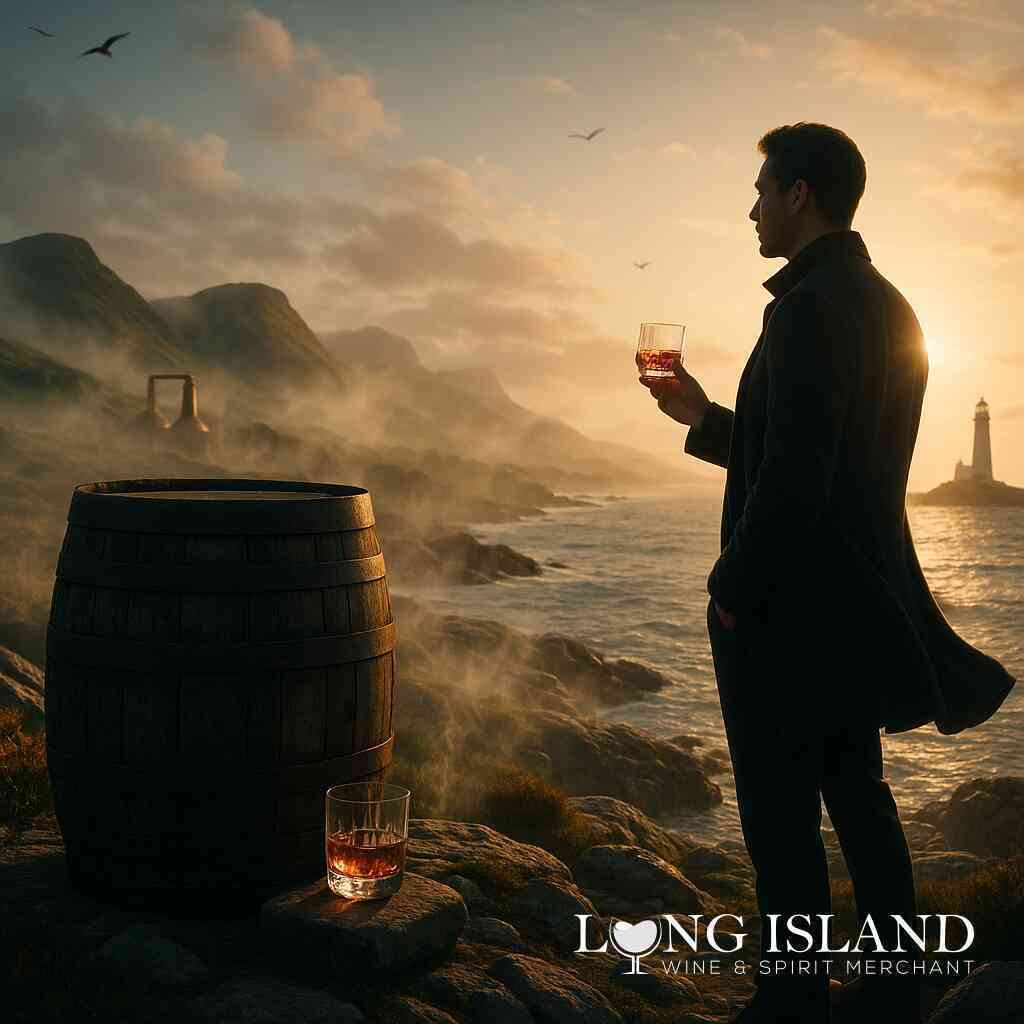
Why Long Island Matters in a World of Scotch
Long Island is better known for beaches than barley, yet its energetic food-and-drink scene has become a surprising bridge to Scotland’s Speyside and Islay regions. A new wave of retailers, led by the Commack team at Liquor Store Open, treats Scotch not as an imported curiosity but as a conversation starter—one that pairs coastal salinity with orchard fruit, peat smoke, and oak-driven spice.
This guide walks through the principles behind that approach. You will see how careful bottle selection, transparent education, and thoughtful shipping practices turn a simple purchase into an experience that respects centuries of Scottish tradition while welcoming modern American tastes.
Building a Curated Scotch Wall
1. Begin With Regional Benchmarks
A balanced collection starts by representing Scotland’s key whisky areas:
- Speyside for floral notes, vanilla, and honey.
- Highlands for heather, stone fruit, and gentle spice.
- Islay for brine, peat smoke, and medicinal complexity.
- Lowlands & Campbeltown for grassy citrus or coastal toffee.
Offering at least two expressions from each region lets shoppers compare style differences rather than chase brand names alone.
2. Respect Age—but Prioritize Character
Age statements still reassure many buyers, yet Liquor Store Open’s staff reminds customers that climate, cask type, and distillation shape flavor just as strongly. A vibrant 10-year-old finished in first-fill bourbon can outperform a tired 18-year-old from fatigued wood. Clear shelf tags listing cask history, bottle strength, and distillery cut points help demystify those variables.
3. Rarities Beside Weeknight Drams
A healthy top shelf mixes trophy bottles with accessible pours:
- Limited single casks for collectors.
- Cask-strength releases for enthusiasts who enjoy adding their own water.
- Reliable core range malts priced for everyday sipping.
Positioning them side by side signals that exploration, not exclusivity, drives the program.
Hosting an In-Store or At-Home Tasting
Liquor Store Open leans on a simple, teachable tasting structure that anyone can borrow.
Flight Order
- Start light: ex-bourbon Speyside at 40–43 % ABV.
- Move to sherry influence: richer fruits, higher viscosity.
- Introduce peat last so smoke does not mute subtle notes.
Glassware and Water
- Tulip-shaped glasses focus aromas.
- A small pitcher of room-temperature water lets guests dilute high-proof samples a drop at a time, opening esters without drowning flavor.
Sensory Checkpoints
- Nose the whisky first; identify fruit, grain, wood.
- Sip and hold for 10–15 seconds to observe texture.
- Note the finish length: a lingering warmth often signals quality maturation.
Contextual Stories
- Explain why Speyside stills are tall (preserving light esters) while Islay distillers may favor shorter necks for weightier spirit.
- Share cooperage facts—American oak adds coconut and vanilla; European oak leans toward dried fruit and clove.
A structured session turns casual drinkers into informed buyers who can articulate preferences instead of relying on price tags alone.
Safeguarding Scotch in Transit
Buying whisky online poses two concerns: temperature swings and bottle damage. Liquor Store Open addresses both through layered best practices.
Thermal Protection
- Insulated liners keep interior temperature within a ±5 °F window for most continental routes.
- Seasonal cutoffs hold shipments during extreme heat or cold rather than risk flavor degradation.
Impact Resistance
- Custom pulp trays or inflatable sleeves immobilize bottles.
- Outer cartons receive edge-crush testing comparable to wine-trade standards.
Transparency and Tracking
- Customers receive a tracking link immediately after label creation.
- Proactive alerts flag weather delays before they become surprises.
The result is a package that arrives with corks intact, labels pristine, and flavors undisturbed—ready for a virtual or in-person toast.
Personalizing a Scotch Gift Box
Scotch can feel intimidating as a gift, but careful curation removes guesswork. Liquor Store Open’s three-step framework is easy to replicate:
Profile the Recipient
- If they favor bourbon, a first-fill American-oak Speyside offers familiarity.
- Espresso or dark-chocolate fans often appreciate sherry-forward Highland malts.
- Adventurous palates may enjoy a lightly peated Island expression.
Add Educational Touches
- Include a tasting card outlining region, cask type, and suggested serving temperature.
- A small pipette encourages controlled dilution experiments.
Finish With Presentation Cues
- Choose a neutral ribbon color for corporate gifting, or clan tartan hues for personal milestones.
- Include a handwritten note when possible; authenticity outweighs print quality every time.
These details transform a bottle into a thoughtful experience that respects the recipient’s curiosity.
Everyday Tips for Buying Scotch in 2026
- Look beyond marketing terms. "Double oak," "triple cask," and similar labels matter only when cask quality is clear.
- Mind ABV. Anything under 40 % is not legally Scotch; cask strength (often 52–60 %) offers flexibility but demands cautious sipping.
- Check closure integrity. A compromised cork can introduce oxidation before you ever open the bottle.
- Store upright and cool. Scotch does not enjoy prolonged sunlight or fluctuating temperatures. A stable pantry shelf works fine until the bottle level drops below the neck.
Final Word
Long Island’s evolving palate proves that Scotch appreciation is no longer reserved for dimly lit drawing rooms. By uniting precise selection, hands-on education, and shipping methods that honor the spirit’s integrity, retailers such as Liquor Store Open demonstrate how a community thousands of miles from Speyside can still uphold the category’s highest standards.
Whether you explore a honeyed Glenlivet, a sherry-rich Balvenie, or a briny Islay classic, the real reward is understanding why each dram tastes the way it does. That knowledge, once earned, travels with you—from an in-store tasting on Commack Road to a quiet nightcap in any corner of the country.
Liquor Store Open's Mastery of Scotch Excellence Explained


Comments
Post a Comment