Long Island Fine Wine Guide | Terroir, Picks & Delivery
Discovering Fine Wine on Long Island
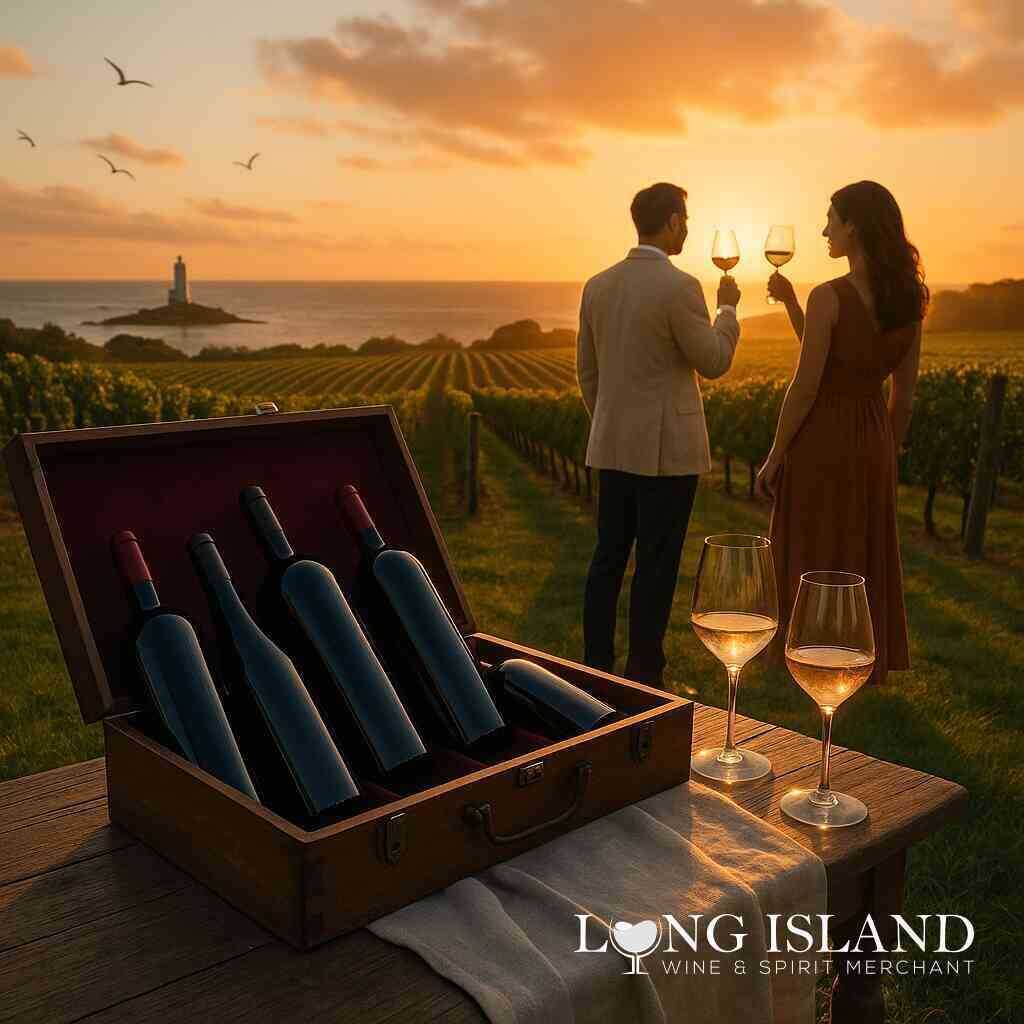
The North Fork’s maritime climate produces grapes with striking balance, and a well–curated shop can turn that natural advantage into unforgettable bottles on your table. This guide looks at how Long Island Wine & Spirit Merchant pairs local terroir with a global outlook, the range of styles you can expect to find, and the modern services that place each selection within easy reach.
Long Island Terroir: Where Ocean Breezes Meet Sandy Loam
- Cooling influence: Gentle Atlantic winds lengthen the growing season, letting cabernet franc and chardonnay ripen slowly while retaining acidity.
- Drainage advantage: Sandy, gravel-rich soils prevent water-logging, encouraging deep roots and concentrated fruit.
- Micro-climate diversity: Slight shifts in elevation or proximity to the Sound create pockets that favor everything from aromatic sauvignon blanc to structured merlot.
Growers translate these conditions into wines with clean fruit definition, moderate alcohol, and food-friendly freshness—traits shoppers often taste even before they notice the label says “Long Island.”
Curated Shelves: Local Roots, Global Reach
At Long Island Wine & Spirit Merchant, hometown bottlings share space with renowned estates from Napa, Rioja, and the Mosel. The buying team keeps relationships tight with producers, so limited allocations frequently arrive here first. That means you might spot a small-lot Long Island pét-nat next to a cellar-worthy Brunello di Montalcino on the very same rack.
What makes the cut?
- Authenticity: Wines must speak clearly of variety and place.
- Craftsmanship: Preference goes to estates practicing low-intervention vinification, native yeast fermentations, or sustainable farming.
- Intrinsic value: Price and quality align, whether the bottle costs $15 for weeknight pizza or $150 for an anniversary magnum.
The result is exploration without compromise—new discoveries sit comfortably beside trusted standbys, giving shoppers a passport’s worth of flavor in one location.
Style Spotlight: Sweet Reds, Rosé, and Beyond
Different moments call for different pours. Three categories consistently win attention in 2026:
Sweet Red Wine
Plush blackberry, cocoa dust, and gentle spice make sweet reds an inviting bridge for newer enthusiasts. Look for naturally sweet examples where residual sugar balances well with acidity, keeping the finish lively instead of cloying. Pairs surprisingly well with smoky ribs or flourless chocolate cake.
Intentional Rosé
Serious rosé is not an after-thought. Grapes are harvested specifically for pink wine, yielding vibrant strawberry, watermelon, and a hint of saline minerality. Chill lightly (about 50 °F) and enjoy alongside lobster rolls or Mediterranean salads.
Dry Whites for Seafood Nights
Local shellfish begs for crisp sauvignon blanc or steel-aged chardonnay. Expect notes of Meyer lemon, green apple, and subtle herb. High natural acidity scrubs the palate clean between briny bites.
From Storefront to Doorstep: Convenience Refined
An expansive portfolio matters only if bottles are easy to access. The Merchant addresses that in three ways:
- Same-day local courier: Residents searching for “alcohol delivery near me” can receive wine or spirits within hours, chilled if requested.
- Nationwide shipping: Orders travel in temperature-controlled packaging approved for all 50 states. Even delicate white Burgundy arrives pristine.
- Real-time inventory: Online stock updates every few minutes, so the phrase “liquor store open” truly reflects what is available right now.
Whether it is a single bottle of small-batch bourbon or a full case for holiday hosting, each parcel gets the same protective handling you would expect from a sommelier passing a prized library selection across a linen-draped table.
Personal Flavor Mapping: The Interactive Quiz
Selecting wine becomes simpler—and more fun—through the shop’s digital taste quiz. After a quick set of sensory questions (think aroma preferences, sweetness tolerance, food matches), the tool creates a customized flavor map. Shoppers receive:
- A short list of bottles currently in stock that align with their profile.
- Tasting-note explanations in plain English.
- Suggested pairings for weeknight meals and special occasions.
Results update over time, so as your palate shifts toward, say, drier riesling or bolder syrah, the recommendations evolve with you.
Five Practical Tips for Choosing Your Next Bottle
- Match weight with dish: Light seafood works best with crisp whites; hearty stews welcome robust reds.
- Consider sweetness carefully: A touch of residual sugar can tame spicy cuisine; bone-dry wines may taste sharper alongside heat.
- Age matters: Fresh, fruit-forward styles thrive young, while structured cabernets improve after a few years of rest.
- Ask about bottle sizes: Magnums age more slowly and pour efficiently for gatherings; splits offer portion control for Tuesday night.
- Trust your senses: Color, aroma, and initial sip reveal more than the price tag. If it delights you, it is the right choice.
Final Sip: Why the Merchant Stands Out
Long Island Wine & Spirit Merchant blends local pride with worldwide perspective. Expert curation, transparent service, and interactive education create an environment where both casual drinkers and devoted collectors can thrive. From the maritime vineyards of the North Fork to the storied hills of Piedmont, the diversity on offer invites continuous exploration—one thoughtfully chosen bottle at a time.
Fine Wine Excellence at Long Island Wine & Spirit Merchant


Comments
Post a Comment