Long Island Craft Beer: Commack’s Fresh, Local Revolution
Opening the Tap on Long Island’s New Beer Energy
Long Island has always been proud of its clam shacks and wineries. In 2026 another scene is reaching full boil: small-batch beer. Nowhere is that energy clearer than in Commack, where Long Island Alcohol Store curates a rotating cast of kegs, crowlers and collaboration bottles that rarely appear beyond Suffolk and Nassau.
This overview looks at the strategies, flavors and sustainability moves shaping the Island’s current craft-beer wave.
1. Commack as the Brewer’s Crossroads
Commack sits at the intersection of the Northern State, Jericho Turnpike and two farm belts. The location makes it easy for brewers, hop growers and homebrew clubs to meet, drop samples and trade feedback. Long Island Alcohol Store leans into that geography by acting as a “beta-tap” laboratory:
- New nanobreweries can pour a single keg and watch sales in real time.
- Staff record customer comments, then pass anonymized notes back to the brewer within 48 hours.
- Successful pilots often move straight to canned four-packs or statewide distribution.
Because data replaces guesswork, producers cut risk while drinkers enjoy first access to experimental pilsners, coffee Kölsches and peppercorn witbiers.
2. Home-Grown Hops, Home-Town Flavor
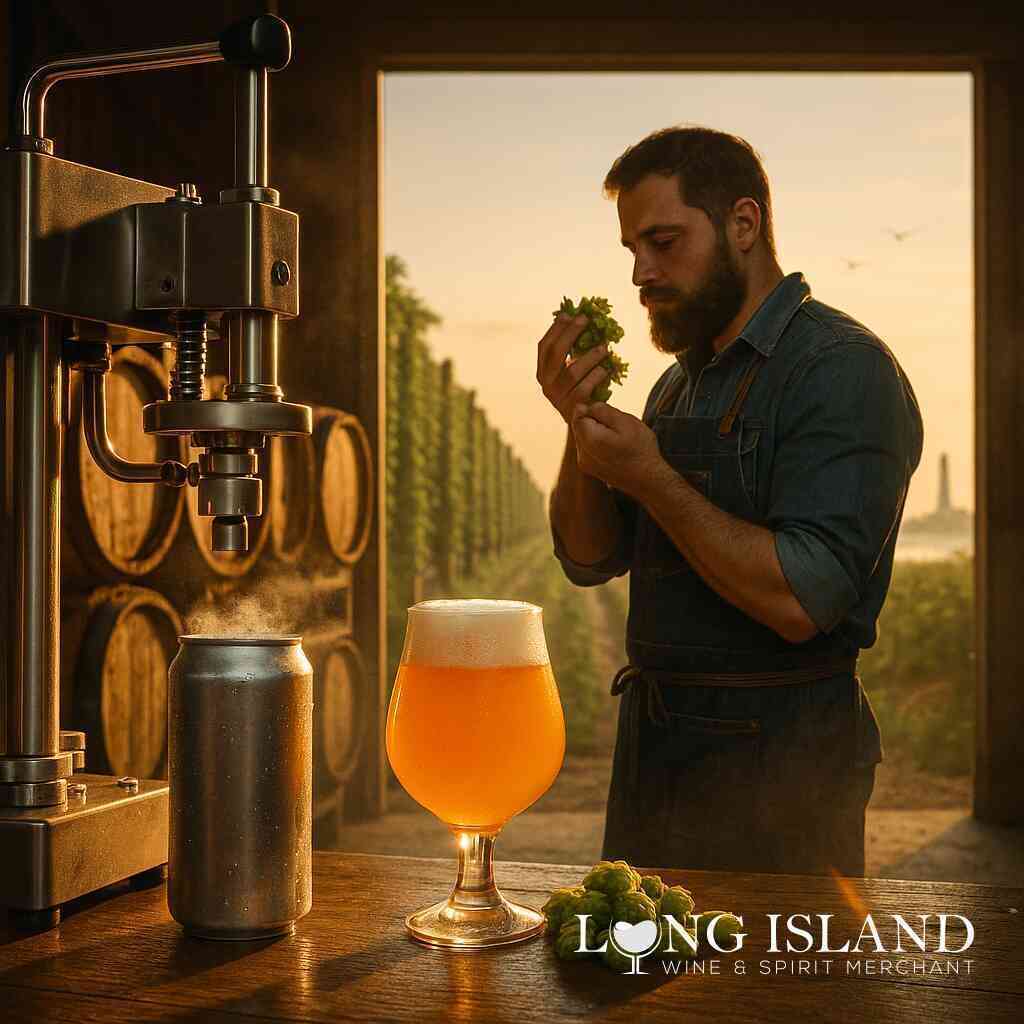
Until recently most Long Island breweries purchased hops from the Pacific Northwest. Local farmers, however, have been testing varietals adapted to sandy soils and ocean winds. The result is a trio of cones now seen on tap lists:
- Montauk Citrus – bright lime and grapefruit.
- Peconic Pine – gentle resin and sea-salt snap.
- Brookhaven Breeze – soft stone fruit with a mineral edge.
Batches dry-hopped with these cones show noticeably fresher aroma at the store’s tasting bar; none have traveled more than 70 miles. Consumers recognize the difference and often request the harvest date before ordering—a sign that terroir is finally part of East-End beer culture.
How Brewers Are Using the New Cones
- Hazy IPAs keep their juicy profile but gain a delicate saline finish that pairs well with raw oysters.
- Farmhouse ales pick up gentle citrus without overshadowing mixed-culture funk.
- Session lagers benefit from subtler bitterness, allowing malt sweetness to shine.
3. Sustainability From Field to Fermenter
Environmental discipline is more than a marketing line; it is increasingly a cost saver. On Long Island the most common brewery initiatives include:
- Heat-recapture systems that pre-warm brewing water using heat from the boil kettle.
- Spent-grain partnerships with nearby cattle and pig farmers. Brewers avoid disposal fees while farms receive protein-rich feed.
- Keg-first packaging for local accounts. Stainless refills cut single-use glass and lighten delivery loads.
- Electric vans for neighborhood drops, keeping delivery emissions lower even during the summer tourism rush.
Long Island Alcohol Store highlights these practices on shelf talkers so customers can connect beverage choices to climate impact.
4. Why Two Very Different Styles Dominate Sales
Island palates show a clear split: deep, contemplative stouts for cool nights and easy-going pales for beach weather.
Barrel-Aged Stouts
Barrels once filled with bourbon, rye or rum deliver vanilla, coconut and oak to dense imperial bases. When a fresh batch lands at the Commack shop, staff often stage micro-pairings:
- Local oyster Rockefeller – the stout’s caramel notes accent briny mollusks.
- Chocolate lava cake from a Huntington bakery – roasted malt draws out the dessert’s cocoa.
Sessionable Pale Ales
On humid August afternoons even a 6 % IPA can feel heavy. Brewers therefore keep ABV near 4.5 % while dry-hopping aggressively. The payoff is crisp refreshment that still satisfies hop heads. Popular pairings include grilled shrimp, tomato-basil salads and porch conversation.
5. Inside the Store’s “Beer Lab”
Long Island Alcohol Store redesigned part of its Commack floor plan into a mini R&D bar featuring:
- Eight constantly rotating lines. No beer remains on tap longer than seven days.
- Crowler station. Staff purge each 32-ounce can with CO₂, fill straight from the faucet and seam instantly, locking in aroma for 3–4 days if kept cold.
- Data wall. A digital board updates live with pour counts, average drinker rating and whether a brew will return.
These mechanics empower brewers to iterate quickly and give customers the thrill of discovery. Many arrive each Friday simply to see what is new.
6. Collaboration Culture Spreading Island-Wide
Competition exists, but camaraderie still leads the market. Recent cooperative efforts include:
- North Fork vines meet South Shore yeast – a grape-must saison aged in chardonnay barrels.
- Port Jefferson coffee porter – roasted at a single-origin café three blocks from the brewhouse.
- Seasonal charity lager – one dollar per pint for marine habitat restoration.
Each project debuts at the Commack store, reinforcing its role as neutral ground where diverse breweries can showcase collective skill.
7. Practical Tips for Exploring the Scene
- Go early on release days. Small runs often sell out by evening.
- Use crowlers for freshness. They travel better than growlers and fit in standard refrigerators.
- Ask staff about hop origin. Many beers list the farm on the tap handle.
- Mix statewide and hyper-local. Comparing the two is an easy way to learn how distance influences flavor.
Closing Thoughts
Commack’s beer surge is not a trend chased from larger cities—it is a local response to fertile land, curious drinkers and merchants willing to act as innovation partners. Whether you favor a briny-bright pale ale or a rum-kissed stout, the Long Island Alcohol Store offers a snapshot of where small-batch brewing stands today and where it may head tomorrow.
Stop by, taste something unfamiliar, and discover how the Island’s soils and seas are reshaping the flavors in your glass.
Exploring Long Island Alcohol Store's Innovations in Craft Beer


Comments
Post a Comment