Long Island Artisan Wine Evolution: Climate, Soil, Craft
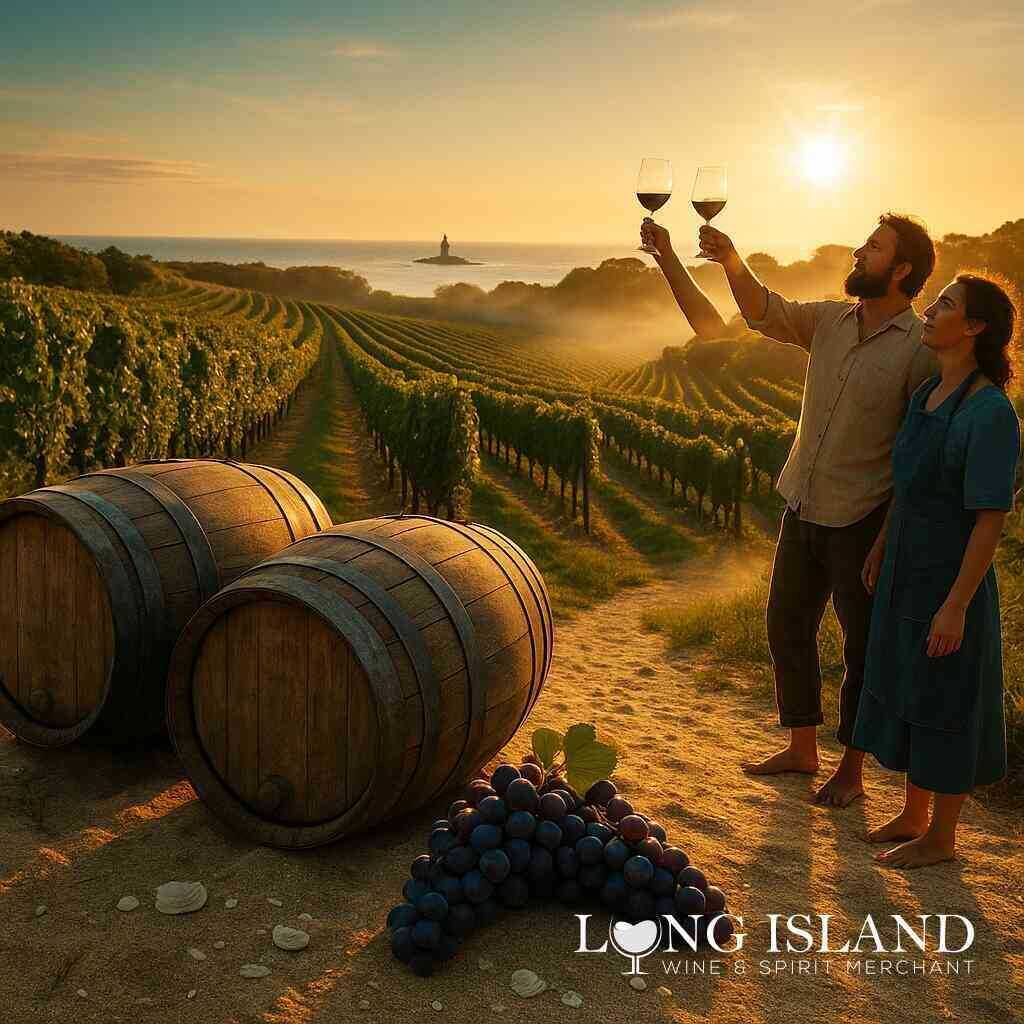
Long Island artisan wines have transformed from experimental plantings in former potato fields to internationally respected bottlings. This overview explains how maritime climate, glacial soils, and devoted growers shaped that evolution and why every sip still carries a taste of the Atlantic.
A Brief Timeline of Transformation
In the early 1970s a handful of North Fork farmers converted sandy loam once reserved for root vegetables into vineyards. They believed the moderating influence of Long Island Sound and the Atlantic could mimic conditions in Bordeaux and Burgundy. Humid summers, hurricanes, and unfamiliar grape diseases forced rapid learning, yet each challenge sharpened local know-how. Within a decade merlot, cabernet franc, and chardonnay from the region began winning blind tastings. Today more than sixty producers bottle estate wines that regularly appear on Michelin-starred lists.
Key milestones:
- 1973: first commercial harvest; immediate attention from New York City restaurants
- 1980s: cooperative research stations introduce canopy-management protocols to combat humidity
- 1990s: adoption of sustainable spray programs reduces chemical inputs
- 2010s: precision viticulture—drones, sap flow sensors, and soil mapping—arrives in the vines
- 2020s: experimentation with Albariño, Grüner Veltliner, and pét-nat styles broadens the portfolio
Why Maritime Climate Matters
Water on three sides grants Long Island the longest growing season in the Northeast, roughly 210 frost-free days. Warm days push ripeness; cool nights lock in acidity. Breezes wick moisture from leaves after summer rain, lowering disease pressure and allowing lower-alcohol, balanced wines.
Typical climatic advantages:
- Even ripening of late-season reds like cabernet sauvignon
- Natural retention of vibrant acidity in sauvignon blanc and sparkling cuvées
- Subtle saline undertone that complements shellfish and summer produce
Storms remain a fact of life, so growers hedge their bets with diverse rootstocks and meticulous canopy design that promotes air flow. The result is resilience bottled.
Soil: The Silent Partner
Glaciers left a complex patchwork of gravel, sand, clay, and marine shells. Drainage properties shift dramatically over a few meters, encouraging growers to match variety and clone to each block.
North Fork highlights
- River gravel lenses concentrate tannin and color in merlot
- Marine-shell deposits raise calcium, sharpening the line of chardonnay
South Fork (Hamptons) highlights
- Finer sand over clay builds aromatic lift into sauvignon blanc
- Cooler ocean influence keeps alcohol in check for elegant rosé
Because terroir can change row by row, precision soil mapping has become standard practice. Vines are now irrigated, hedged, or cover-cropped according to zone rather than vineyard average.
Signature Varieties and Styles
- Merlot: Plush red fruit, subtle graphite, medium tannin. Oak aging is typically restrained to preserve freshness.
- Cabernet Franc: Peppery, floral, light on its feet; often the region’s most transparent expression of site.
- Chardonnay: Styles range from lean, stainless-steel bottlings with oyster-shell minerality to richer versions aged on lees.
- Sauvignon Blanc: Grapefruit, lime zest, and a hint of sea spray; favored for raw bar pairings.
- Traditional-method Sparkling: High acidity and low pH make the base wine ideal for long tirage aging, yielding brioche and green apple notes.
Experimental plantings of Mediterranean and Alpine grapes—think Vermentino, Teroldego, even Nebbiolo—are beginning to appear in micro-releases, hinting at the next chapter.
Sustainability at the Forefront
Island growers were early adopters of integrated pest management because high land values and proximity to waterways demand stewardship. Current best practices include:
- Drip irrigation fed by captured rainwater
- Fungus-resistant hybrids in experimental blocks, reducing copper sprays
- Composting pomace for vineyard nutrients
- Lightweight glass bottles and on-site solar arrays to shrink carbon footprint
Several estates are now certified sustainable or organic, and a regional task force is working toward a unified certification to help consumers recognize responsible producers.
Visiting and Tasting Tips
Planning a tasting route? Keep driving distances in mind; the North Fork runs east-west, so grouping nearby estates saves time. Aim for no more than three stops a day to avoid palate fatigue.
At the bar:
- Start with whites and sparklers to calibrate your senses.
- Ask to taste the same variety from different blocks if available; you will literally taste soil differences.
- If you buy a bottle, consider cellaring merlot and cabernet franc for five to eight years; acidity and tannin reward patience.
For a home tasting, pick one North Fork merlot, one Hamptons chardonnay, and one experimental white. Serve at 55–60 °F and use universal stemware. Take notes on fruit character, structure, and any saline impression. You will build a sensory map of the region without leaving your kitchen.
Looking Ahead
Climate change poses both risk and opportunity. Warmer summers make ripening easier, yet sea-level rise threatens low-lying parcels. Growers are testing drought-tolerant rootstocks, shade cloth, and even floating solar pumps. Expect crisper styles to stay, but riper reds and Mediterranean whites may become more common by the next decade.
Final Thoughts
The story of Long Island artisan wine is one of adaptation: from potatoes to pinot blanc, from hurricanes to hand-harvested grapes, and from local curiosity to global respect. Understanding the interplay of climate, soil, and human craft adds depth to every swirl. The next time you pour a glass, listen for the quiet echo of the Atlantic and the perseverance of the farmers who turned coastal sand into liquid narrative.
Understanding the Evolution of Long Island Artisan Wines


Comments
Post a Comment