Long Island Alcohol Store: Crafting Your Custom Wine Journey
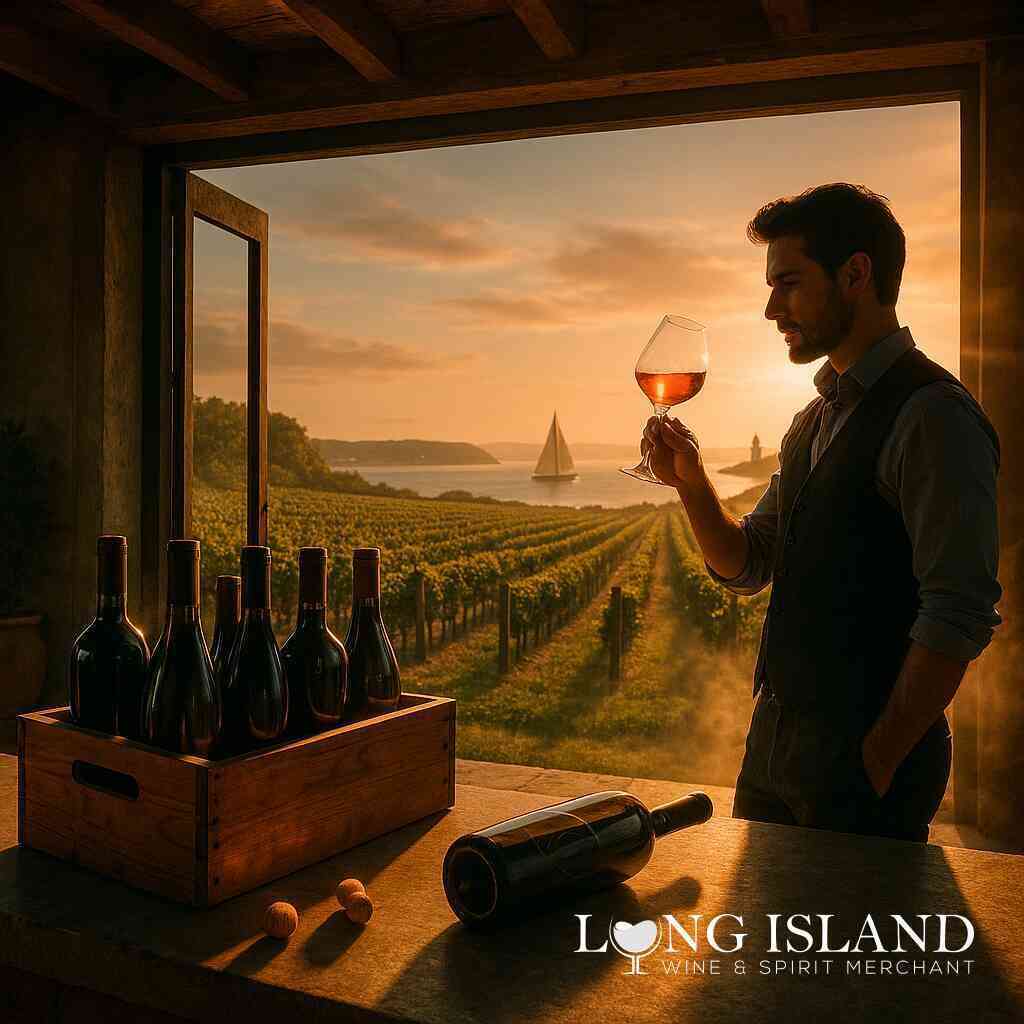
The Secret Behind a Tailored Wine Buy
Long Island Alcohol Store in Commack looks like a friendly neighborhood shop, yet it operates with the precision of a national wine concierge. Walk in for a bottle of weeknight Merlot and you leave with a personalized plan that can ship coast-to-coast. This guide unpacks how the team turns a simple search for “alcohol near me” into a custom wine experience.
From Local Counter to Nationwide Cellar Service
A few details set the store apart:
- Real-time inventory – The point-of-sale system updates online and in-store at the same moment, so a rare North Fork Cabernet you spot on your phone is actually on the shelf.
- Licensed shipping to all 50 states – Temperature-controlled carriers move wine, whiskey, gin, and ready-to-drink cocktails without surprise hold-ups.
- Human guidance – Instead of algorithm-only suggestions, every order is reviewed by a sommelier who adjusts the selection if something better suits your stated taste.
The result is small-town service backed by big-city logistics.
Building a Personal Flavor Map
The process starts with a five-minute palate quiz. It asks about foods you crave, coffee strength, even preferred vacation climates. Behind the scenes, the answers feed an algorithm refined by decades of floor sales and tasting notes. The output is a flavor DNA profile that tags you, for example, as “Medium-Body, Earth-Driven, Low Oak.”
Why does this matter? Because a broad label like Pinot Noir lover still leaves huge gaps. You might detest smoke but adore forest floor aromas. The profile narrows those nuances so recommendations hit closer to home from the first shipment.
What the quiz measures
- Sweetness tolerance
- Tannin sensitivity
- Texture preference (crisp versus round)
- Aroma triggers such as citrus, herbs, or baking spice
- Food pairing habits and cooking styles
Curating Bottles That Speak of Place
Long Island’s maritime climate yields wines with bright acidity, moderate alcohol, and saline nuance. Staff leverage those traits when selecting imports so the lineup feels coherent rather than chaotic.
North Fork Merlot appears beside Left-Bank Bordeaux to demonstrate how sea breezes shape structure on both sides of the Atlantic. A Hawke’s Bay Syrah shows similar pepper notes to a Hamptons Cabernet Franc. By anchoring each shelf with a local reference point, shoppers taste terroir rather than memorizing grape charts.
Spotlight on sustainable picks
Environmental stewardship is another filter. Buyers prioritize:
- Certified organic vineyards
- Minimal-intervention fermentations
- Carbon-neutral shipping programs
- Lightweight glass to lower transport emissions
You receive cleaner expressions of fruit and a story worth sharing at the dinner table.
Rosé Season Done the Coastal Way
From May through early fall, the store leans into dry rosé. Typical tasting notes include wild strawberry, white peach, and a salty snap that matches local shellfish. Staff suggest serving temperatures around 50 °F and recommend tulip-shaped white-wine stems to concentrate aromatics.
For casual gatherings, they often propose a rosé spritz formula:
- Three ounces chilled rosé
- One ounce dry vermouth
- Top with sparkling water
- Garnish with a basil leaf or grapefruit twist
The technique keeps alcohol low and freshness high—ideal for beach or boat days.
Turning a Case Into a Classroom
Every curated case ships with:
- Brief producer bios
- Region maps
- Tasting prompts (“note how the acidity lengthens the finish”)
- Simple recipe matchups
Even long-time collectors appreciate the refresher, while newcomers gain confidence quickly. The store also invites local customers to 15-minute bench tastings that compare, say, an amphora-aged Orange Wine from Long Island with a Georgian skin-contact Rkatsiteli. Short sessions, big learning.
Practical Tips for Your First Order
- Take the quiz honestly. If you crave sweet coffee, say so. The algorithm corrects for preference without judgment.
- Start with a mixed six-pack. It balances value and variety, giving clear feedback on what you enjoy.
- Use the tasting cards. Jot quick notes—liked the floral nose, wanted more body. Those comments refine future picks.
- Factor in food habits. Grilling lots of seafood? Mention it. The team can weave in Albariño or Vermentino that shines with brine.
- Revisit the quiz yearly. Palates evolve, and so do available vintages.
Beyond Wine: Spirits and Gifting
While the wine program garners headlines, the spirits wall is equally curated. Expect single-barrel bourbons, Long Island potato vodka, and limited-run agave blends. Custom engraving turns a special bottle into a keepsake, and gift packaging follows shipping rules for every state.
Why It Works in 2026
Consumers now value convenience and authenticity. Many e-commerce giants manage speed but miss the human touch. Boutique tasting rooms offer charm but not scale. Long Island Alcohol Store bridges that gap with data-driven curation and genuine hospitality.
When your shipment arrives, you are not staring at random bottles you hope to like. Instead, each label has a purpose rooted in your flavor profile and the region’s coastal heritage. That alignment is the hallmark of a true custom wine journey.
Exploring wine should feel welcoming, not overwhelming. A local shop that listens, teaches, and delivers nationally keeps the joy in every pour. In the crowded beverage landscape of 2026, that balance of expertise and accessibility is harder to find—and more valuable than ever.
How Long Island Alcohol Store Guides Your Custom Wine Experience


Comments
Post a Comment