Inside Long Island Liquor Store's Secret Wine Curation
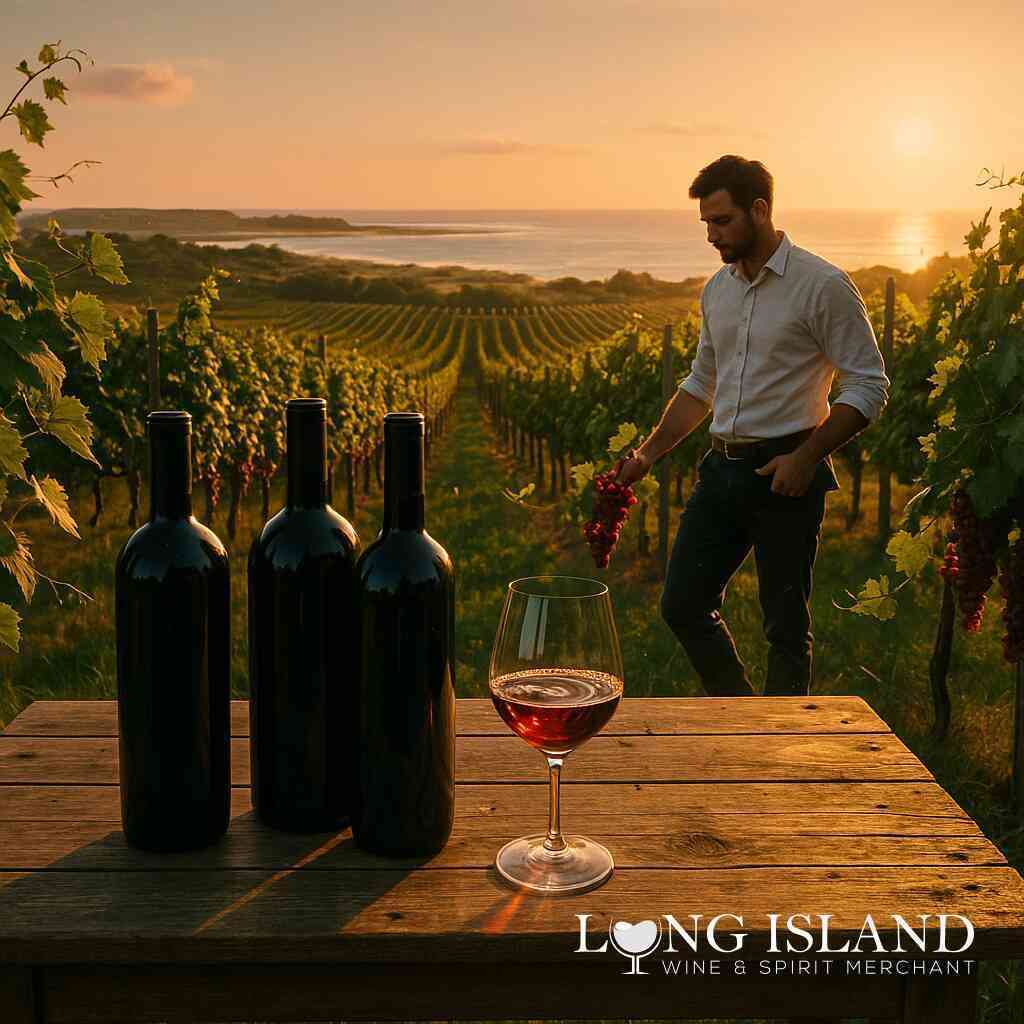
Long Island Liquor Store in Commack has built a following for a wine wall that always seems one step ahead of trends. This overview breaks down the quiet systems, local knowledge, and service mindset that turn an ordinary retail space into a destination for curious drinkers across the country.
1. Grounding Every Choice in Long Island Terroir
Long Island’s North Fork and South Fork share a maritime climate that is rare on the U.S. East Coast. Warm Gulf Stream currents meet cool Atlantic breezes, creating a long, steady growing season. Winemakers in this zone talk about pronounced diurnal shift—warm days, cool nights—that locks bright acidity into the grapes. The store’s buyers lean on that signature when choosing bottles for the shelf. Wines that showcase saline minerality, delicate herbal notes, and a balanced backbone of acid make the cut because they taste unmistakably coastal.
Key takeaway
If a chardonnay or merlot feels like it could have come from anywhere, it likely will not earn space in Commack. Authentic regional character acts as a filter before price, label design, or critic scores enter the conversation.
2. Field Work Over Desk Work
Climate data is useful, but buyers also lace up boots and visit vineyards in person. Walking rows during veraison, tasting berries, and speaking with growers offers insight a laboratory cannot. Those visits uncover details such as limited-production lots fermented with wild yeast, or cabernet franc blocks managed with regenerative cover crops. notes from the field feed a private database against which every sample is blind-tasted later.
How the tasting panel operates
- Samples are poured without showing bottle or producer.
- Panelists rank aroma, palate weight, finish length, and perceived aging potential.
- Only wines scoring above the internal benchmark and telling a clear place-driven story move forward.
3. Balancing Familiar Comfort and Exploratory Finds
A neighborhood shop must stock names shoppers recognize—Chianti, Napa cabernet, Champagne—but Long Island Liquor Store layers in unexpected picks that nudge palates forward.
Comfort corner
- Reliable weeknight whites such as Marlborough sauvignon blanc.
- Domestic pinot noir priced for casual dinners.
- Tried-and-true prosecco for effortless celebrations.
Exploration shelf
- Skin-contact grüner veltliner from a family estate on the North Fork.
- Organic malbec aged in clay amphora, showing zero new oak.
- Pet-nat rosé bottled with minimal sulfur for a delicate sparkle.
By presenting both lanes side by side, staff can encourage a small leap: “If you enjoy that Sonoma chardonnay, this steel-fermented North Fork version offers similar fruit but brighter acidity.” The approach respects comfort while rewarding curiosity.
4. Education as Customer Service, Not Sales Tactic
Associates complete ongoing in-house workshops that cover tasting technique, regional history, and food pairing fundamentals. Yet the floor tone stays conversational rather than lecture-heavy. The goal is to translate technical information—pH, tannin structure, neutral barrel regimes—into language that helps shoppers picture how a wine will feel with dinner.
In-store tastings underscore this commitment. A recent session lined up three merlots: one from the Hamptons, one from Bordeaux, and one from Washington State. Guests could contrast maritime versus inland climates firsthand. Such experiences build palate memory and trust, reinforcing that the store’s suggestions stem from genuine enthusiasm, not inventory pressure.
5. Logistics: A Commack Advantage Becomes National Reach
Commack sits minutes from major highways intersecting Long Island. The store receives early-morning deliveries from East End wineries, inspects the pallets, and can dispatch properly packed cases to any U.S. address the same afternoon. Temperature-controlled storage on site protects sensitive bottles until a weather-safe shipping window opens.
For local residents, that same infrastructure means quick delivery or easy pickup after work. For remote shoppers, it means North Fork cabernet franc arrives in Oregon or Florida tasting exactly as intended. Behind the scenes, an investment in insulated shippers, gel packs, and route mapping preserves quality beyond the county line.
6. Supporting Small Producers While Protecting Price Integrity
Limited-production wineries often struggle to reach new markets without ceding steep margins to large distributors. Long Island Liquor Store’s purchasing team negotiates directly, committing to case volumes that keep producer cash flow healthy while holding retail pricing steady. The arrangement benefits all parties:
- Vintners maintain brand identity and sustainable farming budgets.
- Shoppers access bottles normally reserved for club members or tasting rooms.
- The store differentiates itself without resorting to deep discounts that devalue the work.
7. Tips for Shoppers Navigating the Shelves
- Start with a region you know, then ask staff for a local analogue. If you love Sonoma Coast pinot, a Long Island cabernet franc could surprise you.
- Check the seasonal endcap. The lineup rotates to mirror what is happening in the vineyards—crisp whites in early summer, mellow reds as temperatures dip.
- Attend a free tasting when possible. Comparing wines side by side accelerates palate training faster than reading tasting notes at home.
- Do not fear the “staff pick” label. It usually signals a bottle that over-delivers for the price or tells a compelling sustainability story.
8. The Quiet Formula Summarized
- Respect the land: choose wines that express Suffolk County’s maritime climate.
- Trust the senses: rely on blind tasting and on-site vineyard visits over marketing claims.
- Teach, do not preach: empower customers through approachable education.
- Marry craft and commerce: support small producers without inflating shelf prices.
- Leverage geography: use Commack’s hub status to maintain freshness from vine to doorstep.
Final Thoughts
What looks like an eclectic wine aisle is actually the product of soil analysis, field work, sensory science, and old-fashioned hospitality. By blending terroir respect with modern logistics, Long Island Liquor Store ensures each bottle—whether a North Fork chenin blanc or a biodynamic Rioja—arrives ready to tell its story. That combination of authenticity and consistency is the real secret behind the selections, and it is why a small corner of Suffolk County continues to shape wine nights from Montauk to Monterey.
What Is the Secret Behind Long Island Liquor Store's Wine Selections


Comments
Post a Comment