Innovative Spirits Trends Shaping Suffolk County Shelves
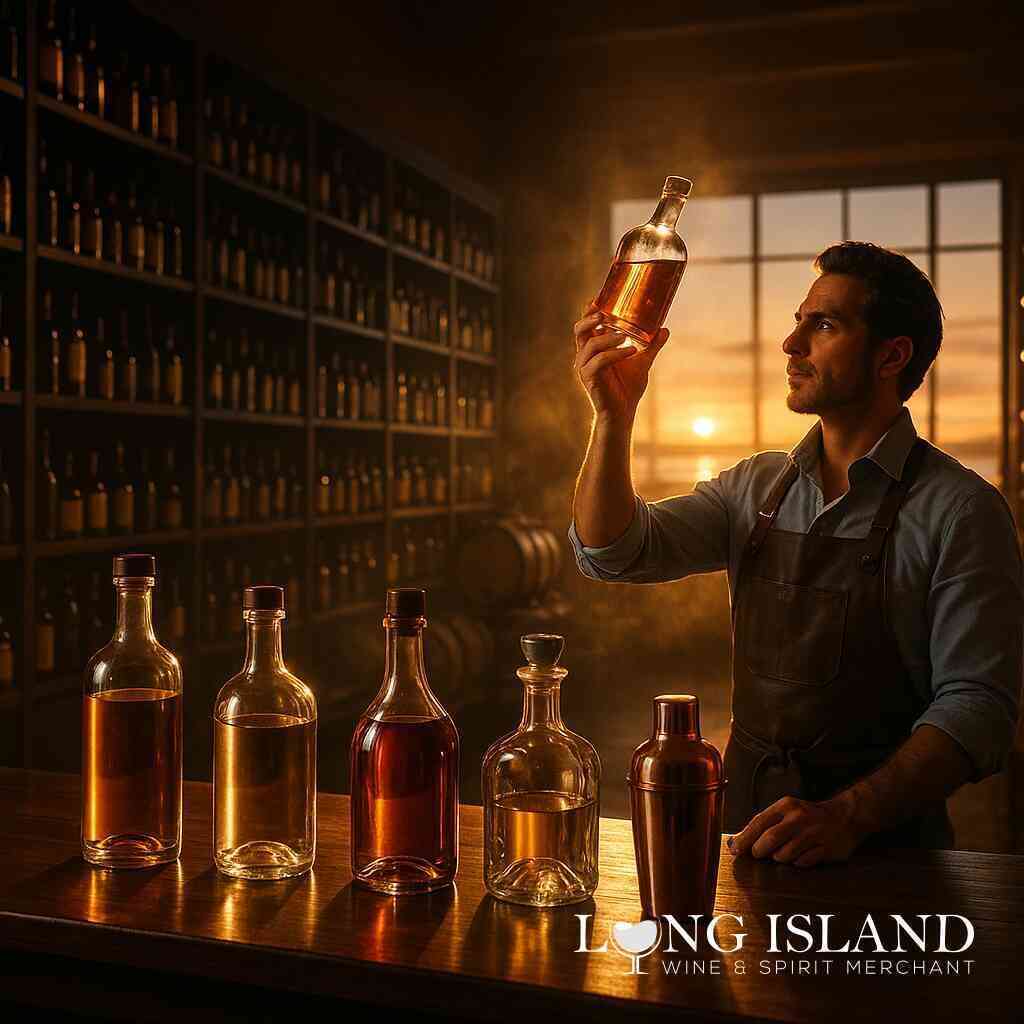
Welcome to the Flavor Frontier
Curious about how a local liquor store in Commack has become a laboratory for the most forward-thinking bottles in 2026? This overview highlights the top innovative trends redefining spirits across Suffolk County and explains why shoppers, bartenders, and collectors alike keep a close eye on Long Island’s dynamic shelves.
1. Nano-Distillery Collaborations
Micro-batch production is no longer a niche pursuit. Island distillers now run five- to ten-gallon experimental runs that focus on single botanicals or unconventional wood programs. Because output is tiny, each batch disappears quickly—yet the flavors linger in memory. A few notable patterns are emerging:
- Juniper reimagined with foraged beach plum, creating a sweet-tart gin twist.
- Coastal thyme and sea salt used to accentuate briny martini profiles.
- Barrel finishing in Syrah or peated-whisky casks, lending wine-like tannins or gentle smoke.
The store team tastes every release, runs lab-style note sessions, and decides which expressions earn shelf space. Clear tasting cards next to the bottles outline key botanicals, ABV, and recommended serves so even casual explorers can make confident picks.
2. Smoke—Beyond Peated Scotch
Smoke has become a textural element rather than a blunt flavor hammer. Suffolk County bartenders lean on mezcal, cedar-aged cachaça, and mesquite-finished rye to add layering without overwhelming the palate. To support that trend, the store now dedicates an entire bay to “aromatic smoke,” grouping:
- Espadín mezcal rested in acacia barrels for a faint vanilla BBQ finish.
- Beechwood-smoked corn whiskey that plays well in Manhattans.
- Tequila subtly infused with smoked sea salt, popular for Palomas.
Customers can sample quarter-ounce pours on tasting days, comparing how different wood sources shift the aroma. That side-by-side context demystifies the category and encourages experimentation at home.
3. Low-ABV, High-Flavor Options
Wellness-minded drinkers want the ritual of a cocktail with less alcohol. Producers now craft fruit-forward cognac at 30 percent ABV, lily-root aperitivo hovering around 18 percent, and ready-to-drink spritzes under 8 percent. Key reasons this segment keeps growing:
- Sipping strength aligns with weekday dinners.
- Bright botanical profiles stand up to food without fatigue.
- RTD cans chill quickly for beach or boat outings.
The store merchandises these cans in refrigerated endcaps so they land in carts as “impulse upgrades” to ordinary seltzer. Quick-scan QR codes reveal sugar content and suggested glassware, reinforcing transparency.
4. Cask-Strength, No-Compromise Whiskey
At the opposite end of the spectrum, cask-strength releases still headline collector circles. Rather than relying solely on Kentucky freight, local barrel rooms in Riverhead and Patchogue fill new char oak with malt or rye, then bottle straight from the wood. Typical proofs sit above 115, but finishing choices add surprising finesse:
- Ocean-aged bourbon rocked on Long Island ferries for gentle caramel saline notes.
- Heritage rye rested in cedar, bringing sandalwood lift.
- Malt whiskey given one-year calm in oloroso sherry butts to evoke raisin bread and baking spice.
Monthly barrel-pick events invite customers to taste through three to five samples and vote on the final selection. Bottles arrive etched with the pick number, turning every purchase into a keepsake.
5. Flavor-First Shelf Organization
Innovation only matters if shoppers can actually find the right bottle. Instead of the traditional layout by country or price tier, the Commack store now groups spirits by dominant flavor driver: bright citrus, herbal earth, delicate smoke, or dessert-sweet. Benefits of that structure include:
- Faster discovery for newcomers who “know the taste” but not the category.
- Easier upsell from basic vodka to nuanced botanical gin.
- Space for weekly spotlights on limited releases, keeping the aisle fresh.
Staff training centers on descriptive language—think “dried basil finish” or “brown-butter richness”—so team members can translate adventurous labels into plain English.
6. Tech-Enhanced Service
Beyond the physical shelves, digital tools smooth the journey:
- AI-powered chat on the website offers pairing ideas and substitutes if a bottle sells out.
- Overnight local delivery preserves cold-chain integrity for nitro espresso martini cans.
- A whiskey club notification system texts members when cask allocations hit the loading dock.
These upgrades keep the store nimble, especially during Nor’easter season when travel is tricky but celebrations continue indoors.
7. Education as Entertainment
Tasting flights compare locally sourced botanical vodka with imported citrus-led alternatives, helping guests articulate preferences. Short in-store workshops cover topics such as “How to Read a Rum Label” or “Building a Balanced Low-ABV Spritz.” Because class size stays under a dozen, dialogue feels intimate, and attendees often leave with newfound enthusiasm—plus a personalized shopping list.
8. Sustainability and Storytelling
Increasingly, Suffolk County drinkers want transparency around grain sourcing, energy use, and packaging. Standout initiatives include:
- Distillers repurposing oyster shells from North Shore restaurants as filtration medium, yielding a mineral-clean vodka texture.
- Returnable glass programs where empties earn discounts on refills.
- QR-linked videos showing solar-powered stills and rainwater capture systems.
By showcasing these stories at the point of sale, the store empowers buyers to align purchases with personal values.
Final Thoughts
The spirits landscape in 2026 feels like a crossroads of science, craft, and local pride. Nano-distillery gins, smoke-layered agave, low-ABV aperitifs, and cask-strength rye all thrive side by side because the Commack community actively seeks novelty without sacrificing quality. With flavor-centric merchandising, tech-enhanced convenience, and a commitment to education, this Long Island retailer has transformed routine errands into flavorful adventures. Whether you are stocking a home bar or curating a restaurant list, Suffolk County’s shelves offer a front-row seat to what’s next in the glass. Cheers to exploration and the discoveries yet to come.
Top Innovative Trends in Spirits at Long Island Liquor Store in Suffolk County


Comments
Post a Comment