Innovative Chardonnay Selections: Styles, Regions & Tips
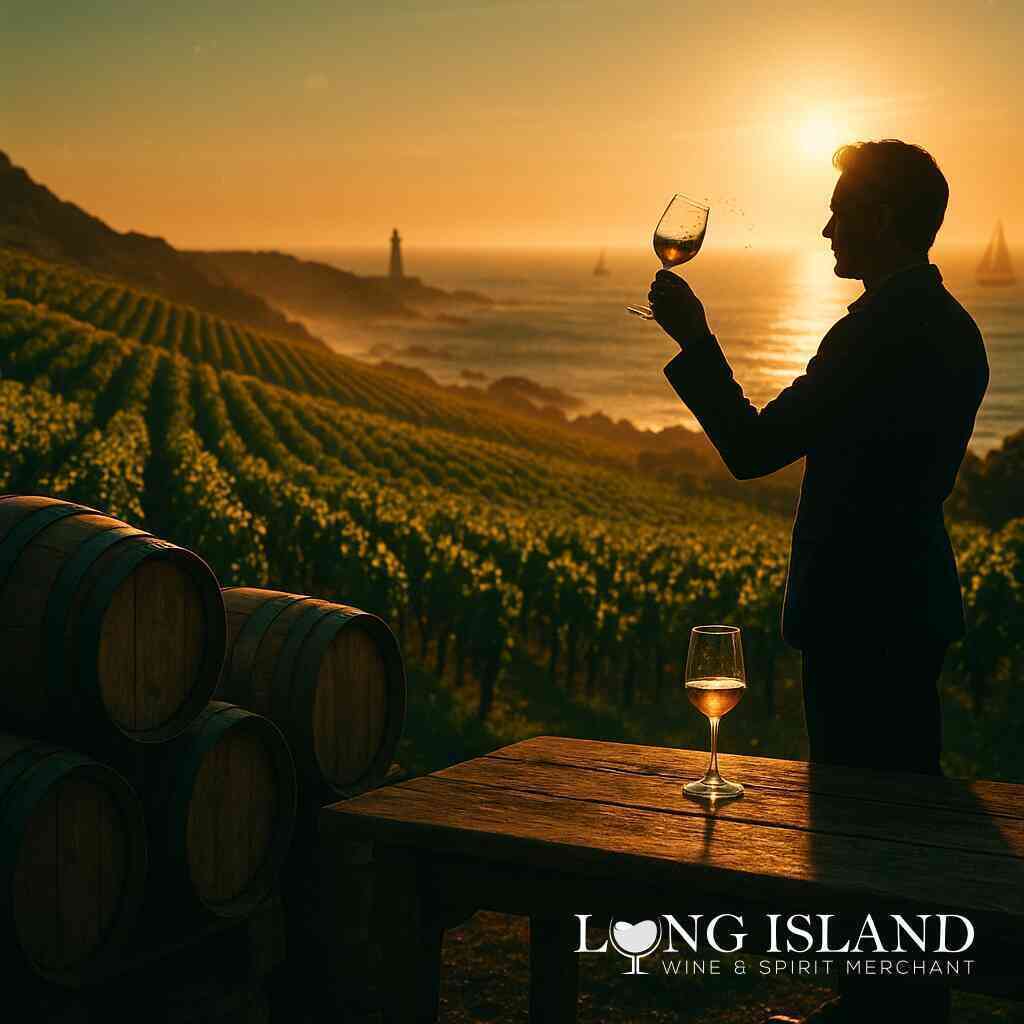
Explore Today’s Most Exciting Chardonnay
Chardonnay may be the world’s best-known white grape, yet it continues to surprise even seasoned wine lovers. Winemakers treat it like a blank canvas, shaping the fruit into lean, mineral-driven bottles or plush, creamy showpieces. This guide breaks down what drives those differences and how to spot a style that matches your taste.
Why Chardonnay Acts Like a Chameleon
Unlike highly aromatic grapes such as Riesling, Chardonnay carries a fairly neutral scent. That neutrality is a gift; it lets soil, climate, and cellar choices shine through.
- Climate – Cool vineyards preserve acidity, giving green apple, lemon zest, and wet-stone notes. Warmer sites ripen the fruit toward pineapple, mango, and baked pear.
- Fermentation Vessel – Stainless steel locks in crisp, pure fruit. Small oak barrels add vanilla, clove, and a rounder texture.
- Aging Choices – Leaving finished wine on its spent yeast (sur lie) adds brioche and a creamy mid-palate. Whether the wine completes malolactic conversion also matters; those secondary bacteria turn sharp malic acid into softer lactic acid, creating buttery or custard accents.
Because every decision leaves a fingerprint, one grape can deliver dozens of personalities on the same tasting flight.
The Crisp-Versus-Buttery Spectrum
When shoppers say they love or hate Chardonnay, they often react to its placement on a sliding scale:
| Style Marker | Crisp Expression | Buttery Expression |
|---|---|---|
| Fermentation | Stainless or concrete; low temp | Barrel; warmer temp |
| Malolactic | Little to none | Full or partial |
| Oak Contact | None or large neutral casks | New or lightly used barriques |
| Flavors | Lemon, green apple, brine | Baked apple, vanilla, hazelnut |
| Mouthfeel | Light, mouth-watering | Plush, creamy |
Understanding where a bottle sits on that spectrum removes the guesswork. Back labels and producer notes usually mention key terms like “unoaked,” “barrel fermented,” or “partial malo,” giving a reliable style preview.
Decoding the Common Chardonnay Terms
- Unoaked – Fermented and aged away from wood. Expect laser-focused acidity and clean fruit.
- Barrel Fermented – Juice goes directly into small barrels, knitting wood spice into the wine from day one.
- Sur Lie – Aged on lees for months. Adds bread dough aromas, broader texture, and subtle savoriness.
- Partial Malolactic – Winemaker stops the buttery conversion midway, striking a balance between zip and cream.
- Single Vineyard – Grapes come from a defined parcel, highlighting specific soils or micro-climates.
Cool-Climate Regions Worth Seeking Out
Chardonnay thrives wherever daytime sun meets cool evenings. The clash keeps sugars in check and lengthens hang time, building layered flavors without flabbiness.
Long Island, New York
Marine breezes from the Atlantic and Long Island Sound create a vibrant, saline edge. Wines lean toward Meyer lemon, green pear, and crushed shell minerality.
Petaluma Gap, California
Wind funnels through a coastal opening, driving fog inland and slowing ripening. The result is piercing acidity wrapped around white peach and kaffir lime.
Tasmania, Australia
Southern latitude offers one of the country’s coolest climates. Expect grapefruit pith, oyster shell, and tight, age-worthy structure.
Mâconnais, France
South of Burgundy’s famous Côte d’Or lies a patchwork of limestone slopes. Unoaked examples from here often deliver exceptional value, tasting of tart apple and stone dust.
Richer Styles for Butter Lovers
Those who crave richer textures should not limit themselves to the most famous big-oak regions. Several areas marry ripeness with balance.
- Russian River Valley, California – Diurnal swings let fruit reach golden maturity, while coastal fog preserves freshness. Winemakers commonly ferment in French oak and stir the lees, weaving butterscotch and toasted almond into the glass.
- Mendoza’s Uco Valley, Argentina – High-altitude vineyards supply intense sunlight yet cool nights. Full malolactic conversion yields plush tropical flavors supported by bright mountain acidity.
- Carneros, California – Positioned at the mouth of San Pablo Bay, Carneros offers a reliable mix of morning chill and afternoon warmth. Expect baked apple, nutmeg, and a silky finish.
How to Choose the Right Bottle
- Read the Tech Sheet – Even a short producer note usually reveals fermentation vessel, time on lees, and oak regimen.
- Match Intensity to Food – Crisp, unoaked versions refresh with sushi or raw oysters. Rich, barrel-aged wines sing with roast chicken, lobster, or truffled pasta.
- Consider Vintage Variation – Cooler harvests push a region’s wines toward higher acid and leaner fruit. Warmer harvests tilt richer.
- Start a Two-Bottle Experiment – Buy one stainless example and one barrel-fermented option from the same region. Tasting side by side clarifies your preferences faster than any article can.
- Watch Alcohol Levels – A label showing 12.5–13% generally indicates a brighter profile. Anything above 14% hints at fuller body and riper flavors.
Storing and Serving Tips
• Temperature Matters – Serve crisp styles around 45 °F to highlight tension. Pour fuller styles closer to 55 °F so aromas emerge.
• Avoid Over-Chilling – Ice-cold Chardonnay can mute even the most expressive bottle. If straight from the fridge, let the glass sit two or three minutes before your first sip.
• Use Proper Glassware – A white-wine stem with a slightly wider bowl helps funnel delicate aromas while keeping the wine cool.
• Short-Term Cellaring – Unoaked wines shine young but can hold for three to five years. Barrel-aged, structured bottles may reward a decade of patience, gaining hazelnut and honey nuances.
Final Thoughts
Chardonnay’s adaptability is its magic trick. By learning a handful of production terms and paying attention to region and vintage, anyone can navigate the seemingly endless shelf space with confidence. Whether the mood calls for zippy citrus or a decadent, butter-kissed pour, the world of innovative Chardonnay selections offers a rewarding exploration right now in 2026.
Uncover Innovative Chardonnay Selections Near You


Comments
Post a Comment