Fine Wine in New York: Terroir and Smart Online Picks
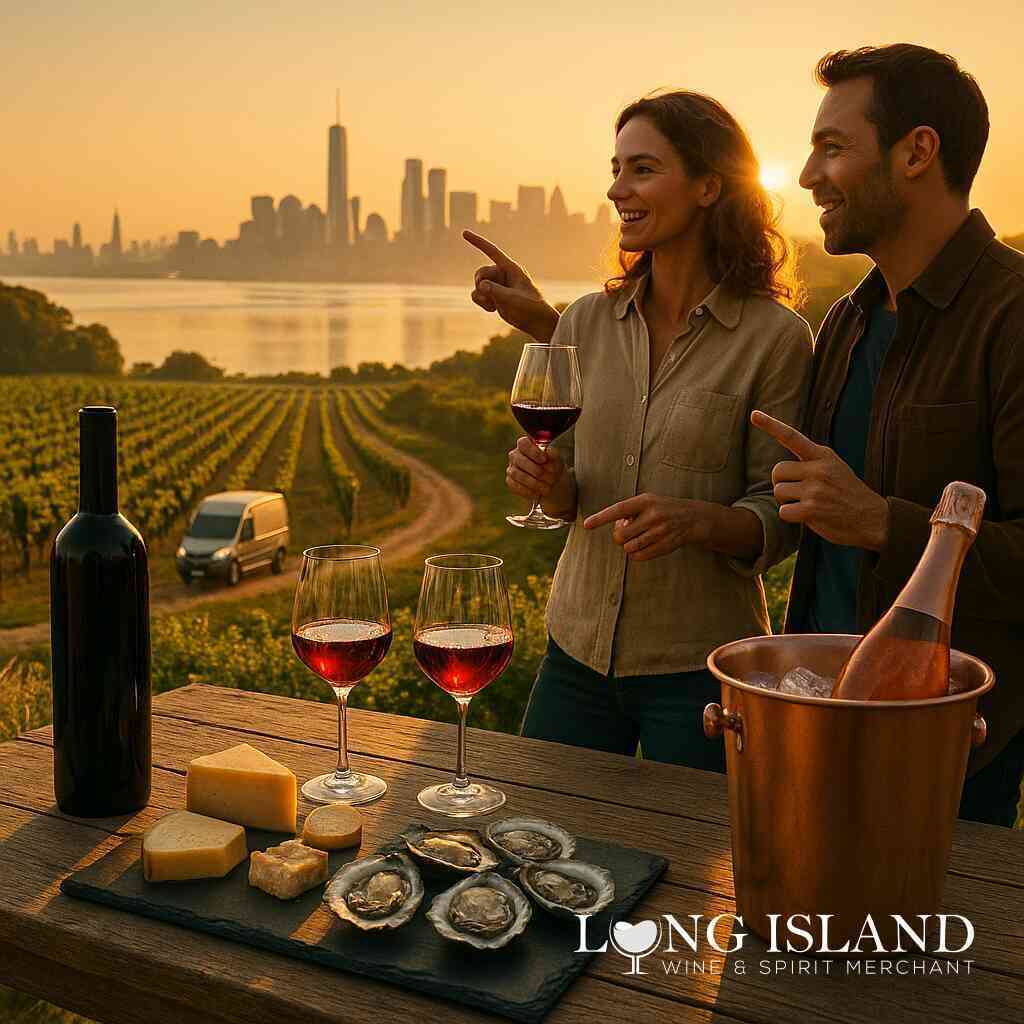
Exploring Fine Wine Across New York
Fine wine in New York is no longer a mystery reserved for sommeliers. From the maritime edges of Long Island to the glacier-carved slopes of the Finger Lakes, the state offers a diverse spectrum of bottles that rival better-known Old World classics. This guide walks through the key regions, style cues, and modern tools—like online ordering and taste quizzes—that make confident purchasing easier than ever.
1. Terroir 101: Why Place Matters
Long Island’s Coastal Influence
- Soil: Fast-draining sand and gravel concentrate flavor and keep roots dry.
- Climate: Warm Gulf Stream currents extend the growing season, while Atlantic breezes reduce mildew pressure.
- Resulting Styles: Bordeaux-inspired blends show graphite and cassis; Chardonnay leans toward bright citrus with a whisper of salinity.
Finger Lakes’ Lake Effect
- Soil: Slate and shale absorb heat, reflecting it back to the vines.
- Climate: Deep lakes moderate temperature swings, protecting vines from harsh winters.
- Resulting Styles: Riesling with razor-sharp acidity, mineral-driven Grüner Veltliner, and increasingly complex Cabernet Franc.
Recognizing these contrasts helps shoppers predict flavor before a bottle is opened. Lean toward Long Island for plush reds with coastal freshness, or pick Finger Lakes whites when crispness and age-worthiness are the goal.
2. The Rise of Ordering Alcohol Online
Brick-and-mortar stores still have charm, but digital cellars have changed the game:
- Range – Thousands of labels, often including micro-production wineries that never make it to city shelves.
- Information Depth – Detailed tasting notes, fermentation methods, and critic scores sit one click away.
- Condition Control – Insulated shippers and temperature monitors shield bottles from heat spikes, a critical detail for delicate Pinot Noir or rosé.
- Compliance & Safety – Signature-required delivery prevents underage access while adding peace of mind for collectors.
Convenience alone is not the point; it is about accessing better wine with greater confidence.
3. Using a Wine Taste Quiz as a Digital Sommelier
Online quizzes now mimic a professional consultation by asking targeted questions:
- Do you prefer citrus or tropical fruit notes?
- How important is oak influence?
- Which dishes will you serve alongside the wine?
- Desired price window per bottle?
Algorithms match answers with bottles that share common flavor markers, production styles, and aging curves. The approach benefits both beginners, who avoid trial-and-error spending, and seasoned collectors, who uncover limited lots aligned with their profiles.
4. Spotlight on Long Island Reds
Bordeaux-Style Blends
Cabernet Sauvignon leads with dark berry and graphite, while Cabernet Franc layers peppery lift and Petit Verdot deepens color. Moderate alcohol (often 13–13.5 %) keeps balance, and natural acidity promises 8–12 years of graceful development.
Cellar-Worthy Merlot
North Fork sunlight and reflective waterways ripen Merlot skins without pushing sugar too far. Expect plum, cocoa, and a hint of sea spray on the finish. Decant one hour and pair with rosemary-rubbed lamb or mushroom risotto.
5. Finger Lakes: Whites Beyond Riesling
- Chardonnay (Unoaked): Green apple, wet stone, and vibrant acidity—ideal for oysters.
- Gewürztraminer: Lychee, ginger, and rose petal aromas that shine with Thai cuisine.
- Sparkling Wine: Traditional-method bottlings often rest on lees for three years, giving brioche notes at a fraction of Champagne prices.
6. Practical Buying Tips for 2026
- Seek Recent Vintages for Freshness – Finger Lakes 2024 whites are lively and ready to pour now.
- Age Reds Judiciously – Long Island 2021 reds show structure; plan to revisit in two to five years.
- Mix Regions in One Shipment – Combining coast and upstate wines maximizes shipping value while broadening your tasting bench.
- Leverage Case Customization – Many platforms allow six- or twelve-bottle assortments tailored to occasion, cuisine, or aging goal.
7. Storing Your New York Collection
Even the best bottle suffers if stored poorly. Follow these basics:
- Temperature: Aim for a constant 55 °F. Avoid kitchen cabinets and sunny countertops.
- Humidity: 60–70 % keeps corks moist and prevents oxidative seepage.
- Darkness: Ultraviolet light degrades flavor; tuck cases away from direct bulbs.
- Vibration: Long-term shaking disturbs sediment—keep bottles still.
For apartments without built-in cellars, small wine fridges offer reliable climate control at a modest footprint.
8. Pairing Ideas to Elevate Local Wine
| NY Wine Style | Flavor Highlights | Food Match |
|---|---|---|
| Finger Lakes Riesling (Off-Dry) | Lime, slate, touch of sweetness | Spicy pork dumplings |
| Long Island Chardonnay (Barrel-Aged) | Lemon curd, toast, sea salt | Lobster roll |
| North Fork Merlot | Plum, cocoa, saline finish | Herb-crusted lamb chops |
| Finger Lakes Sparkling Rosé | Strawberry, brioche, crisp acid | Smoked salmon blini |
Closing Thoughts
Fine wine choices across New York reflect a mosaic of climates, soils, and evolving winemaking philosophies. Digital tools now place that diversity at your fingertips. Explore terroir drives, lean on interactive taste quizzes, and embrace safe, temperature-controlled shipping. With a bit of planning, your next dinner party—or quiet night in—can showcase bottles that tell the unique story of Empire State vineyards.
Unravel the Mysteries of Fine Wine Choices for NY


Comments
Post a Comment