Exploring Long Island Wine & Spirits: A 2026 Tasting Guide
Introduction
Long Island has grown from a seaside retreat into one of the most intriguing cool-climate wine and spirit regions in the United States. This guide maps the key styles, vineyards, and insider tips that help visitors and locals unlock the character of Long Island wine and spirits in 2026.
A Quick Geography of Flavor
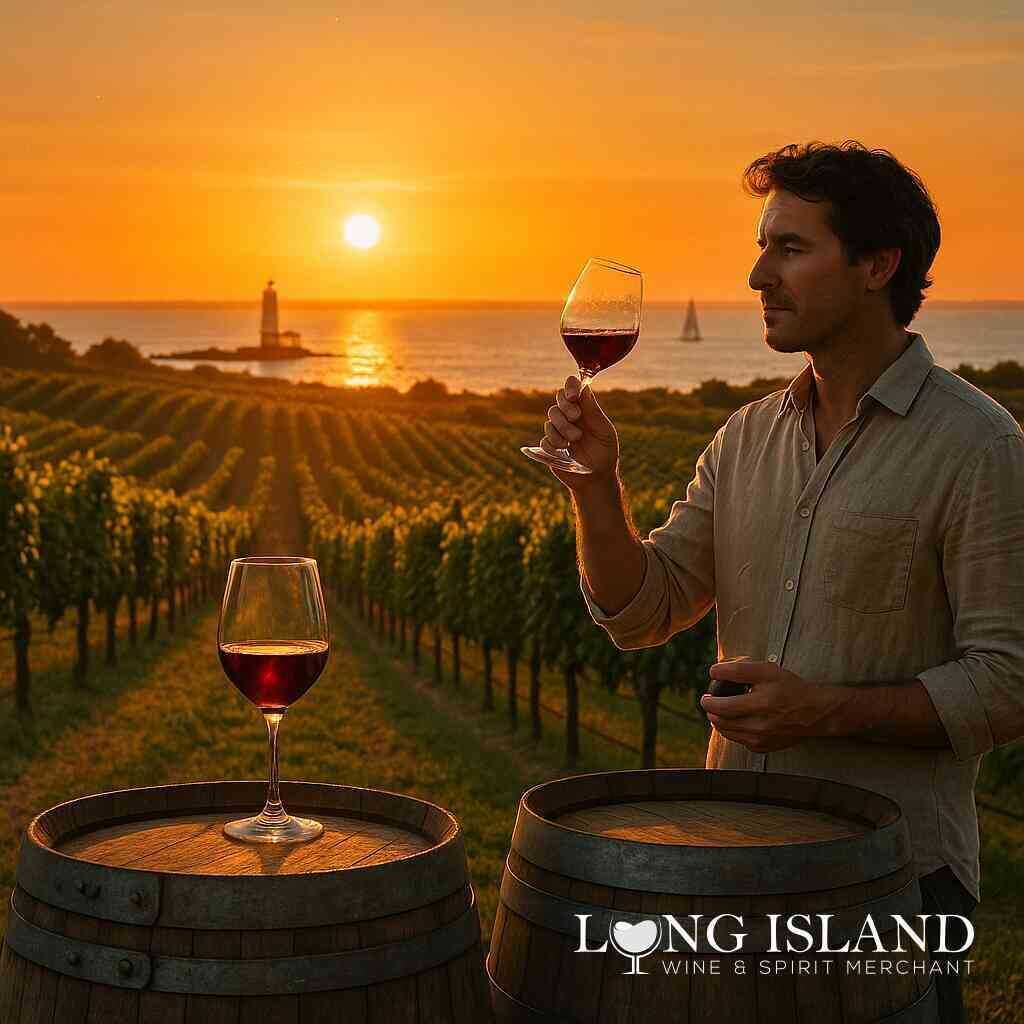
Long Island’s two main peninsulas, the North Fork and the South Fork (home to the Hamptons), form a natural corridor of vineyards edged by water on three sides. The Atlantic, Peconic Bay, and Long Island Sound buffer temperature extremes, extend the growing season, and bathe vines in maritime breezes. That steady airflow limits disease pressure and preserves acidity, giving regional wines a salty lift that sommeliers describe as “sea spray on the finish.”
North Fork
- Gravel and sandy loam soils drain quickly, so vines work harder and berries stay small and concentrated.
- Expect citrus-driven whites, structured reds, and a thriving community of small family estates that rarely export beyond New York.
Hamptons / South Fork
- Closer to the Atlantic, temperatures remain a touch cooler. Chardonnay, sparkling wine, and elegant rosé dominate tasting-room lineups.
- Vineyards are scattered among salt marshes and rolling dunes, making each stop visually dramatic as well as delicious.
Key Grape Varieties to Know
Sauvignon Blanc
Well-drained soils and bracing coastal air lock in bright acidity. Typical notes include lime peel, green apple skin, and a hint of beach grass. Stainless-steel fermentation is common, keeping the profile brisk. Serve with Peconic Bay oysters or local fluke crudo.
Chardonnay
Producers split into two camps: unoaked, which showcases clean orchard fruit and subtle salinity, and barrel-fermented, where partial malolactic conversion adds creaminess without losing maritime freshness. Either style pairs effortlessly with Montauk lobster rolls.
Cabernet Franc
The region’s flagship red. It ripens earlier than cabernet sauvignon, avoiding late-season storms. Look for raspberry, graphite, and roasted red pepper over medium tannins. A brief rest in French oak rounds the edges but allows herbal complexity to shine.
Merlot
Merlot benefits from Long Island’s relatively warm summers and autumn sun. When barrel aged for 12–18 months, it picks up mocha and cedar while retaining supple plum fruit. With proper cellaring, top bottles age for a decade or more.
Emerging Whites
Albariño, Grüner Veltliner, and Chenin Blanc now appear in limited plantings. These experimental blocks prove that Long Island can deliver more than the standard American staples, reflecting a European mindset of farming first, marketing second.
Spirit Corner: Local Distilling Highlights
While vineyards dominate headlines, a new wave of craft distillers converts Long Island corn, rye, and even potatoes into expressive spirits. Small-batch gins often infuse beach roses and foraged juniper; whiskeys age near the bay where humidity softens tannins; brandies capture surplus chardonnay and merlot grapes. Ask tasting-room staff for limited bottlings—production is tiny and sells out quickly.
Building a Personal Tasting Route
A one-size-fits-all itinerary rarely works on Long Island, where distances appear short but traffic can stretch drives. Keep the following framework in mind:
- Define mood and budget. Decide if the day is about casual picnics or in-depth cellar tours.
- Group wineries by proximity. Aim for three to four stops within a ten-mile radius instead of crisscrossing forks.
- Mix styles. Alternate sparkling or white-focused venues with red specialists to avoid palate fatigue.
- Reserve ahead. Many estates require appointments, especially on summer weekends.
- Plan meal breaks. North Fork farm stands, seafood shacks, and Hamptons fine-dining rooms all deserve time on the schedule.
Using a Wine Taste Quiz
Self-assessment tools ask about coffee strength, dessert preferences, and spice tolerance. Answers reveal whether dry, high-acid whites or plush, fruit-forward reds suit a newcomer best. Taking five minutes to clarify taste preferences prevents expensive misfires and accelerates learning. The result: each first pour feels tailor-made rather than random.
Working with a Trusted Merchant
Even local enthusiasts struggle to track dozens of micro-lot releases each year. A dedicated wine and spirit merchant visits producers, tastes barrel samples, and logs vintage conditions. That ongoing fieldwork informs objective recommendations when a customer requests, for example, “a seafood-friendly white under thirty dollars” or “a Long Island merlot built for aging.”
Reliable shops also streamline logistics:
- Same-day delivery throughout much of the island
- Customizable cases based on quiz results or seasonal menus
- Gift packaging that highlights regional stories without resorting to novelty trinkets
Crafting Your Own Case: A Sample Six-Bottle Mix
- Unoaked Chardonnay – North Fork; vibrant orchard fruit, saline finish.
- Traditional-method Blanc de Blancs – Hamptons; fine mousse, lemon curd, hint of brioche.
- Dry Rosé of Cabernet Franc – Wide appeal, ready for beach outings.
- Reserve Merlot – Barrel aged 16 months; black cherry, cocoa dust, aging potential 8–10 years.
- Cabernet Franc – Medium body, raspberry and pepper, weekday-friendly.
- Craft Gin – Distilled with local botanicals; ideal for seaside cocktails.
This lineup spans styles, food pairings, and occasions, giving newcomers a practical snapshot of regional range.
Food Pairing Principles
- Match intensity. Light seafood likes crisp whites; dry-aged steak welcomes oak-kissed reds.
- Consider salinity. The natural salt note in many Long Island wines complements briny shellfish.
- Use acidity as a bridge. High-acid whites cut through buttery dishes and rich sauces.
Proper Serving and Storage
- Whites: 45–50 °F to preserve aromatics.
- Reds: 60–65 °F; too warm and alcohol dominates.
- Spirits: cool, dark cupboards away from direct sunlight; seal tightly to reduce evaporation.
- Short-term wine storage: a passive closet works if temperature swings stay within ten degrees.
- Long-term: invest in a temperature-controlled fridge or professional facility for age-worthy merlot and cabernet franc.
Sustainability Notes
Many Long Island growers farm with organic or biodynamic principles, reduce herbicide use, and protect wetlands bordering vineyards. Ask about cover crops, bird-box programs, and water-management practices during visits; producers are often eager to share. Supporting these efforts keeps the coastal ecosystem healthy and enhances wine quality by fostering balanced vineyards.
Final Thoughts
Long Island wine and spirit culture rewards curiosity. Its maritime climate delivers sauvignon blancs with oceanic snap, cabernet francs that marry Old-World poise with New-World clarity, and micro-distilled gins scented with dune botanicals. Whether you choose a self-guided drive, rely on a taste quiz, or lean on an experienced merchant, the region offers enough diversity to build knowledge over months, not just one weekend. Sip with an open mind and you will uncover layers of place, climate, and craftsmanship in every bottle.
Cheers to discovering the unique coastal fingerprint that makes Long Island’s fine wine and spirits unforgettable.
Unlocking Long Island's Fine Wine and Spirit Mysteries


Comments
Post a Comment