Exclusive Cognac Offers: Long Island’s Curated Selections
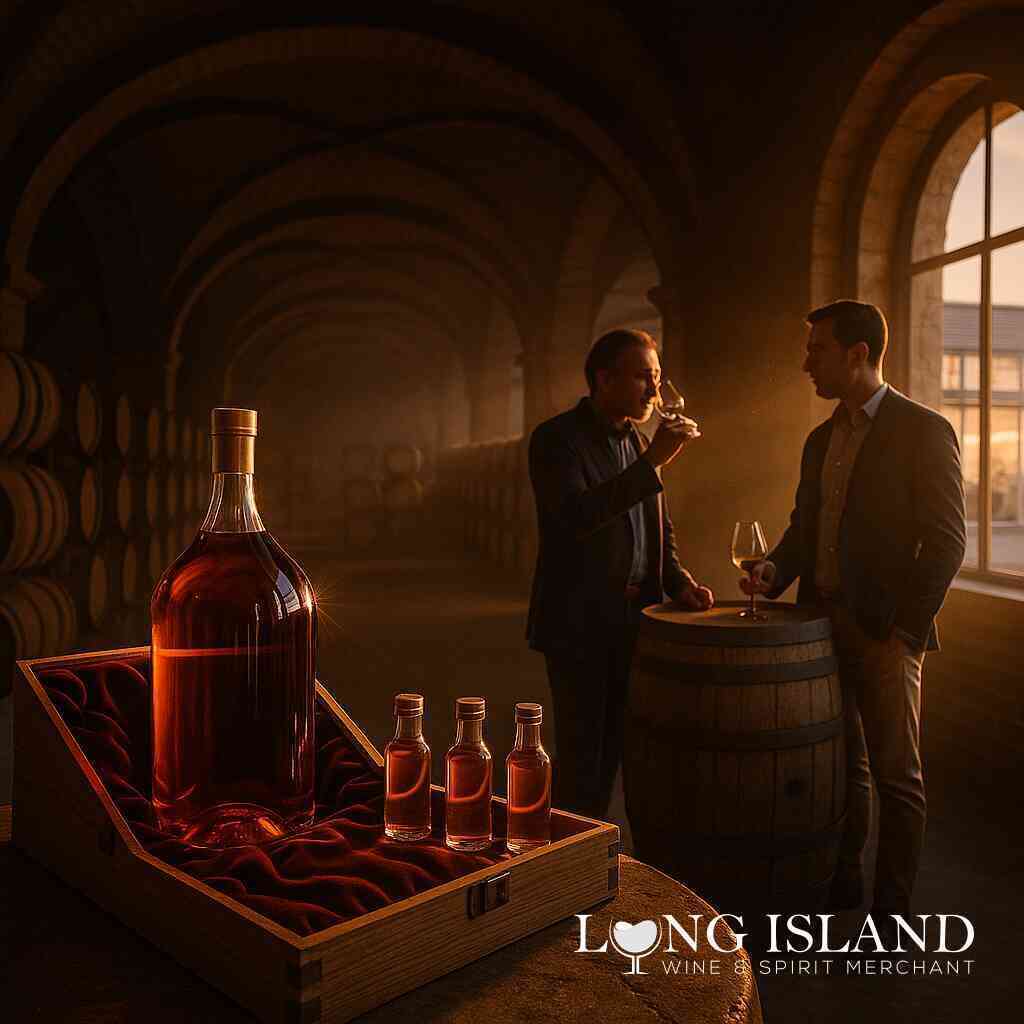
A Close-Up Look at Long Island’s Exclusive Cognac Offers
The shelves of a well-run Long Island bottle shop hide more than familiar orange‐labeled staples. Tucked behind the counter, or resting in a locked glass vault, you will often find micro-lot Cognac that never appears in national chains. This overview explains how those bottles travel from the chalky vineyards of southwest France to a Commack storefront, why collectors prize small batches, and how to choose the right size and style for your own shelf.
From Grande Champagne Soil to Suffolk County Display
- Harvest and Distillation – Grapes grown on limestone soil in Grande Champagne are double-distilled in copper pot stills, producing a crystal-clear eau-de-vie that captures delicate floral notes.
- Oak Maturation – The spirit rests in lightly toasted Limousin or Tronçais oak. Seasoned coopers control grain tightness so the wood delivers vanilla and baking-spice accents without masking fruit.
- Trans-Atlantic Voyage – After years—sometimes decades—in humid chalk cellars, chosen barrels are shipped under temperature-controlled conditions. Importers track humidity to preserve the spirit’s volatile aromatics.
- Local Curation – Once in New York, a small panel of buyers blind-tastes each lot. Bottles that exhibit balanced rancio, bright stone fruit, and minimal caramel coloring earn a place in the shop’s “vault.”
The result is a focused range of VSOP and XO expressions that taste exactly as the cellar master intended, despite the ocean crossing.
Why Small-Batch Lots Matter to Modern Collectors
Large houses blend hundreds of casks to achieve a consistent style year after year. That reliability is valuable, but it can flatten the unique character of each vineyard. A tiny parcel bottled on its own delivers something different:
- Terroir Transparency – A micro-lot from Borderies shows violets and nutmeg, while a Fins Bois parcel tends toward lively citrus. Tasting them side by side becomes a liquid geography lesson.
- Scarcity – Releases rarely exceed a few hundred bottles. Once they sell through, the exact profile can never be replicated, which supports long-term collectability.
- Higher Proof, More Detail – Many small batches are bottled close to cask strength, preserving texture and deep mid-palate grip.
For those reasons, single-parcel Cognac has become the “new gold standard” among serious spirits investors. It combines narrative, flavor precision, and genuine rarity—three pillars of lasting value.
Decoding the Cognac Bottle Size Chart
Choosing the correct volume affects both the tasting experience and a bottle’s future worth. Below is a concise guide:
| Size | Capacity | Best Use |
|---|---|---|
| Miniature | 50 ml | Flight tastings, cocktail trials |
| Half-bottle | 375 ml | Restaurant service, small gifts |
| Standard | 750 ml | Home bar staple, most collector releases |
| Liter | 1000 ml | Party mixing, generous hospitality |
| Magnum | 1500 ml | Slow aging, display centerpiece |
Smaller vessels oxidize quickly once opened, so they suit side-by-side comparisons. Larger formats age more gracefully because the air-to-liquid ratio is lower, extending peak aromas for months (or decades if sealed).
Inside the Long Island Cognac Vault
Premium VSOP Finds
Buyers favor houses that avoid aggressive sweetening and heavy wood additives. A typical vault selection might highlight:
- Borderies VSOP, 42 % ABV – Notes of candied orange peel, violet, and walnut cake; fermented entirely with indigenous yeast.
- Organic Fins Bois VSOP, 45 % ABV – Bright pear and gingerbread upfront, finishing on subtle licorice.
Each release includes batch numbers and bottling dates, useful for tracking in a cellar log.
Rare XO and Hors d’Âge Expressions
Collectors often look for bottlings that spent at least 20 years in wood. In many cases, the Long Island shop’s allocation is limited to fewer than two dozen bottles. To maintain transparency, staff supply the following data on every label:
- Minimum and average cask age
- Type of oak and level of toasting
- Month and year of bottling
That information builds trust and allows buyers to compare maturity levels across producers.
Practical Tips for Selecting Your Bottle
- Consider Occasion First – A Tuesday night Sidecar demands a different Cognac than a 50-year retirement toast. Clarify the moment, then match the style.
- Check the Bottling Date – Even XO can lose vibrancy if it languishes in a bright retail window for years. Fresh bottlings generally retain more top-note fruit.
- Ask for the Tasting Order – Many shops run private sampling flights. Tasting before purchase offers insight that label copy never conveys.
- Evaluate Closure Quality – A high-grade natural cork with a firm shank protects your investment during long-term storage.
Storage and Serving Basics
- Temperature – Keep sealed bottles around 60 °F (15–16 °C) and shield them from sunlight.
- Glassware – A tulip glass concentrates aroma better than a traditional snifter, which can trap alcohol vapors.
- Breathing Time – Older Cognac benefits from 10–15 minutes in the glass. Too much air, however, flattens delicate floral notes.
Final Thoughts
Exclusive Cognac offers on Long Island prove that world-class spirits no longer require a flight to Paris or Bordeaux. By focusing on micro-lot transparency, careful shipping, and informed curation, local merchants deliver bottles that satisfy both flavor seekers and portfolio builders. Whether you need a Tuesday night mixer or an engraved magnum for a milestone celebration, understanding origin, batch size, and bottle format ensures every pour lives up to its pedigree.
What Are Shop Liquor's Exclusive Offers in Cognac Varieties


Comments
Post a Comment