Designing Custom Liquor Cases: Expert Tips for 2026
Why Custom Liquor Cases Are Taking Off
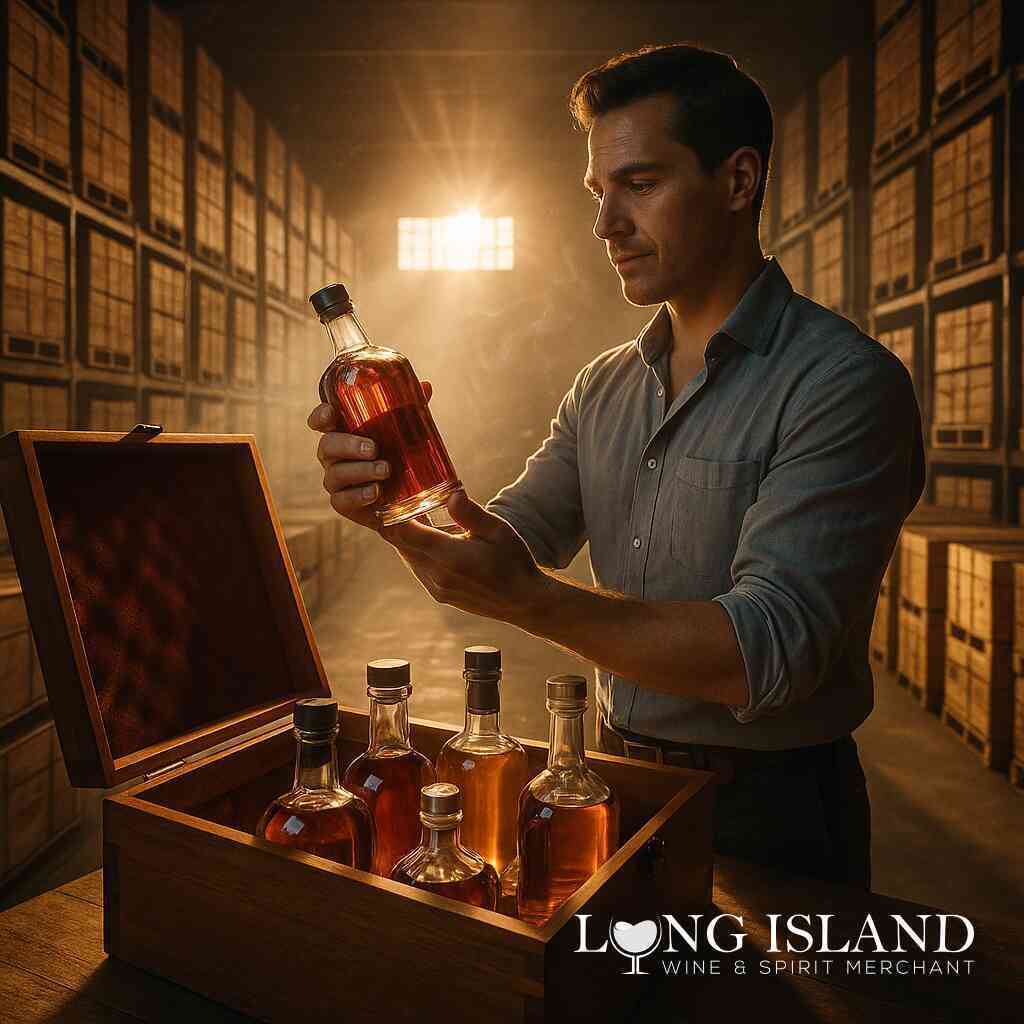
Personalized spirit bundles have moved from novelty to necessity in 2026. Shoppers want more than a bottle pulled from a shelf—they want an experience that feels chosen for their palate, their home bar, and their next celebration. A well-built custom case delivers all three.
From Local Shop to Nationwide Shipping
The story often begins in a single neighborhood store. Once owners master face-to-face service, they expand online, keeping the same commitment to curation while adding faster logistics and temperature-controlled packaging. The result: small-batch bourbon, craft tequila, or limited-release cabernet arrives anywhere in the United States tasting exactly as it did in the tasting room.
Benefits of a robust shipping model:
- Protective inserts keep glass stable during long transits.
- Insulated liners limit heat spikes that can dull delicate aromas.
- Real-time tracking reduces delivery anxiety and prevents porch loss.
How Experts Build a Curated Spirit Bundle
Liquor professionals approach a case the way chefs plan a tasting menu—each bottle should stand on its own and also contribute to a wider narrative.
- Start with a clear theme. Examples include "Island-Influenced Rum," "Peat vs. Sweet Scotch," or "Botanical Journeys in Gin."
- Balance intensity. Pair higher-proof expressions with gentler styles so tasting fatigue never sets in.
- Add an educational arc. Include cards, maps, or quick notes that explain mash bills, barrel finishes, or regional botanicals.
- End with versatility. A bottle that mixes well in cocktails extends enjoyment long after the formal tasting ends.
Example: Three-Bottle Whiskey Flight
| Slot | Style | Key Flavor Note |
|---|---|---|
| #1 | Wheated Bourbon | Soft vanilla, caramel |
| #2 | High-Rye Bourbon | Pepper, baking spice |
| #3 | Rum-Cask-Finished Rye | Molasses, dried fruit |
A lineup like this leads the palate from gentle sweetness to structured spice and finally to exotic depth.
Building Your Own Gin Case
Gin’s botanical range makes it a playground for customization.
Suggested framework:
- London Dry: Classic juniper backbone. Ideal for benchmarking.
- New American Citrus: Brighter, fruit-forward profile; excellent in a Tom Collins.
- Japanese Floral: Cherry blossom or yuzu notes add elegance to a Martini.
- Optional wildcard: Navy strength, barrel-aged, or cucumber-infused for contrast.
Additions that round out the experience:
- A 375 mL dry vermouth for side-by-side Martini trials.
- Dehydrated citrus wheels for garnish.
- An aroma wheel or flavor grid to log impressions.
Fine Wine and Good Spirits: Blending Categories
A bespoke bar cart should not silo wine from spirits. Consider a themed case that pairs a bottle of 15-year single malt with a Rioja reserva showing complementary oak tones. Or place a floral gewürztraminer alongside a lavender-infused gin to explore shared aromatics. These cross-category duos spark deeper conversation and help hosts cater to mixed preferences without doubling their shopping list.
Quick Pairing Ideas
- Smoky Islay Scotch + Syrah: Echoes of black pepper in both.
- High-Proof Rum + Late-Harvest Riesling: Sweetness balances the rum’s heat.
- Añejo Tequila + Oaked Chardonnay: Vanilla and roasted agave meet buttery oak.
Crafting a Cocktail Party Essentials Kit
For hosts who entertain often, a ready-to-deploy kit can ease prep and highlight the versatility of their custom case.
Core components:
- Two base spirits (e.g., bourbon and gin).
- One modifier (sweet vermouth, elderflower liqueur, or orange curaçao).
- A bitter element (aromatic bitters or amaro).
- Fresh citrus and a quality simple syrup.
- Bar tools: shaker, jigger, Hawthorne strainer, fine mesh sieve.
A kit designed this way covers classics—from Old Fashioneds to French 75s—without crowding the cart.
Responsible Quantities and Bottle Sizes
Large 1.75 L handles rarely fit a curated vibe and can overshadow variety. A mix of 750 mL and 375 mL bottles offers balance:
- 750 mL for flagship spirits that appear in many cocktails.
- 375 mL for niche bottles you’ll taste neat or use sparingly.
- Miniatures (50–100 mL) for risky picks you want to sample before committing.
Storing and Displaying Your Collection
Even the finest case loses value if stored poorly.
Best practices:
- Keep bottles upright to limit cork exposure.
- Maintain temperatures between 60–68 °F; avoid direct sunlight.
- Rotate stock so open bottles are consumed within a year, especially vermouth and liqueurs with sugar content.
Display tips:
- Organize by category and proof for quick navigation.
- Use risers or tiered shelves so labels stay visible.
- Incorporate a small notebook or digital catalog to log purchase dates and tasting notes.
The Takeaway
Custom liquor cases fuse professional curation with personal storytelling. By defining a theme, balancing flavors, and layering educational elements, you transform a simple shipment of bottles into a guided sensory tour. Whether you focus on a whiskey flight, a botanical gin exploration, or a wine-and-spirits hybrid, the principles remain the same: intention, balance, and a touch of creative flair. Build thoughtfully now, and your bar cart will serve inspired pours well past 2026.
Ultimate custom cases insight from Liquor Store Open experts


Comments
Post a Comment