Defining Vodka Excellence at The Long Island Liquor Store
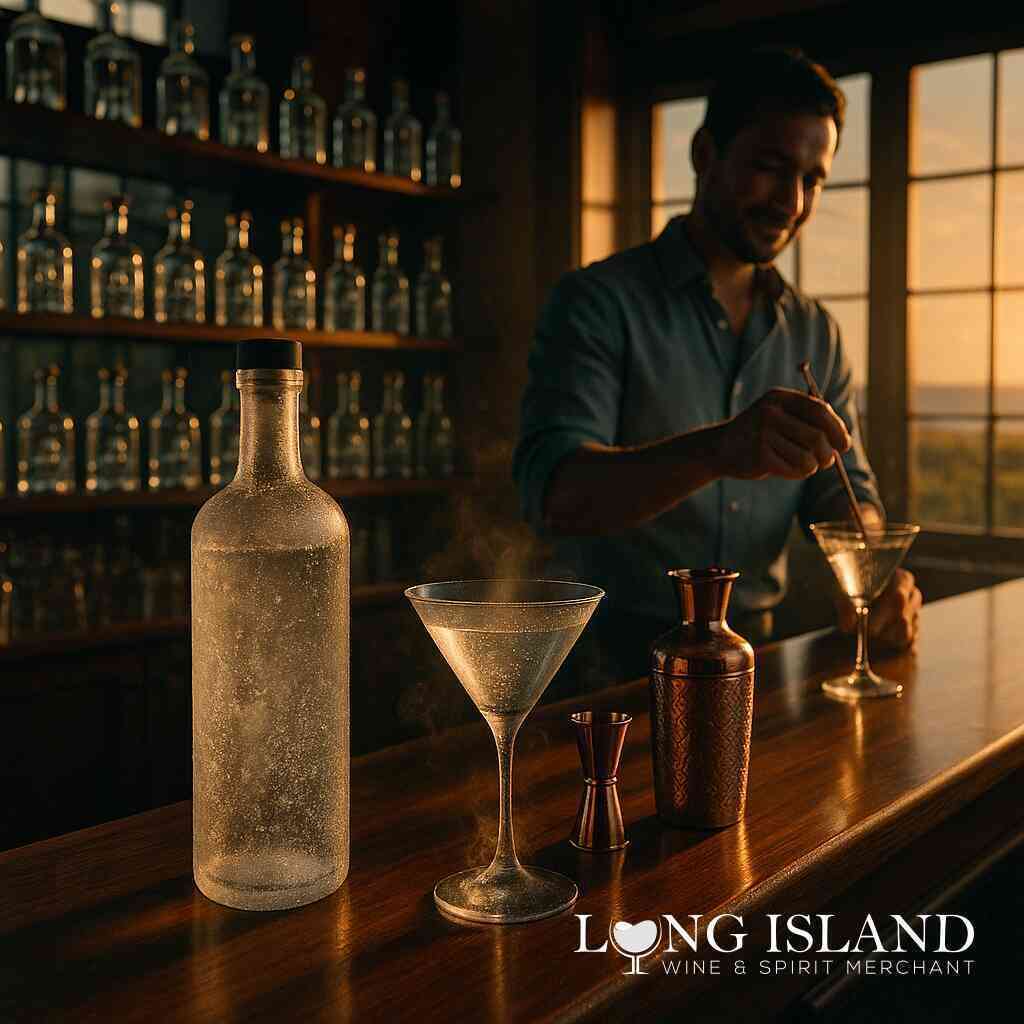
What "vodka excellence" really means
Long Island Liquor Store in Commack uses the phrase for more than eye-catching copy. It signals a measurable standard built on local agriculture, careful distillation, and sensory testing. This overview breaks down the four pillars the shop’s buyers rely on when they decide whether a new bottle earns space on the top shelf.
1. Authentic local sourcing
The North Fork has supplied potatoes, winter wheat, and heritage corn for generations. Small distilleries now convert that harvest into neutral spirit while keeping the grain’s quiet character. When a label lists Long Island–grown raw material—and can document it—buyers give it an immediate edge. Why it matters:
- Ingredients travel fewer miles, reducing oxidation and preserving subtle sweetness.
- Farmers and distillers often collaborate on crop selection, matching starch content to the still design.
- Shoppers who support local agriculture see a direct link between purchase and community prosperity.
2. Modern craft meets heritage methods
“Craft” is easy to print on a label, harder to practice. The store asks three questions:
- Is the distillery running truly small lots (under twenty barrels per month)?
- Do they control fermentation, distillation, and bottling in-house?
- Can they explain why they chose each step, rather than following trend?
Most top candidates use hybrid copper-column stills that achieve 190-proof neutrality in fewer passes than old industrial columns, saving energy and water. They then proof down with calcium-balanced well water for a round mouthfeel. A few stay stubbornly old-school, relying on pot stills and multiple filtrations for texture. Either path can reach excellence; transparency is the deal-breaker.
3. Measurable smoothness and purity
Ask three bartenders to define “smooth” and you’ll get poetry, not metrics. The shop’s tasting panel relies on repeatable cues:
- Congener count: fewer trace oils reduce harsh pepper notes.
- Mouthfeel: a light oiliness coats the palate, then lifts quickly, leaving no burn.
- Finish length: a clean spirit fades within five seconds, but the faint grain sweetness may linger.
Ultra-filtration through activated charcoal polishes rough edges, yet over-filtering strips personality. The sweet spot is judged blind against control samples from well-known Polish rye and Nordic wheat benchmarks. Only bottles that glide through this gauntlet receive the in-store “Smooth Vodka” tag.
4. Responsible production and packaging
Long Island drinkers increasingly ask how their favorite spirits affect the planet. Distillers that score highest on the store’s matrix typically:
- Recycle cooling water in closed-loop systems.
- Power operations with solar or biodiesel.
- Grow or contract with farms that avoid synthetic herbicides.
Packaging counts as well. Lightweight bottles and plastic-free closures win points. Limited-edition crystal decanters still appear, but buyers verify that the producer offsets the heavier glass with credible environmental steps.
The tasting spectrum: from crisp wheat to creamy potato
Not all excellent vodkas taste alike. Understanding the base material helps visitors choose the right style for their bar.
| Base grain | Typical profile | Best uses |
|---|---|---|
| Winter wheat | Soft, slightly sweet, whisper of vanilla | Vodka martini, citrus spritz |
| Rye | Peppery, dry, light spice heat | Bloody Mary, savory cocktails |
| Corn | Mellow, rounded, faint caramel | Vodka tonic, fruit infusions |
| Potato | Rich, creamy, plush mouthfeel | Neat sips, white Russian |
How the store curates shelves for every occasion
The Long Island Liquor Store organizes vodka by both origin and occasion to save shoppers time.
- Local Heritage Row – micro-releases from Suffolk County farms. Expect rotating stock and handwritten batch numbers.
- International Masters – legacy brands from Poland, Sweden, and France, included as reference points.
- Celebration & Gift Corner – limited editions in etched glass or gift boxes, popular for weddings and corporate raffles.
- Everyday Excellence – competitively priced, high-quality bottles that mix cleanly and won’t overpower a tonic.
This system means a customer hunting for a weeknight martini and another looking for a graduation splurge can both walk out confident they picked the right spirit.
Pairing tips from the in-house panel
- Oysters and wheat vodka: the mild sweetness underscores briny liquor without masking it.
- Char-grilled steak and rye vodka: pepper notes echo the crust’s smoky spice.
- Chocolate torte and potato vodka: creamy texture mirrors the dessert’s richness.
- Fresh berries and corn vodka: light corn silk notes amplify fruit brightness.
Trends to watch in 2026
- Botanical vapor infusion – distillers are gently steaming basil, cucumber, or kelp through neutral spirit for subtle aroma, not gin-level intensity.
- Lower-proof releases – 70- to 80-proof vodkas aimed at daytime sipping and lower-ABV cocktails.
- Hybrid barrel resting – brief time in neutral oak adds body without color; expect more of these gold-tinged pours on the shelf by summer.
Final takeaways
Vodka excellence at Long Island Liquor Store is less about price and more about integrity at every step: local fields, mindful distillation, science-backed smoothness, and genuine sustainability. When those elements align, the result is a spirit that enhances a martini, honors the island’s farming heritage, and makes every celebration feel considered rather than flashy.
Next time you study the clear bottles lined up under bright LED light, look for the quiet labels noting batch size, water source, or rye variety. Those small details are the true markers of quality—and the reason Commack drinkers can raise a glass with confidence in 2026.
What Does Vodka Excellence Mean at Long Island Liquor Store


Comments
Post a Comment