Curated Winter Wine Cases for Cozy Long Island Evenings
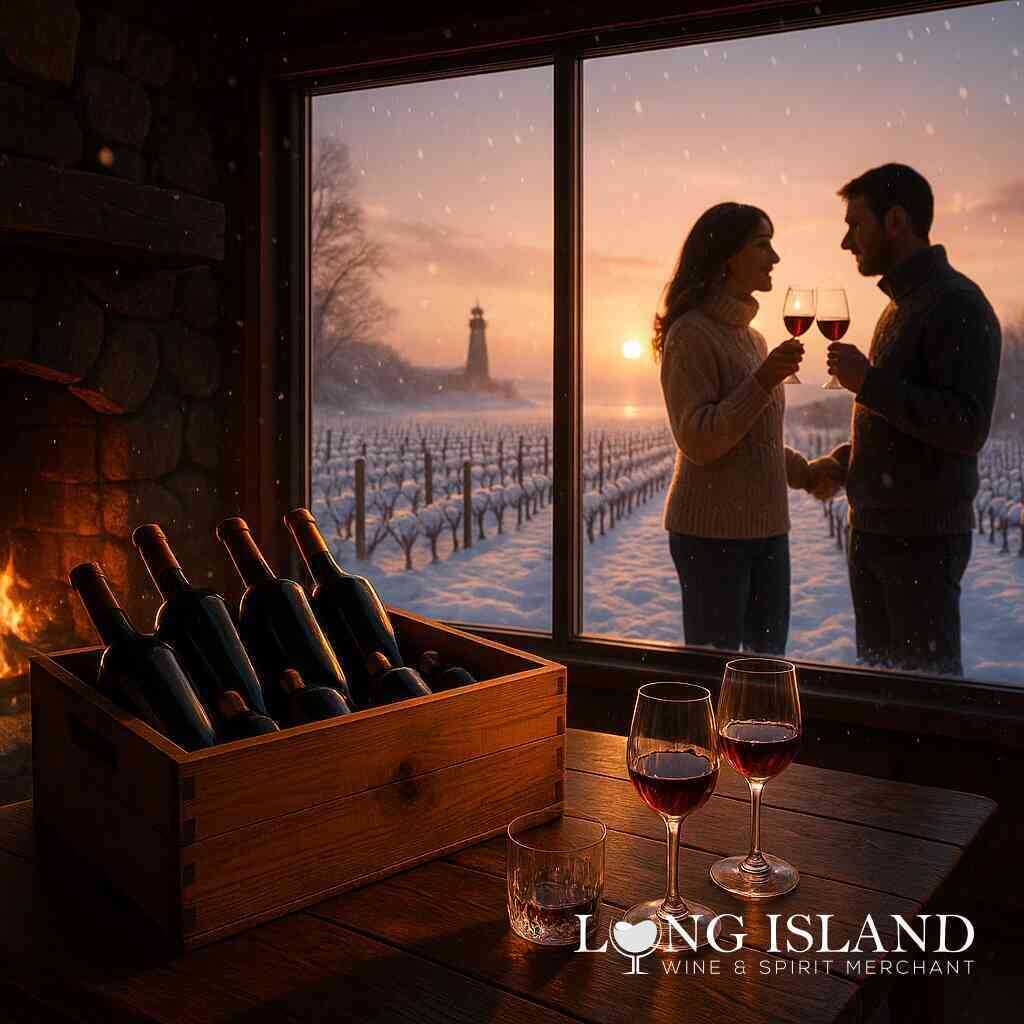
Warmth by the Glass
A thoughtfully chosen winter wine case turns a snowy Long Island night into an inviting indoor retreat. Deep reds, textural whites, and an occasional sparkling bottle all respond to the season’s colder temperatures and richer foods. This guide breaks down how to craft or select a balanced cold-weather case, drawing on the expertise of Long Island Wine & Spirit Merchant and the region’s own vineyard strengths.
Why Seasonal Wine Matters
- Aligns with heavier cuisine. Winter menus lean on stews, roasted meats, root vegetables, and creamy sauces. Wines with more body, tannin, or spice complement those dishes better than light, zesty summer sippers.
- Matches indoor ambiance. Candlelight, fireplaces, and slower evenings call for aromas of baking spice, cocoa, and dark fruit that feel comforting in cooler air.
- Supports local rhythm. Long Island wineries release structured reds and barrel-aged whites timed for winter enjoyment, keeping the community’s agricultural cycle in focus.
- Prevents palate fatigue. Changing your lineup with the seasons keeps tasting adventures fresh and intentional.
Building a Versatile Winter Case
A 12-bottle case offers room to play with styles while covering everyday dinners, special occasions, and unexpected guests. Use the framework below, then adjust for personal taste.
1. Four Bottles of Cabernet Sauvignon
Cabernet remains the workhorse of cold weather. Look for expressions that balance ripe blackberry fruit with cedar, graphite, or cocoa notes. Moderate acidity ensures the wine cuts through fat without tasting sharp. Including two New World bottles alongside two Old World or Long Island labels highlights how climate and winemaking change the grape’s character.
Food partners: rib-eye steak, lamb shanks, mushroom ragù, or aged cheddar.
2. Two Bottles of Pinot Noir
Pinot keeps things agile on evenings when lighter proteins appear but the chill still bites. Choose styles with bright red cherry, subtle earth, and silky tannins. A fireside pinot noir can also bridge gaps at a mixed-dish holiday table where both turkey and short ribs might share space.
Food partners: roast chicken, herb-crusted pork loin, cedar-plank salmon, or wild mushroom risotto.
3. Two Bottles of Merlot or Grenache
Mid-weight reds such as merlot, grenache, or even tempranillo provide plush fruit without cabernet’s firm grip. They shine during casual pasta nights or when guests favor softer, rounder textures. A sweet red wine sampler can fit here for dessert pairings or cocktail-hour pours.
Food partners: meat-lover’s pizza, shepherd’s pie, or a simple charcuterie board.
4. Two Bottles of Textural Whites
Winter is not exclusively red. Oak-kissed chardonnay, sauvignon blanc aged on lees, or Rhône-style white blends contribute richness while offering palate-cleansing acidity. Their creamy mouthfeel stands up to seafood chowder, butter-poached lobster, or roasted squash soup.
Food partners: lobster bisque, chicken pot pie, or roasted cauliflower gratin.
5. One Bottle of Dessert or Fortified Wine
A winter case feels incomplete without something to finish the evening. Tawny Port, late-harvest riesling, or a fortified merlot delivers nutty, caramel, or honeyed notes that echo seasonal desserts.
Food partners: pecan pie, blue cheese, or dark-chocolate truffles.
6. One Bottle of Sparkling Wine
Even low-key weekends deserve effervescence. Brut sparkling wine refreshes the palate after rich meals and pairs surprisingly well with fried snacks and snow-day popcorn. The bubbles also lighten the mood when winter clouds linger.
Food partners: oysters, fried chicken, or salted kettle chips by the fireplace.
Using a Wine Taste Quiz for Precision
Unsure which labels fit your preferences? A quick taste quiz—available on the Long Island Wine & Spirit Merchant site—asks about flavor likes, food habits, and wine experiences. The algorithm then suggests bottles such as a high-elevation cabernet for lovers of bold espresso or a cooler-climate pinot for those who enjoy cranberry sauce. The tool draws on decades of cellar data, so answers tend to feel personalized rather than generic.
Storage Tips for Cold Months
- Steady temperature. Keep the case near 55 °F if possible, away from radiators and exterior walls that fluctuate with the weather.
- Moderate humidity. Around 60 % prevents corks from drying without inviting mold.
- Low light. Darkness slows premature aging and preserves label quality for gift-worthy bottles.
- Minimal vibration. Store wines where foot traffic will not jostle sediments in fuller-bodied reds.
If space runs tight, rotate ready-to-drink bottles into a kitchen rack and restock the case as snowstorms approach.
Serving Warmer, Not Hotter
Cold temperatures outside may tempt over-heating a red wine. Aim for 60–65 °F for cabernet or merlot, and around 55 °F for pinot noir. Whites often show best at 50 °F. Ten minutes in the fridge for reds or on the counter for whites usually does the trick.
Pairing Inspiration: Three Quick Menus
| Menu | Wine | Highlight |
|---|---|---|
| Beef Bourguignon | Aged Long Island cabernet sauvignon | Tannin and dark fruit echo the dish’s wine-braised sauce. |
| Butternut Squash Risotto | Barrel-fermented chardonnay | Creamy textures align; lively acidity lifts each bite. |
| Chocolate Hazelnut Tart | 10-year Tawny Port | Nutty caramel tones mirror toasted hazelnuts and cocoa. |
Bringing Home the Case
Whether you build a carton yourself or ask the Commack store team to curate one, remember balance: powerful, graceful, sweet, and bubbly all have a place. The result is a ready-made lineup that can handle surprise neighbors, slow-cooker Sundays, and celebratory snow-day brunches alike—no frantic last-minute search for “wine delivery near me.”
Key Takeaways
- Rotate styles to match winter cuisine and prevent palate fatigue.
- Anchor the case with four cabernets, then layer pinot, merlot or grenache, textural whites, a dessert pour, and sparkling.
- Use a taste quiz or staff expertise for targeted recommendations.
- Store wines at steady, cool temperatures and serve slightly warmer than summer whites and rosés.
A well-chosen winter wine case does more than fill glasses. It sets the tone for relaxed evenings, thoughtful meals, and little celebrations that brighten Long Island’s coldest months. Pour, sip, and let the season unfold with confidence and comfort.
Winter Wine Cases by Long Island Wine & Spirit Merchant


Comments
Post a Comment