Crafting Custom Beer Flights on Long Island: Inside the Process
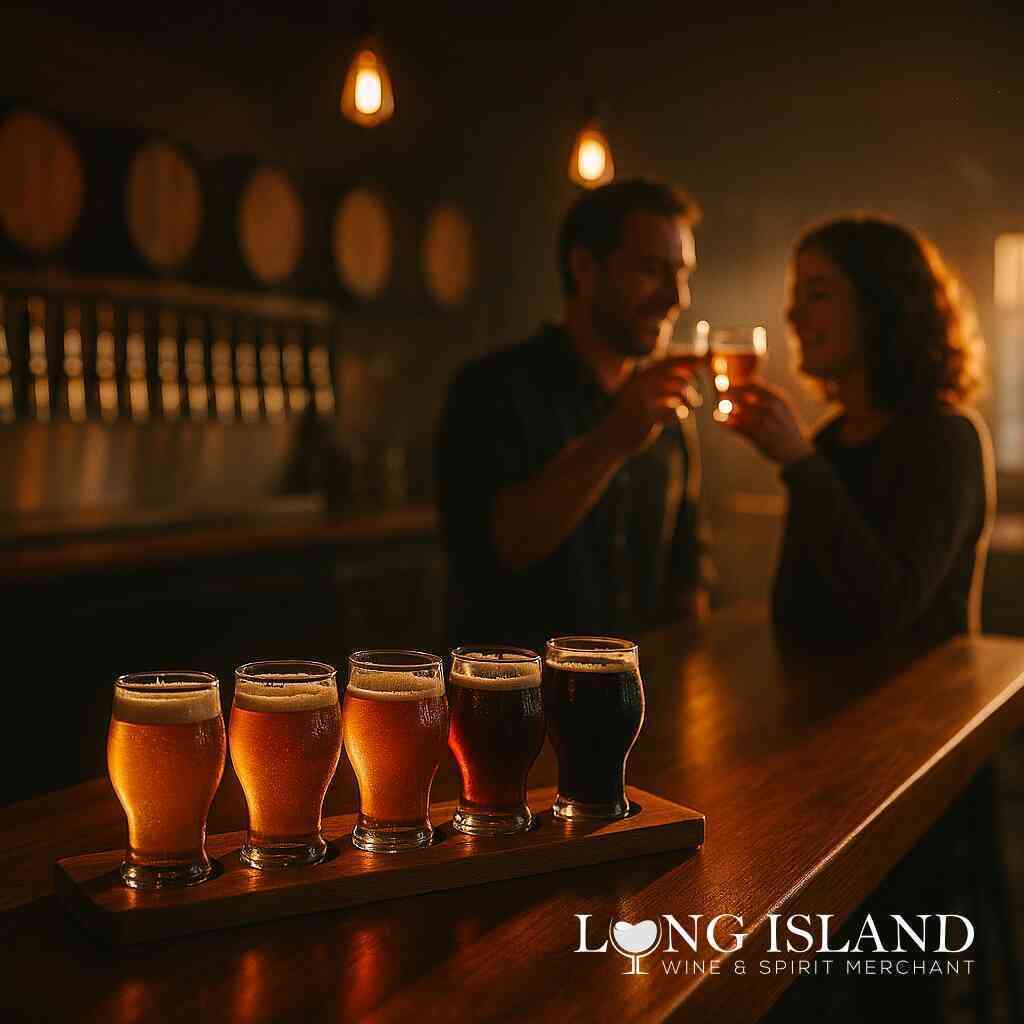
What Makes a Beer Flight "Custom"?
A beer flight is more than four small glasses lined up on a paddle. At Long Island Alcohol Store in Commack, the team treats each lineup as a mini-curriculum in flavor. Temperature, glass shape, order of service, and food accents are all engineered so guests can measure subtle differences in hops, malt, and yeast. This overview explains how the staff turns a casual tasting into a guided sensory experience—and how drinkers can bring the same method home.
The Commack Tasting Lab in Brief
- Purpose-built stations: Each bar top has chilled tasting glasses, a rinse fountain, and flight cards that describe aroma, mouthfeel, and finish.
- Certified guides: All hosts complete beer-sensory coursework, giving them the vocabulary to explain technical details in plain language.
- Environmental control: Lights and music shift with the season’s releases. Cooler ambient temperatures appear during stout season, while brighter LEDs illuminate hazy IPA launches.
The goal is to remove outside noise—literal and figurative—so the beer can speak for itself.
Quiz-Powered Personalization
Before a single bottle is opened, guests answer a quick taste quiz on a tablet. Questions probe bitterness comfort zones, fruit vs. resin preferences, and how much roasted malt feels pleasant rather than harsh. The software maps responses on three axes:
- Perceived IBU threshold
- Sweetness tolerance
- Flavor descriptor familiarity
Within seconds, recommended beers populate a digital paddle. Yet the data is only a starting point. A cicerone reviews the list, confirms allergies, and checks mood—perhaps a guest wants a lighter finale despite a high IBU score earlier in the quiz. Technology supplies efficiency; human insight supplies nuance.
Engineering a Four-Pour Flight: Step by Step
1. Select the Style Arc
The team favors “gentle crescendo” ordering. Lighter bodies and lower bitterness come first, building toward dense, hop-forward or barrel-aged pours. This protects the palate from fatigue and preserves subtle notes in delicate styles like kölsch.
2. Dial In Service Temperature
Each style has a two-degree window. Pilsners leave the cooler at roughly 40 °F, while imperial stouts rest closer to 55 °F. Staff monitor temps with infrared thermometers and adjust with flash chillers or brief warm-up rests.
3. Match Glassware to Volatility
Small tulips are paired with aromatic sours to concentrate esters. Straight-sided tasters handle crisp lagers, allowing carbonation to remain lively without forcing excessive foam.
4. Add a Micro Pairing
A one-ounce cube of aged cheddar might ride shotgun with a citrus pale ale; a pinch of dark-chocolate-coated almond may follow a porter. The goal is not to create a full meal but to demonstrate how small bites redirect the flavor trajectory.
5. Provide Context Cards
Guests receive a printed sheet listing grain bill highlights, hop varieties, and sensory callouts. After each pour, they jot quick notes, turning the experience into an active lesson instead of passive sipping.
Beyond the Bar: National Replication
In-store visitors can scan a QR code that auto-fills the exact lineup—plus pairing snacks—for delivery. Bottles ship in insulated sleeves with the same tasting cards and a Spotify playlist synced to the original session’s background music. Friends in different states often schedule video calls, tasting in parallel despite distance.
Freshness is guarded by an inventory platform that hides any beer once a keg or case runs out. Shoppers never add a “ghost” item to the cart, avoiding disappointment and protecting brewery reputations.
Building a Flight at Home: Five Quick Tips
- Mind the order: Always progress from mild to bold. Grain sweetness and hop bitterness build on the palate.
- Control glass temp: Chill glasses briefly, then let them sit one minute to avoid shocking colder styles.
- Use neutral rinses: A splash of cool water between pours resets taste buds better than bread alone.
- Limit to four samples: After four distinct beers, accuracy drops as fatigue rises. Quality over quantity.
- Document impressions: Even shorthand like “tropical citrus / medium bitter / dry finish” helps future buying.
Why Personalization Matters in 2026
Beer shelves now overflow with fruited sours, pastry stouts, Italian-style pilsners, and cold IPAs. With choice comes confusion. A structured flight offers a low-commitment way to explore outside comfort zones. Data-driven suggestions reduce trial-and-error costs, while human guides keep the experience warm and social.
Home entertainers gain similar benefits. Presenting a curated flight at a backyard gathering sparks conversation and turns casual drinkers into mindful tasters. The method outlined above scales easily: swap pro-grade tablets for a quick paper quiz, and exchange infrared thermometers for a basic kitchen probe.
Key Takeaways
- Custom beer flights rely on deliberate sequencing, precise temperature control, and interactive education.
- A short taste quiz streamlines beer selection but never replaces human guidance.
- Controlled environments—whether in Commack or a living room—allow subtle flavors to shine.
- Limiting flights to four pours keeps palates sharp and enjoyment high.
- Documentation, even in simple note form, turns a one-off tasting into a learning loop.
Approach your next flight with this framework and each pour becomes a chapter in a well-edited story rather than a random page from different books.
How Long Island Alcohol Store Engineers Custom Beer Flights


Comments
Post a Comment