Craft Gin on Long Island: Inside Commack’s Top Bottle Aisle
What “Gin Craft Near Me” Really Means in 2026
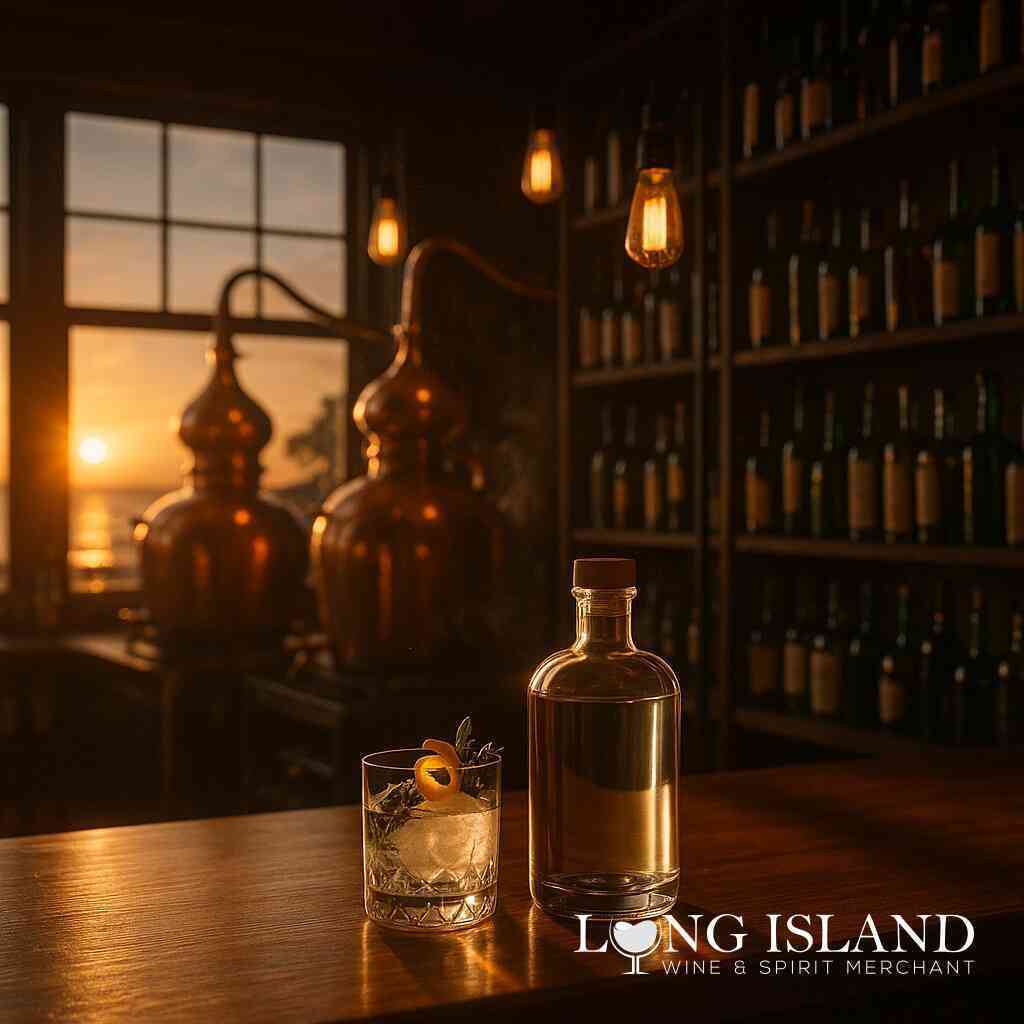
When Long Island drinkers type gin craft near me they often end up in the gin aisle of a well-known Commack retailer. The shop’s team tastes every label, records honest notes, and rotates stock quickly, so the shelves read like a living field guide to modern American gin. This overview looks at how that approach shapes purchasing decisions, highlights local distillers, and helps customers match a bottle to the season or a specific cocktail.
How Curated Tasting Translates to Trust
Most stores rely on distributor blurbs. In Commack, each new gin must earn space through an internal blind tasting. Only then does it receive a shelf talker that lists:
- Base spirit (corn, wheat, grape, or mixed grain)
- Dominant botanicals beyond juniper
- Whether oils lean citrus, floral, herbal, or spice-driven
- Ideal serves—classic martini, highball, or slow sipping neat
Because staff members speak from direct experience, shoppers hear real flavor impressions rather than generic advertising lines. Over time that transparency builds confidence: if the card says “sea spray on the finish,” a quick sample at the tasting bar confirms the note.
Seasonal Botanical Shifts and Why They Matter
Gin is distilled, but the freshness of its botanicals changes the drinking experience from month to month.
Spring and Early Summer
Light, garden-fresh profiles dominate. Look for bottles featuring
- Lemon verbena
- Cucumber peel
- Coastal rosemary or beach plum blossoms
These lean gins lift a simple gin and tonic or pair nicely with raw oysters from the North Fork.
Late Summer Into Fall
As days shorten, local distillers pivot toward berries, chamomile, and mild spice. Suggested serves include a bramble or a gin sour lengthened with muddled peaches.
Winter
Heavier builds arrive—barrel-rested or navy-strength releases infused with clove, dried fig, or cedar tips. They slot seamlessly into a hot toddy, substituting gin for bourbon to add depth without extra sweetness.
By labeling shelf rows according to these broad seasonal moods, the shop encourages customers to explore gin year-round, not just in warm weather.
The Surge of Small-Batch New York Gin
A decade ago Long Island relied almost entirely on imports. Today copper stills operate in renovated barns from Huntington east to Orient Point. Several themes define this wave:
- Hyper-local grain: Rye, wheat, and corn are sourced within 20 miles, reducing transportation and providing distinct terroir.
- Experimental botanicals: Meadow lavender, pine tips, and even seaweed show up in limited runs of 250–300 bottles.
- Fast iteration: Progressive state laws allow quick label approval, so new gin concepts can appear every few months.
Because the Commack retailer maintains close relationships with these producers, it often receives the first cases off the line. For the consumer, that means access without driving county backroads hoping a tasting room is open.
Sustainable Practices as a Flavor Note
Environmental stewardship is no longer a footnote; it directly shapes taste and buying decisions.
- Closed-loop cooling systems using recaptured rainwater lower energy use and impart faint mineral salinity.
- Spent botanicals become compost returned to the same farms where next year’s grain is grown.
- Some locations run on rooftop solar, shrinking the carbon footprint of every bottle.
Store staff visit distilleries regularly, so descriptions like “distilled with 100 percent solar power” come from firsthand verification, not marketing copy.
Navigating the Aisle: A Quick Buying Framework
When facing dozens of labels, three questions narrow the field fast:
Which cocktail is the bottle primarily for?
- Martini—look for classic London Dry style, moderate citrus, firm juniper.
- Negroni—consider navy-strength or barrel-rested versions that stand up to Campari.
- Gin and tonic—choose vibrant, floral, or cucumber-laced expressions.
Is mouthfeel important?
- Lighter gins finish crisp and dry.
- Those rested in oak for even three months add viscosity and gentle vanilla.
Do you prefer recognizable botanicals or discovery?
- Heritage labels offer predictability.
- Micro-batch Long Island distillers might drop unexpected sea kelp or spruce tips into the basket.
Armed with these prompts and the store’s detailed tags, shoppers move from overwhelmed to confident in minutes.
Spotlight: Three Emerging Long Island Producers
(Specific brand names are omitted here; ask in store for current availability.)
- Barn-Roof Spirits, Riverhead – Focuses on wheat-based distillates and subtle citrus peel. Known for limited lemon balm releases each spring.
- Shoreline Copper, Greenport – Distills with foraged sea lettuce, adding a savory note ideal for dirty martinis.
- Pine Bough Distilling, St. James – Produces a winter “woodland” gin aged briefly in port barrels for notes of berry and pine resin.
Each operates on fewer than 1,000 cases annually, making a local retailer crucial for regular supply.
Pairing Local Seafood and Produce
Long Island cuisine offers natural partners for craft gin:
- Peconic Bay scallops – Light, cucumber-forward gin; serve crudo with citrus.
- Charred sweet corn – Fruity new-make gin; mix into a gimlet with fresh lime.
- Cider-braised pork – Oak-rested gin in a gingery Collins to cut the richness.
Matching regional food with regional spirits creates an experience that feels both fresh and rooted.
Looking Ahead: Trends to Watch in 2026
- Lower-ABV white gins designed for daytime spritz service.
- Adaptive reuse bottles—distilleries collecting empties for refill programs.
- AI-assisted botanical planning predicting which local crops will thrive in shifting climates, guiding next season’s recipes.
These innovations will likely appear first on Long Island shelves before spreading nationwide.
Final Thoughts
The Commack liquor aisle demonstrates that “craft gin near me” isn’t a buzz phrase—it is a dynamic intersection of tasting rigor, seasonal thinking, and local agriculture. Whether you need a traditional London Dry for a brunch martini or a micro-batch seaweed infusion for an adventurous cocktail menu, taking ten minutes to read shelf tags and ask questions pays off. The result is a bottle that tastes better, supports nearby farms and stills, and grows your own understanding of what gin can be.
How Long Island Liquor Store Defines Gin Craft Near Me


Comments
Post a Comment