Commack’s Exotic Wine Guide: Rare Bottles and Fresh Finds
Discovering Exotic Wine in Commack
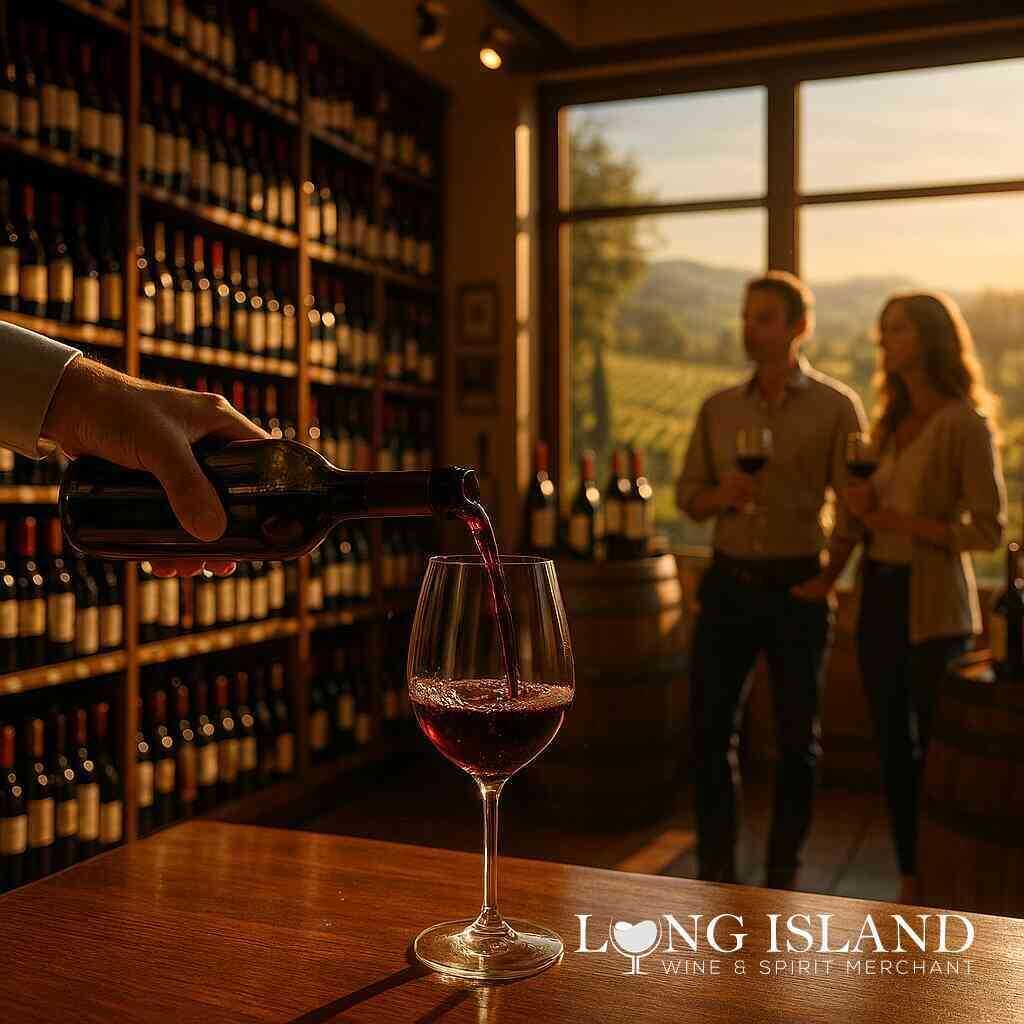
Curious drinkers in Commack no longer have to travel far to taste unusual grapes and avant-garde winemaking. A handful of local stores—led by the tasting-room style shelves at Long Island Wine & Spirit Merchant—now stock bottles that read like a world tour. This guide explains what “exotic” really means, why these wines are worth exploring, and how to navigate the options with confidence.
Why Commack Collectors Are Seeking New Flavors
Wine lovers often start with dependable classics such as Pinot Noir or Chardonnay. Over time the palate asks for more depth, different textures, and unexpected aromas. That desire for novelty, paired with better import channels and passionate local buyers, has made Commack an ideal market for rare finds. Retailers taste and vet each arrival, so shoppers gain access to quality selections that might never reach big-box chains.
What Counts as an Exotic Wine?
Exotic does not simply mean hard to pronounce. Three traits usually set these wines apart:
- Uncommon grape varieties – Think Georgian Saperavi, Japanese Koshu, or Hungarian Kekfrankos instead of the familiar Cabernet Sauvignon.
- Distinctive terroir – High-altitude vineyards, volcanic soils, or ocean-cooled valleys produce flavors outside the mainstream.
- Innovative technique – Skin-contact whites, amphora aging, or fortified methods create textures and aromatics you will not find in standard table wine.
When a bottle checks at least one of those boxes—yet still maintains balance and drinkability—it earns a slot in the exotic category.
Stand-Out Styles on Local Shelves
The following bottles appear regularly in Commack’s top shops. Availability changes fast, so use this list as inspiration rather than a fixed menu.
- Spanish Tempranillo Reserva: Dark cherry, tobacco, and a silky finish make it a crowd-pleaser for grilled meats.
- Japanese Koshu: Pale straw color, crisp citrus, and a light saline edge pair beautifully with sushi or raw shellfish.
- Taylor-style Port: Sweet red richness balanced by bright acidity; ideal with blue cheese or dark chocolate.
- Greek Assyrtiko: Mouth-watering acidity, lemon zest, and subtle sea spray; serve with oysters or goat cheese salad.
- Hungarian Kekfrankos (Blaufränkisch): Medium body, blueberry notes, and a peppery lift; chilled slightly for barbecue.
- Experimental Long Island Rosé Pet-Nat: Unfiltered sparkle, strawberry aroma, and a dry finish that keeps summer alive all year.
Sweet Red Without the Sugar Crash
Many drinkers assume sweet red wine equals syrupy dessert. Quality fortified wines prove otherwise. The key is tension—the push-pull between residual sugar and fresh acidity. Look for notes of dried fig, plum, and baking spice followed by a clean, almost zesty exit. Serve slightly cooler than room temperature and use smaller glasses to concentrate aromatics.
Rosé Beyond Warm Weather
The modern rosé movement has evolved far past patio sipping. Producers now craft versions with serious structure—barrel-aged, skin-contact, or made from darker grapes like Grenache and Syrah. These bottles handle hearty fare such as roast chicken or pork loin, allowing you to drink pink long after Labor Day.
Storage and Service Tips
Even the most captivating wine underperforms if handled poorly. Keep these basics in mind:
- Temperature: Store between 55 °F and 60 °F away from direct light. Short-term, a closet floor works better than a kitchen counter.
- Position: Lay cork-closed bottles on their side to prevent drying. Screw-caps can stand upright.
- Opening: Use a waiters-style corkscrew for control. For Port, consider a two-prong Ah-So to avoid crumbling older corks.
- Glassware: A universal tulip glass concentrates aroma. For fortified wine, choose a smaller, narrower bowl.
Bringing the Vineyard to Your Doorstep
Commack’s leading shops back up selection with well-planned delivery. Insulated vans, evening dispatch times, and upright transport keep bottles stable. Real-time tracking allows you to chill whites or decant reds just before the driver rings the bell. The result is a seamless bridge from vineyard to couch.
Building Your First Explorer Case
Ready to venture beyond routine picks? Try a six-bottle sampler using the following framework:
- One aromatic white – e.g., Moschofilero or Gewürztraminer.
- One mineral-driven white – e.g., Assyrtiko or Albariño.
- One light chillable red – e.g., Gamay or Zweigelt.
- One structured red – e.g., Tempranillo Reserva.
- One rosé with backbone – e.g., barrel-aged Grenache Rosé.
- One fortified or dessert wine – e.g., aged Tawny Port.
This mix covers a wide flavor spectrum, teaches you about food pairing, and prevents palate fatigue. Rotate varieties next time to keep learning.
Key Takeaways
- Exotic wines deliver new aromas, textures, and stories without sacrificing balance.
- Local Commack merchants taste and curate rigorously, letting shoppers buy with confidence.
- Proper storage, thoughtful service, and reliable delivery ensure every bottle shows its best.
- Building a mixed case around different styles is the fastest route to expanding your palate.
Exploring beyond familiar labels turns any ordinary evening into a mini adventure. With reputable shops doing the hard work of sourcing and vetting, all that remains is to pop the cork and enjoy the journey.
Exploring Exotic Wine Flavors in Commack's Best Stores


Comments
Post a Comment