Cold-Weather Cocktail Staples for a Cozy 2026 Home Bar
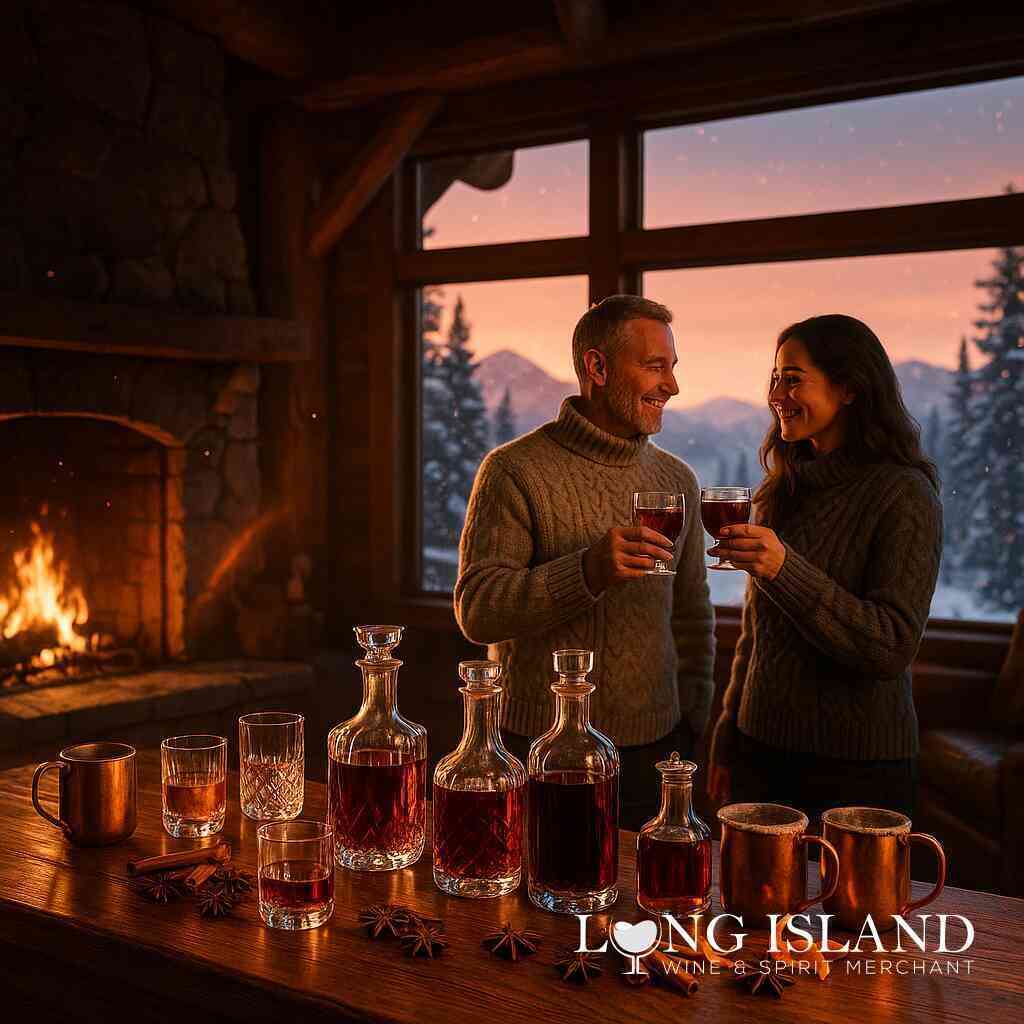
Winter Cocktail Essentials: Build a Bar That Fights the Chill
When temperatures dip, the right bottle does more than flavor a drink—it adds another log to the fire. This guide looks at the spirits, mixers, and small details that make winter cocktails feel rich and restorative.
1. Core Spirits That Warm From the Inside Out
Bourbon and Rye
• Look for an age statement of at least four years; the extra barrel time deepens caramel and baking-spice notes.
• A rye with a mash bill above 70 % rye grain lends peppery heat that cuts through creamy mixers.
Aged Rum
• Choose an amber or dark style finished in ex-bourbon barrels for vanilla and molasses depth.
• A small splash wakes up hot buttered rum, eggnog, or tiki-inspired coffee drinks.
Cognac or Brandy
• VSOP level provides enough oak character without the luxury-tier price.
• Pair with citrus liqueur for a sidecar that feels like liquid velvet.
Herbal Liqueurs and Amari
• Bitter orange, alpine herb, or cinnamon-charged formulas add mid-palate warmth.
• An ounce in a mug of hot chocolate instantly upgrades dessert.
2. Supporting Cast: Vermouth, Fortified, and Dessert Wines
Winter menus lean on body and texture. Keep both sweet and dry vermouth refrigerated once opened; oxygen dulls aromatic layers after three weeks. A bottle of ruby port or oloroso sherry covers nightcaps, cheese pairings, and the occasional Manhattan riff that swaps vermouth for fortified wine.
3. Mixers and Modifiers Built for the Season
• Maple syrup: cleaner than brown sugar syrup and easier to integrate into spirit-forward drinks.
• Cranberry or pomegranate juice: bright acidity for balance without tropical vibes.
• Chai concentrate: spices a latte-style cocktail with no steep time.
• Full-fat coconut milk: creates dairy-free richness in flips and coladas.
4. Spice Rack Must-Haves
Whole spices release deeper aromas than pre-ground versions. Stock cinnamon sticks, star anise, cloves, and cardamom pods. Toast them lightly before adding to syrups or mulled wine—they bloom like kindling.
5. Glassware That Holds Heat (or Cold)
• Double-walled mugs keep toddies warm longer without scorching hands.
• Nick & Nora coupes preserve temperature better than wide martini glasses, slowing melt on shaken cocktails.
• Heavy rocks glasses accept the oversized ice spheres that winter sippers deserve.
6. Ice Strategy When the Sun Sets Early
Larger cubes melt slowly, protecting texture in slow-sipping drinks. Freeze filtered water in silicone two-inch molds; cloudier cubes crack faster. For hot drinks, pre-warm mugs with boiling water so the first pour stays hot instead of moderating instantly.
7. Five Reliable Winter Builds
Spiced Bourbon Hot Toddy
2 oz bourbon | ¾ oz lemon | ½ oz maple | 3 dashes aromatic bitters | 4 oz hot water.
Stir and garnish with clove-studded lemon wheel.Peppermint Vodka Martini
2 oz peppermint-infused vodka | 1 oz white crème de cacao | ¼ oz dry vermouth.
Shake hard; fine-strain into a chilled coupe; rim with crushed candy cane.Dark Rum Eggnog (Batch for 6)
12 oz aged rum | 12 oz whole milk | 6 oz heavy cream | 6 oz simple syrup | 6 eggs | fresh nutmeg.
Blend, chill at least four hours, grate nutmeg before serving.Cognac Old Fashioned
2 oz VSOP cognac | ¼ oz Demerara syrup | 2 dashes orange bitters.
Build over one large cube; flame an orange peel.Amaro Hot Chocolate
1 oz alpine amaro | 6 oz dark hot chocolate | whipped cream | shaved chocolate.
The bitterness reins in sweetness and adds herbal intrigue.
8. Bottle Size Planning
Studio apartment or sprawling den, choose formats that match your consumption pace:
• 375 ml (half-bottle): ideal for niche liqueurs you only splash occasionally.
• 750 ml (standard): most economical for base spirits used weekly.
• 1 L or 1.75 L: save on frequently poured whiskey or vodka when entertaining large groups. Always confirm you enjoy a particular brand before committing to a handle.
9. Safe Storage in Drafty Homes
Keep bottles upright in a dark cabinet between 55 °F and 70 °F. Avoid attics or uninsulated garages where winter swings can force corks to contract and leak. Open vermouth lives best in the refrigerator door, while cream liqueurs appreciate temps below 50 °F to delay curdling.
10. Hosting Tips for Effortless Gatherings
- Pre-batch and chill. Combine spirits, sweetener, and bitters up to 48 hours ahead. Add citrus or dairy just before serving.
- Set up a garnish station. Bowls of citrus wheels, cinnamon sticks, and dehydrated apple chips let guests customize.
- Offer a zero-proof option. Warm spiced cider or a juniper tonic spritz keeps non-drinkers included.
- Label everything. Handwritten tags on pre-mixed bottles prevent mid-party confusion.
11. Responsible Enjoyment
Cold air slows the perception of alcohol strength. Encourage guests to alternate cocktails with water and to test outdoor footing before late-night departures.
12. Final Word
A thoughtfully stocked winter bar is less about quantity and more about purposeful layers: a backbone of aged spirits, accent bottles that bring spice or brightness, and the tools that protect temperature from first sip to last. With these essentials on hand, any snowy evening can transform into a fireside memory—no last-minute store run required.
Winter cocktail essentials from the Liquor Store Open team


Comments
Post a Comment