Choosing the Perfect Liquor Bottle Size: A Practical Guide
Understanding Why Size Shapes the Drinking Experience
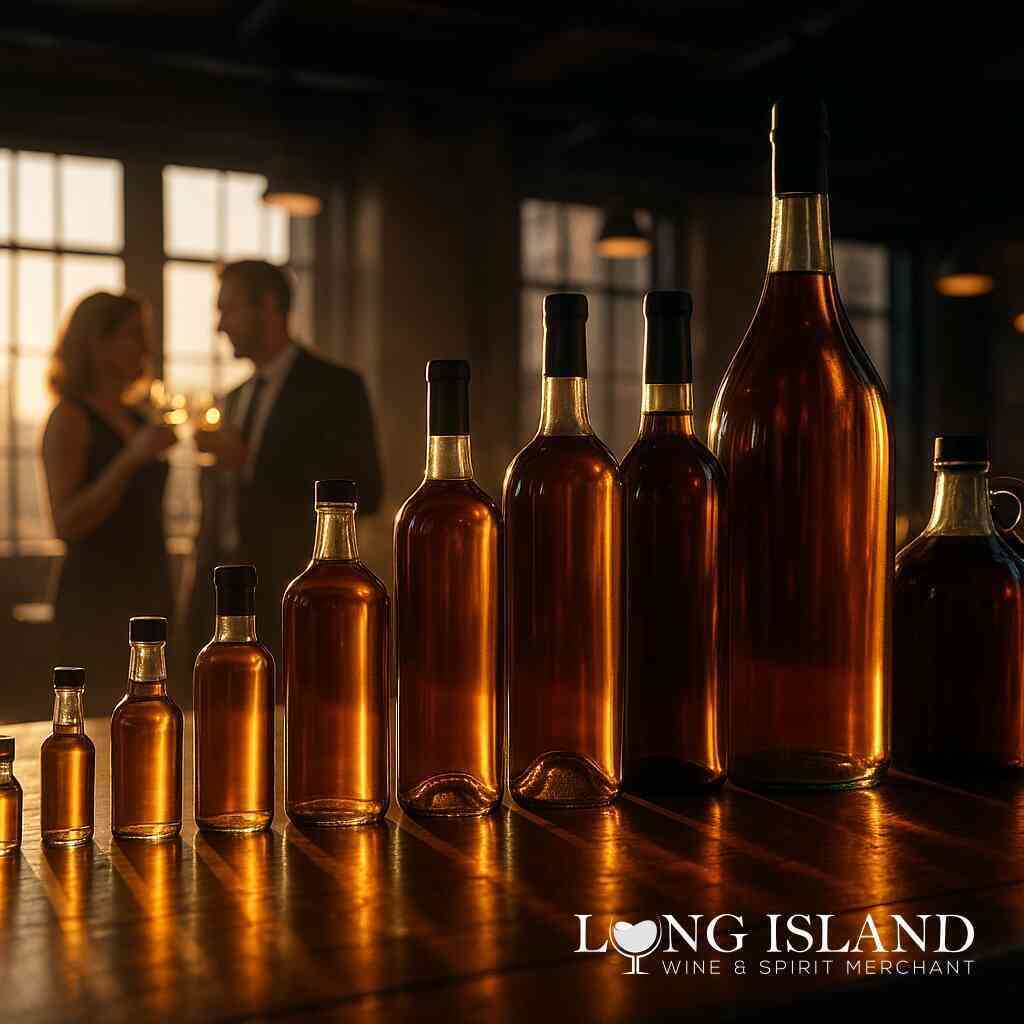
A well-chosen bottle size does more than hold liquid. It steers freshness, opens or closes budget options, and even shapes how guests remember the moment. This guide breaks down popular sizes—from the tiny split to the party-ready handle—and explains when each shines.
How Bottle Volume Affects Flavor, Cost, and Convenience
- Oxidation control – Smaller containers expose less spirit to air after opening, preserving aroma and color longer.
- Serving rhythm – Knowing that a 750 ml fifth yields seventeen standard 1.5 oz pours lets hosts predict exactly when to chill a second bottle.
- Storage efficiency – Uniform fifths line up neatly on a home bar, while a single 1.75 L handle can replace more than two fifths in the pantry.
- Price per ounce – Larger formats often drop the cost per pour, but only if the household will finish the bottle before quality slips.
The Core Line-Up of Retail Sizes
Split (187 ml) and Half Pint (200 ml)
Ideal for two glasses of sparkling wine or a private whiskey tasting. They travel easily, fit in smaller refrigerators, and cut down on unfinished leftovers. Collectors also grab half pints to test limited releases without committing to a full bottle.
Standard Fifth (750 ml)
The backbone of most bars. Cocktail recipes, speed-rail organizers, and gift bags are all built around this format. Because manufacturers bottle almost every spirit in 750 ml, shoppers enjoy the widest range of brands and price points here.
Liter (1,000 ml)
A smart middle ground for frequent entertainers. Ten extra ounces over a fifth translate into six additional cocktails—often for only a few dollars more. Bartenders rely on liters to survive happy-hour rushes without restocking midshift.
Handle (1.75 L)
When the guest list grows, value matters. A single handle supplies almost forty 1.5 oz pours, minimizing trips to the store and reducing packaging waste. Choose handles for high-volume base spirits such as vodka, rum, or tequila used in batch punches.
Magnum (1.5 L) and Larger Wine Formats
Still and sparkling wines age more gracefully in a magnum because the liquid-to-oxygen ratio slows chemical changes. For celebrations, one cork pop fills roughly a dozen flutes while adding dramatic table presence.
Matching Size to the Occasion
| Occasion | Recommended Size | Reason |
|---|---|---|
| Date night or tasting flight | Split / Half Pint | Maximum freshness, minimal waste |
| Weekend cocktails for two | Standard Fifth | Fits almost any recipe module |
| Backyard barbecue | Liter | Extra volume without awkward weight |
| Housewarming party | Handle | Low cost per drink, fewer empties |
| Anniversary toast | Magnum Champagne | Extended effervescence, visual impact |
Reading Craftsmanship Through Format Choices
Producers rarely choose packaging at random. A distiller may bottle a rye release exclusively in 375 ml half bottles to invite comparison flights. Premium Cognac in magnum indicates confidence that the spirit will soften beautifully over time. Recognizing these signals helps buyers sort novelty gimmicks from genuine aging intent.
Tips for Selecting the Right Size in 2026
- Count expected pours. Multiply guest count by serving size, then add a 10 % cushion for spillage or late arrivals.
- Check storage conditions. A tight fridge shelf might rule out magnums, while a cool basement allows safe stacking of cases.
- Factor in experimentation. Smaller bottles support multiple infusions or barrel-aged cocktail projects without risking a full liter of unused spirit.
- Mind shelf life. Liqueurs with dairy or fresh juice decline quickly; buy them small unless they will disappear within a week.
- Plan for recycling or reuse. Fewer, larger bottles cut glass waste, but attractive 375 ml bottles often become homemade syrup containers.
Frequently Overlooked Formats
- 500 ml specialty wines – Perfect for dessert pours when a full 750 ml would be excessive.
- 3 L Jeroboam – A showstopper for weddings; servers can top off flutes without juggling multiple bottles.
- 100 ml miniatures – Handy for cocktail classes or corporate gift boxes where shipping weight matters.
Building a Flexible Home Bar
A balanced shelf holds multiple sizes:
- One handle of an all-purpose mixing spirit (vodka or blanco tequila)
- Two or three fifths for staple cocktails (gin, bourbon, rye)
- A liter of crowd-pleasing rum for spur-of-the-moment punches
- A couple of half bottles of vermouth to keep aromatics lively
- One magnum of a trusted sparkling wine, ready for milestone news
This mix guards against surprise guests yet avoids the clutter—and cost—of buying everything in maximal volume.
Final Thought
Excellence in bottle size selection is a blend of math, palate, and occasion. By matching volume to purpose, hosts pour fresher drinks, stretch budgets further, and elevate every gathering from weekday nightcap to landmark celebration.
What Defines Excellence in Bottle Size Selection with Shop Liquor


Comments
Post a Comment