Best Local Craft Spirits at Long Island Liquor Store
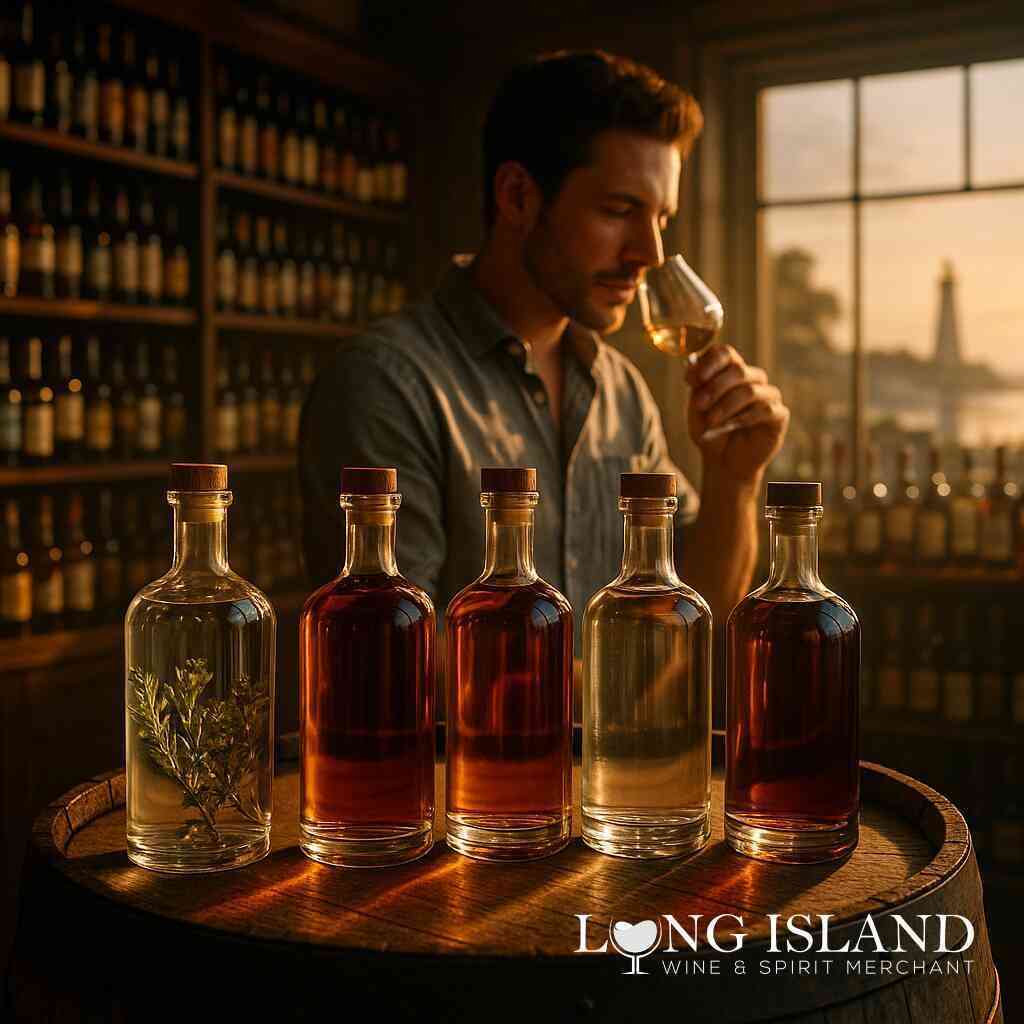
Long Island Liquor Store in Commack has become a reliable waypoint for anyone hunting small-batch spirits made right here in New York. This guide highlights five categories worth exploring on your next visit and explains why each bottle earns its place on the shelf.
1. Coastal Botanical Gins
Craft distillers on the Island lean into maritime terroir. Juniper grown near salt grass, beach-plucked mugwort, and rosemary from North Fork farms give these gins an herbaceous snap and a faint briny lift. Because most releases are pot-distilled in micro-runs, the oils remain vibrant instead of fading in transit.
Tips for tasting:
- Enjoy the first sip neat to pick up coastal salinity.
- Build a Long Island Negroni with equal parts gin, alpine-style vermouth, and a local orange bitters. A charred grapefruit twist ties the flavors together.
2. Single Malt Whiskies Aged in Wine Country Barrels
Suffolk County’s wineries supply used Cabernet Franc and Chardonnay casks that lend delicate fruit notes to regional single malts. Expect apple peel, cranberry, and a kiss of seaside smoke rather than the heavier caramel typical of Kentucky barrels.
Tasting room observations from the store’s buyers show that malts rested for 30–36 months reach a sweet spot: oak integration without overwhelming the grain. If you enjoy Scotch but want a shorter supply chain, this shelf is the place to linger.
How to serve:
- Two ounces in a tulip glass, no water at first; add a few drops after the second sip to bloom red berry notes.
- Pair with aged cheddar from the North Fork for a complete local flight.
3. Farm-to-Bottle Bourbons
Corn from the Hudson Valley, winter wheat from Riverhead, and char #3 American oak come together in tight, sub-200-barrel batches. The shorter distance from field to fermenter preserves grain sweetness, so you taste fresh corn pudding rather than generic vanilla.
Fast facts:
- Most labels mash and distill on the same farm where the grain is grown, meeting New York’s farm distillery license.
- A few producers experiment with honey-comb staves to speed up maturation without over-oaking.
Try it in:
- A Boulevardier: 1.5 oz bourbon, 1 oz local bitter liqueur, 1 oz sweet vermouth. Stirred, not shaken.
4. Molasses-Free Rums Made from Long Island Sugar Beets
Rum is traditionally cane-based, but several Suffolk producers pivot to sugar beets, an abundant cool-weather crop. Fermented beet juice yields a lighter ester profile—think pear skin and mint—while pot distillation keeps enough funk to satisfy rum nerds.
Recommended serve:
- Daiquiri variation: 2 oz beet rum, 0.75 oz fresh lime, 0.5 oz raw honey syrup. Shake hard and fine-strain.
5. Foraged Fruit Liqueurs and Amari
Last on the list but arguably the most experimental, these spirits combine wild blackberries, beach plums, spruce tips, and even oyster-shell tinctures. The results swing from bittersweet digestifs to bright, low-proof sippers that replace dessert wine.
Why they matter:
- Makers often collaborate with local foragers, strengthening sustainable harvesting practices.
- Low sugar formulas let the fruit—and occasional brine—do the talking, making them versatile in both cocktails and culinary applications.
Serving suggestion:
- Splash over crushed ice, top with soda, and garnish with a basil leaf for a two-ingredient spritz.
How the Store Ensures Quality
Long Island Liquor Store’s team tastes every prospective batch beside the still rather than waiting for distributors to pitch finished cases. They review:
- Mash bill transparency and farm provenance.
- Water source mineral content.
- Barrel regimen, including any secondary wine or beer finishes.
- Sustainability steps such as spent-grain composting or solar-powered fermenters.
Only after a spirit clears all checkpoints does it reach the Commack shelves. This gatekeeping is why many city bartenders drive east when they want a first look at upcoming releases.
Navigate Hundreds of Bottles with the Taste Quiz
A quick quiz on the store’s website matches your flavor preferences—citrus, smoke, baking spice—to specific gins, whiskies, and liqueurs. It takes under two minutes and saves you from analysis paralysis when faced with a wall of handsome yet unfamiliar labels. Retake it every few months; new products appear almost weekly.
Practical Buying Advice
- Start with one category. If you already love bourbon, sample the farm-to-bottle versions before branching into rum.
- Purchase smaller 375 mL formats when available. You can compare two or three expressions for the price of a single full-size bottle.
- Keep a simple tasting log. Jot notes on aroma, palate, and finish; patterns reveal themselves quickly.
- Support seasonal releases. Limited peach brandy or spruce-tip gin not only tastes unique—it keeps local farms funded between harvest cycles.
Final Word
The rise of craft distilling on Long Island is more than a trend; it is an agricultural feedback loop that turns local grain, fruit, and water into distinctive spirits you will not find on a global supermarket shelf. Whether you are a casual sipper or a devoted collector, the five categories above offer a clear starting map. Spend an afternoon at Long Island Liquor Store, taste with intention, and you will leave with bottles that tell a story of shoreline breezes, vineyard barrels, and the steady hands of New York farmers turned distillers.
Top 5 Craft Spirits to Explore at Long Island Liquor Store Near Me


Comments
Post a Comment