Top Alcohol Delivery Trends Reshaping E-Commerce in 2025
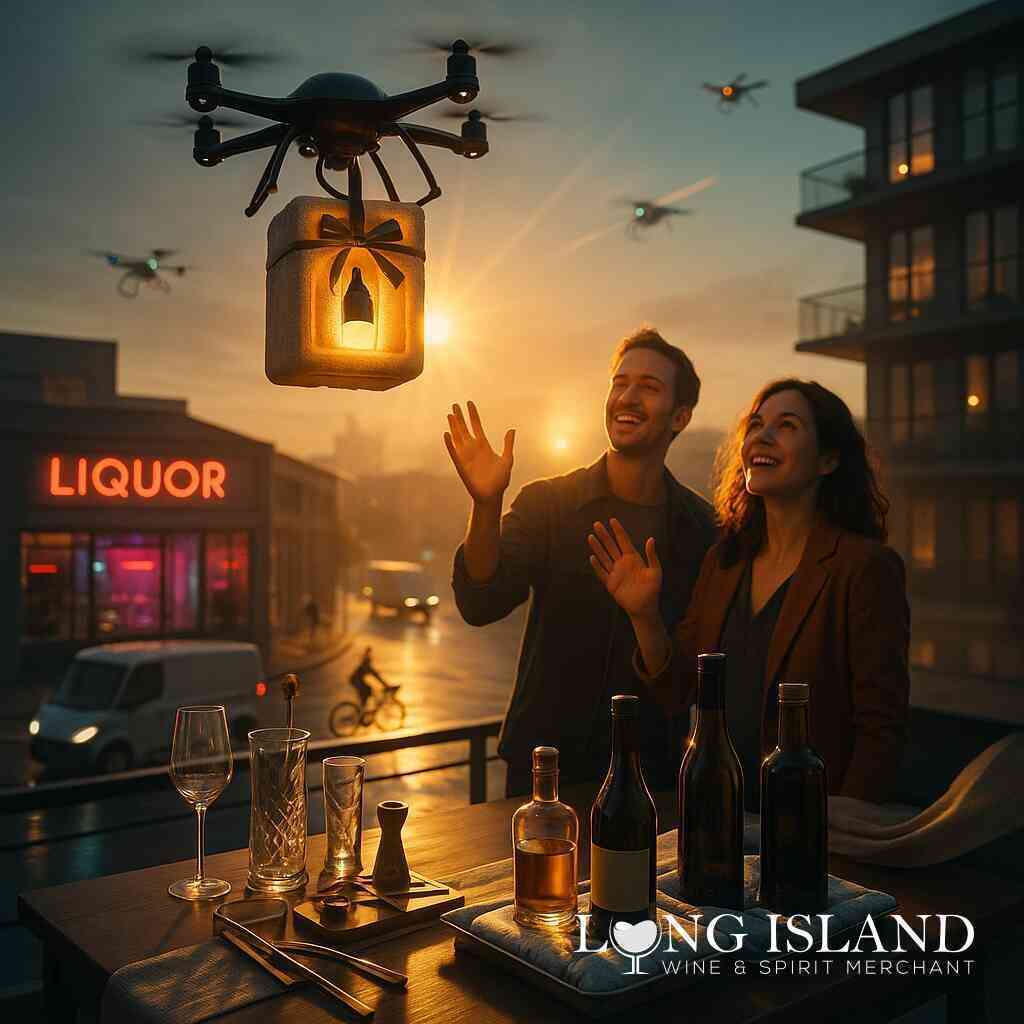
Key Trends Driving Alcohol Delivery in 2025
Online liquor sales no longer feel novel; they feel expected. This overview highlights the most important shifts that are shaping how consumers discover, purchase, and receive beer, wine, and spirits in 2025.
1. Seamless Digital Checkout Is the Default
Ordering a bottle now mirrors adding a song to a playlist. Modern platforms collapse product search, age verification, and payment into a single uninterrupted flow. Shoppers tap through tasting notes, food-pairing tips, and cocktail recipes without hitting a dead end that forces them to re-enter data.
- One-click reorders turn a favorite bourbon or rosé into a standing refill.
- Digital wallets and installment options remove the pause caused by long credit-card forms.
- Behind the scenes, ID-verification APIs check birth date and government records in seconds, keeping compliance invisible.
The new baseline: a cart that goes from browse to “order confirmed” in under a minute.
2. Hyperlocal Speed Meets Nationwide Reach
Two delivery layers now coexist and often overlap.
Hyperlocal same-hour service brings a six-pack or chilled prosecco to urban customers before the party playlist ends. Proprietary driver fleets use insulated packaging and real-time traffic data to protect temperature-sensitive bottles.
Nationwide fulfillment hubs expand a neighborhood shop’s audience from zip code to time zone. Advanced routing software evaluates weather patterns, carrier strike risks, and state regulations before printing a label, ensuring a Barolo leaves New York and arrives in Arizona at the right temperature and fully compliant.
Consumers win on both fronts. City dwellers get immediacy, while rural buyers gain access to small-lot releases once confined to metro shelves.
3. AI-Powered Curation Replaces Endless Scrolling
Choice fatigue is real when thousands of SKUs fight for attention. Retailers answer with machine-learning engines that act like a digital sommelier.
- Algorithms scan prior purchases, wish-lists, and flavor quizzes to build personalized line-ups.
- Taste profiles evolve with every order—prefer citrus-forward gin today, expect yuzu-infused liqueur suggestions tomorrow.
- Seasonal context matters; beach weather boosts canned spritz visibility, while football season lifts barrel-aged stout recommendations.
The result is a shopping experience that feels guided rather than overwhelming—discovery without the rabbit hole.
4. Smarter, Safer Age Verification
Compliance remains non-negotiable, but the customer no longer notices the friction. Multilayer tools now combine:
- Government-ID database checks at checkout.
- Biometric selfie matches when risk signals trigger.
- Encrypted delivery-time PINs so the driver hands the box only to the verified adult.
These safeguards reduce underage access and chargeback fraud while preserving the “few-tap” purchase journey consumers expect.
5. Sustainability Moves From Bonus to Baseline
Climate-conscious packaging is no longer a nice-to-have. In 2025, most leading platforms employ:
- Recyclable molded pulp instead of Styrofoam for bottle insulation.
- Algorithmic load planning that fills delivery vans to cut miles traveled per order.
- Carbon metrics displayed at checkout so shoppers can choose slower, greener shipping when speed is not critical.
Stores that ignore environmental optics risk losing the growing segment of eco-focused drinkers who weigh values alongside price.
6. Regulatory Clarity Unlocks Cross-State Growth
State alcohol laws remain steeped in Prohibition-era complexity, yet progress is visible. Clearer guidelines around direct-to-consumer shipping, local fulfillment partnerships, and third-party marketplaces give merchants the confidence to invest in broader distribution.
The trend is toward reciprocity frameworks: if a winery in one compliant state follows uniform labeling and tax rules, another compliant state lets shipments flow with minimal extra paperwork. Consumers enjoy a broader catalog, and regulators retain the data they need for enforcement.
7. Premium RTD and No-Alcohol Lines Expand Carts
Ready-to-drink cocktails now boast high-end ingredients, complex flavors, and thoughtful branding. A Negroni in a can or a barrel-finished Old Fashioned in a bottle feels worthy of a holiday gift basket, not just a beach cooler.
Parallel to the RTD boom, non-alcoholic spirits and zero-proof beers finally taste good. People seeking moderation still get the ritual of mixology and food pairing, pushing average order values higher as households buy both full-strength and alcohol-free options in the same session.
How Retailers Can Keep Pace
- Invest in back-end automation. A single source of truth for inventory, shipping rules, and compliance prevents costly bottlenecks when demand spikes.
- Adopt flexible last-mile models. Combine in-house couriers for high-density zones with carrier partnerships for farther destinations.
- Prioritize data transparency. Offer clear tracking, carbon stats, and allergen labels so customers feel in control from checkout to unboxing.
- Refresh content continuously. Tasting videos, recipe reels, and live virtual tastings keep engagement high and encourage repeat visits.
Looking Ahead
2025 has normalized the idea that any bottle—rare Japanese whisky, skin-contact white, or alcohol-free aperitivo—should be just a few taps away and arrive in perfect condition. From AI curation to climate-smart packaging, the winning players treat technology as an enabler of hospitality, not a replacement. As consumer expectations keep rising, retailers that blend speed, personalization, and transparent ethics will set the standard for alcohol delivery’s next chapter.
What Are the Key Trends in Alcohol Delivery in 2025


Comments
Post a Comment