Top 5 Smithtown Wine Pairings for Local Food Lovers
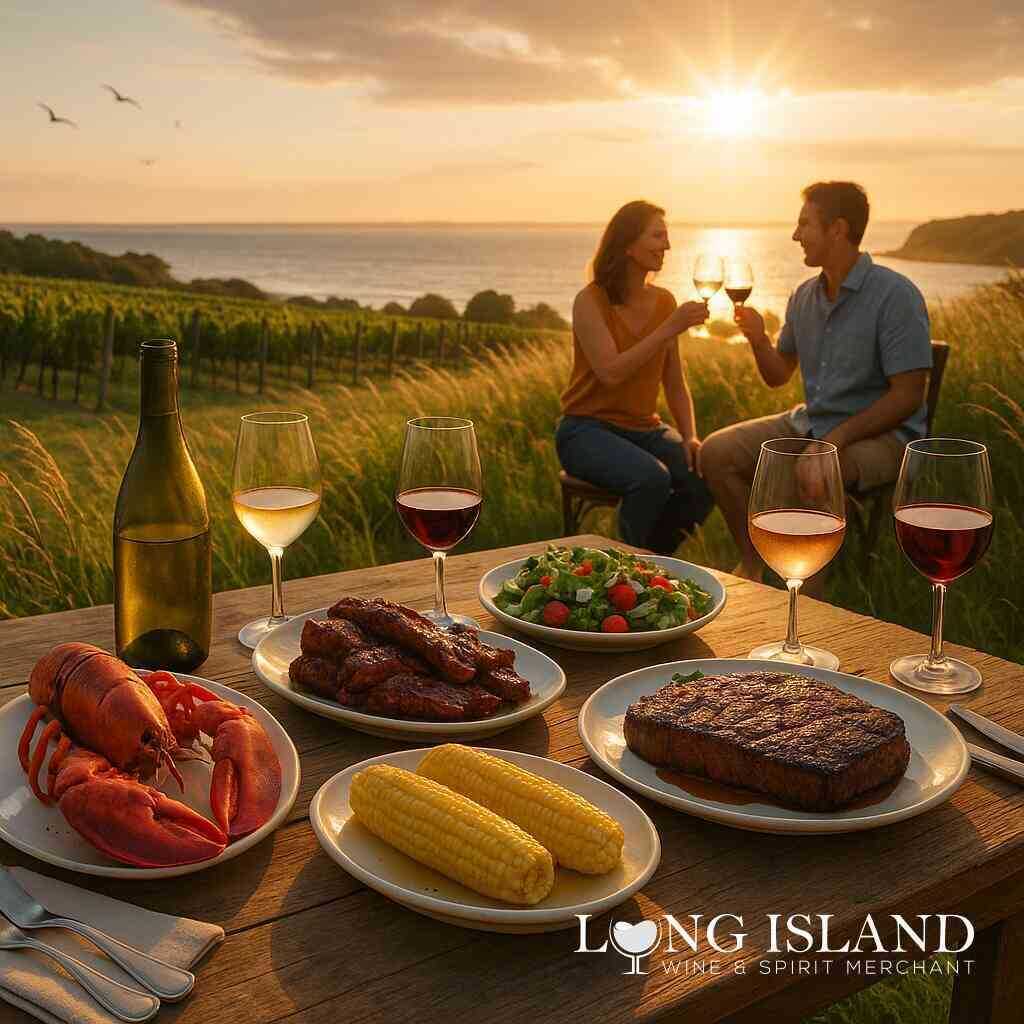
Smithtown diners love to talk about two things: what is fresh and what pours well beside it. This guide highlights five local food-and-wine matches that deliver balance, place, and a little bit of Long Island pride. Every pairing can be found on shelves in town, and each speaks to the maritime climate that shapes both our vineyards and our farms.
Why Smithtown Pairings Feel Different
Long Island vineyards sit between the cool Long Island Sound and the warmer Atlantic. That temperature tug-of-war slows ripening, locks in acidity, and produces wines with bright fruit framed by refreshing structure. When those bottles meet seafood, duck, or seasonal produce grown within the same coastal band, the results often feel effortless because the ingredients share a climate signature. Think of it as terroir squared: grape varieties and local dishes both carry the stamp of salty air, sandy soils, and four-season farming.
1. Montauk Lobster & Long Island Sauvignon Blanc
Why It Works
Butter-drenched lobster is sweet and rich. A local Sauvignon Blanc counters that weight with high acidity and subtle salinity reminiscent of sea spray. Herbal notes—think lemon verbena and cut grass—echo the lobster’s delicate mineral nuance without overwhelming it.
Serving Tips
- Chill the wine to about 50 °F. Too cold and the aromatics hide; too warm and the acidity softens.
- Skip heavy oak. Unoaked or lightly oaked styles keep the pairing crisp.
- Offer lemon wedges sparingly—the wine already brings citrus lift.
Quick Tasting Note
Expect grapefruit zest, green apple skin, and a hint of wet stone. The finish is clean, leaving the palate ready for the next buttery bite.
2. North Fork Duck Breast & Merlot
Why It Works
Free-range duck from surrounding farms carries gamey richness plus a layer of fattiness under the skin. Merlot grown on the North Fork ripens just enough to show plum and black cherry, yet retains soft tannins thanks to the maritime breeze. Those tannins cut through duck fat while fruit sweetness highlights the meat’s earthy appeal.
Serving Tips
- Aim for a wine temperature near 60 °F so tannins stay supple.
- Season the duck simply—salt, pepper, and maybe thyme. Complex spice rubs can obscure the pairing.
- Rest the meat well; the first pour should meet warm, juicy slices, not piping-hot steam that strips aroma.
Quick Tasting Note
Look for ripe plum, cocoa dust, and a gentle cedar edge. A faint savory note—often olive tapenade—mirrors the duck’s depth.
3. Peconic Bay Oysters & Brut Sparkling Rosé
Why It Works
Raw oysters scream for acid and bubbles. A brut sparkling rosé made from Cabernet Franc or Pinot Noir provides both, plus a hint of red-berry fruit that turns a briny slurp into something almost luxurious. The effervescence scrubs the palate, readying it for the next shell.
Serving Tips
- Keep bottles on ice; 45 °F is ideal.
- Pour into white-wine stems, not flutes, to expose more aroma.
- A squeeze of local horseradish can amplify the berry notes in the wine.
Quick Tasting Note
Strawberry skin, cranberry, and a salty chalk finish ride on fine, persistent bubbles.
4. East End Mushroom Risotto & Cabernet Franc
Why It Works
Risotto’s creamy texture begs for a medium-bodied red with good acidity. Cabernet Franc offers savory herb, pepper, and red-fruit tones that weave neatly through earthy mushrooms. Its moderate tannin provides grip without turning the pairing bitter.
Serving Tips
- Use mushroom stock instead of chicken stock to intensify umami.
- Stir in grated Pecorino rather than heavier Parmigiano; the sharper cheese mirrors the wine’s brightness.
- Decant the wine for 20 minutes if it is a recent vintage. Oxygen helps relax youthful edges.
Quick Tasting Note
Think raspberry, bell pepper, and forest floor. A touch of violet on the finish keeps the mood elegant.
5. Strawberry Shortcake & Late-Harvest Riesling
Why It Works
Local strawberries peak in early summer, delivering concentrated sweetness and acidity. A late-harvest Riesling meets that profile with honeyed citrus and enough residual sugar to match the dessert without cloying. Natural high acid prevents the combination from feeling heavy.
Serving Tips
- Serve the wine around 48 °F so aromatics bloom.
- Macerate strawberries with a splash of the same Riesling to bridge flavors.
- Keep whipped cream gently sweetened; too much sugar can flatten the wine.
Quick Tasting Note
Expect candied lime, peach nectar, and subtle petrol. The finish is long, finishing with a mouth-watering snap.
Building Your Own Seasonal Matches
The pairings above rely on a simple principle: start with what grows nearby, then reach for a wine that answers the dish’s weight and flavor intensity. Here is a quick cheat sheet you can adapt as markets shift:
- Light seafood or raw dishes → high-acid whites (Sauvignon Blanc, Albariño, dry Riesling).
- Poultry and pork → medium-bodied reds or fuller whites (Merlot, Chardonnay, Viognier).
- Rich red meat or aged cheese → structured reds (Cabernet Sauvignon, Petite Verdot).
- Spicy fare → off-dry whites or low-alcohol reds to calm heat.
Seasonality matters. Tomatoes in July carry more sugar than in October, so a July caprese might want zesty rosé, while the same dish in fall could handle a richer Verdicchio. Keep a small tasting notebook; jot down produce, preparation, and the bottle poured. Patterns emerge quickly, and buying becomes easier each trip.
Storage and Service Quick Reference
- Whites & Rosés: 45–55 °F
- Light to Medium Reds: 55–60 °F
- Full-Bodied Reds: 60–65 °F
- Sparkling: 40–45 °F
- Cellar Conditions: 55 °F, 60–70 % humidity, dark, vibration-free
Handling temperature properly protects investment and elevates flavor. A too-warm white tastes flabby; an over-chilled red hides fruit.
Final Thought
Smithtown sits in a sweet spot for epicurean exploration. Ocean, estuary, and farmland all lie within an hour’s drive, giving residents unmatched access to fresh ingredients and expressive wines. Use the five pairings above as a springboard, then let curiosity guide future matches. The best bottle is not always the rarest—it is the one that turns tonight’s local bounty into a memorable meal.
What Are Smithtown's Ultimate Top 5 Wine Pairings?


Comments
Post a Comment