Suffolk County Wine Tastings: Terroir, Tours, Tips & More
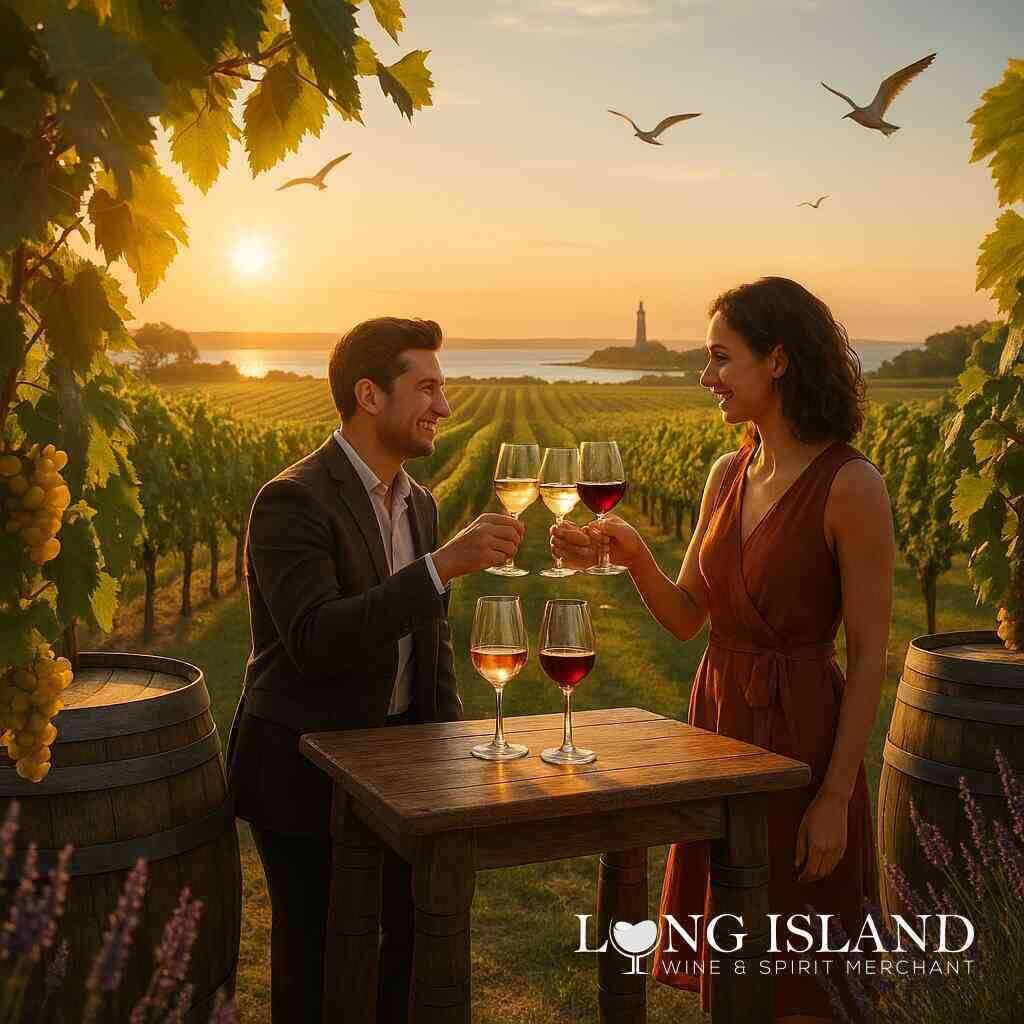
Discover Why Suffolk County Is a Wine-Tasting Standout
Suffolk County has emerged as one of the most rewarding places for wine tasting in the Northeast. This overview explains how its coastal terroir, thoughtful farming, and guest-friendly culture turn every visit—or delivery—to a memorable experience.
Atlantic Breezes, Glacial Soils, Remarkable Flavor
The county’s vineyards sit between Long Island Sound to the north and the Atlantic Ocean to the south. Salt air cools afternoon temperatures, while glacial deposits leave alternating bands of gravel, clay, and sand.
- Gravel drains quickly, stressing vines just enough to deepen flavor.
- Clay holds moisture, allowing steady ripening through late fall.
- Daily shifts of only a few degrees protect vibrant acidity.
Together these factors produce whites with crisp citrus lift and reds with plush texture but moderate alcohol. A glass of North Fork sauvignon blanc often carries a subtle saline edge, while local merlot shows ripe berry notes without excess heat.
Sustainable Practices You Can Taste
Many Suffolk growers rely on cover crops, organic compost, and limited irrigation. These methods do more than protect the environment—they amplify character in the glass.
- Deep roots pull trace minerals that create layered aromatics.
- Natural predators, not chemicals, manage vineyard pests, preserving purity.
- Hand picking lets crews sort fruit gently, so fewer harsh tannins reach the fermenter.
The result is white wine that stays bright without added acid and sweet red styles that feel balanced rather than cloying.
Touring the Long Island Wine Trail
The region is compact; most estates lie within a 30-mile stretch. That makes it easy to compare micro-climates in a single day.
Suggested Route for a Relaxed Day
- Morning: Begin at a small North Fork cellar that specializes in steel-fermented whites. Early tastings are quiet, and the wines show best at cooler temperatures.
- Midday: Break for a farm-to-table lunch—many vineyards host chefs who pair dishes with estate bottles.
- Afternoon: Head south toward the Peconic Bay side for a reserve red flight. Merlot, cabernet franc, and red blends benefit from slightly warmer pockets there.
- Sunset: Finish with a rosé on a deck facing the Sound. Light shifts in the evening chill highlight rose petal and strawberry notes.
Leave at least 90 minutes per stop to walk the vines, talk with staff, and jot quick tasting notes.
Transportation Pointers
- Book a shared shuttle or vintage trolley if traveling with friends.
- Schedule a rideshare in advance; weekend demand often runs high.
- Keep water and light snacks on hand. Hydration sharpens the palate.
When the Vineyard Comes to You
Busy schedules do not have to block discovery. Several merchants now ship mixed cases curated to personal taste. A short palate quiz usually matches preferred sweetness, body, and price range, then selects bottles from multiple properties. Because wine ships from within New York State, delivery times stay short and temperature swings minimal.
How to Make Home Tastings Count
- Chill whites to about 50 °F and let reds warm toward 60 °F.
- Use clear tulip-shaped stems for both styles; the narrower rim directs aromas upward.
- Limit flights to four wines at a time. Attention fades quickly beyond that.
- Take simple notes: color, aroma, first impression, finish. Over time patterns appear, guiding smarter purchases.
Seasonal Events Worth Planning Around
Suffolk County vineyards build community through frequent public programs.
| Season | Highlight | Why It Matters |
|---|---|---|
| Spring | Barrel tastings | Preview future releases and learn how oak influences texture. |
| Summer | Jazz on the lawn | Evening temperatures dip, letting whites and rosés shine. |
| Fall | Harvest walks | Grapes at full ripeness illustrate tasting-room talk in real time. |
| Winter | Library-wine dinners | Older vintages reveal how local reds age gracefully. |
Reserve tickets early—many gatherings cap attendance to keep the focus intimate.
Building a Suffolk-Inspired Home Cellar
After visiting (or sampling remotely), stocking up extends the learning curve.
- Dry white staples: sauvignon blanc, steel-aged chardonnay, albariño.
- Food-friendly reds: merlot, cabernet franc, Bordeaux-style blends.
- Lighter expressions: rosé for year-round pairing, pét-nat for brunch.
- Sweet finishes: late-harvest chenin blanc or fortified red made from local cabernet.
Store bottles sideways around 55 °F and 60 % humidity. Most North Fork whites drink best within three years; reserve reds comfortably rest five to eight.
Quick Reference Tips
- Visit tasting rooms before noon for personal attention.
- Ask to sample oysters or local cheese alongside whites; regional pairings enhance place identity.
- Pack a light jacket even in July—waterfront breezes cool fast after sunset.
- Note vintage variation. Cool years boost acidity, warm years add tropical notes.
Final Pour
Suffolk County delivers a full spectrum of wine experiences without requiring a cross-country trip. Maritime climates craft distinctive flavors, sustainable farming protects them, and a welcoming hospitality scene shares them in person or at your doorstep. Whether touring vines framed by lavender or clinking glasses at home, each bottle offers a lesson in how place shapes taste. Cheers to discovering that story one sip at a time.
How Suffolk County Elevates Wine Tastings Near You


Comments
Post a Comment