Spirits Alchemy: Inside the Liquor Store Open Masterclass
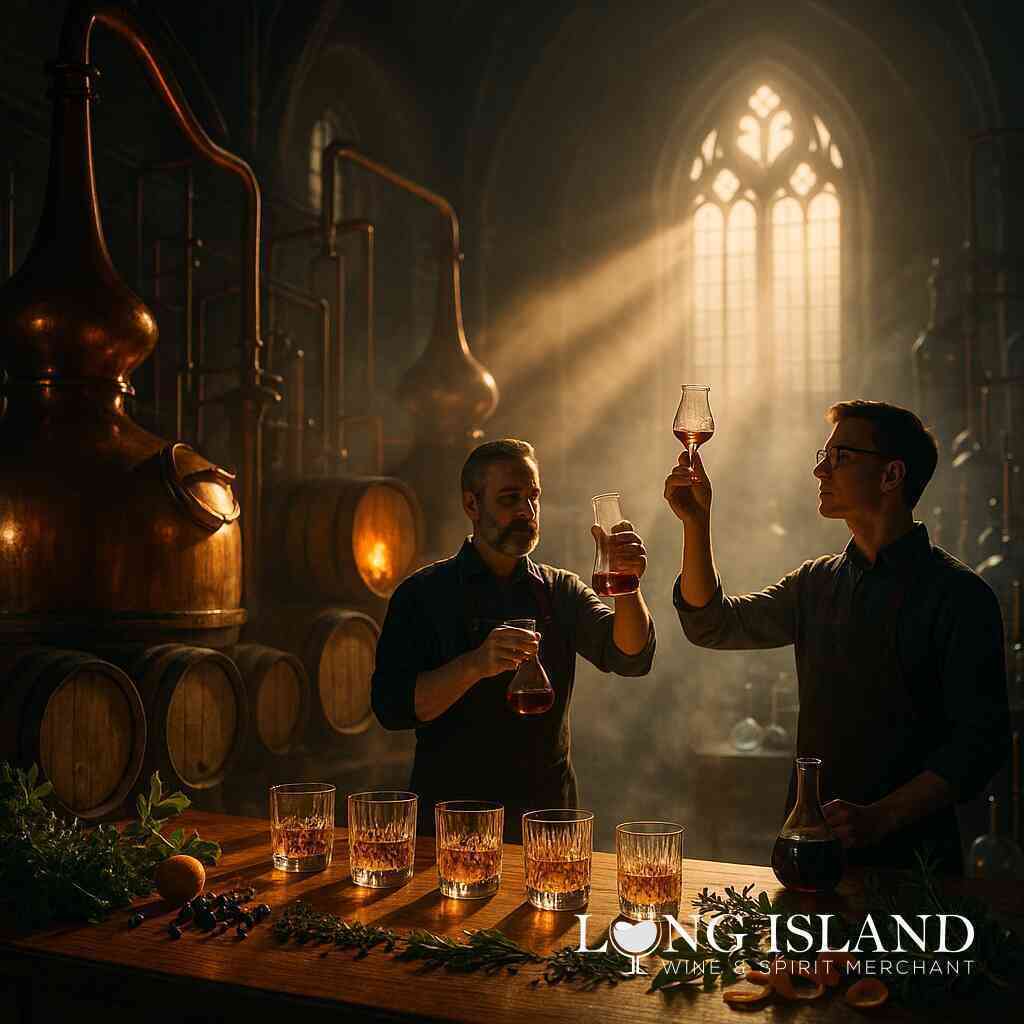
Long Island’s Modern Classroom for Fine Spirits
The Liquor Store Open Masterclass explores spirits production and tasting from grain to glass. Developed by the team behind Long Island Wine & Spirit Merchant in Commack, the program blends local heritage with global sourcing knowledge. Students examine vodka filtration, bourbon maturation, and botanical infusions while learning to evaluate aroma, texture, and balance with professional tools.
Community Roots and National Reach
Commack, New York, provides the physical hub. Early customer feedback in this suburban setting shaped services such as bottle engraving, custom case assembly, and curated flights. Over time, the shop gained compliance expertise that allows secure spirits shipping to nearly every state. The dual local-national model demonstrates that small-town hospitality can pair with large-scale logistics without compromising quality.
Data-Driven Palate Mapping
Before touching a still or blending beaker, each participant completes an interactive taste quiz. The questionnaire measures sensitivity to sweetness, char, citrus, and texture. Instructors transform the responses into individualized tasting paths. Someone with high vanilla perception may focus on charred-oak bourbons, while another with strong citrus detection might dive into gin botanicals. Quantifying preference in this way mirrors best practices in sensory science and supports measurable learning outcomes.
Sensory Calibration Techniques
Accurate tasting depends on disciplined observation. Laboratory sessions employ standardized tulip glasses, neutral backdrops, and controlled lighting. Nosing drills cover forty core aroma compounds spanning esters, phenols, aldehydes, and congeners commonly found in global spirits. Repeated exposure builds memory recall, a skill prized by distillers and judges alike.
Texture analysis follows. Students gauge viscosity and temperature influence across vodka, rum, and liqueurs. Mouthfeel notes help explain why dilution alters botanical expression or why higher glycerol levels in some vodkas enhance perceived sweetness. The structured approach aligns with industry certifications that prioritize objective evaluation over subjective reaction.
Vodka: Charcoal to Silver Filtration
Vodka’s reputation for neutrality hides significant chemical nuance. The module compares continuous-column distillate to small-batch pot spirit, then demonstrates charcoal, quartz, and silver filtration methods. Pressure, flow rate, and charcoal pore size are adjusted to show real-time clarity changes. Sensory panels record minerality differences between triple and quintuple filtrations, illustrating how process decisions shape texture as much as raw ingredients.
Bourbon: Barrel Science and Maturation Curves
Bourbon instruction centers on American white oak. Charring levels, stave seasoning, and warehouse climate are examined alongside chemical pathways that convert lignin into vanillin. Participants track changes in color and aroma over staged maturation intervals, replicating the decision points master distillers face when selecting single-barrel releases versus batch blends.
Key Laboratory Metrics
- Entry proof and its effect on extraction rates
- Temperature fluctuation inside rickhouses
- Angel’s share calculations and evaporation control
Gin and Botanical Alignment
Building on palate-quiz findings, the class formulates custom gins. Juniper remains mandatory, but coriander, citrus peel, and floral components are adjusted based on group sensory data. A rotary evaporator illustrates how lower-temperature distillation preserves delicate top notes, while traditional Carter-Head stills show the impact of vapor infusion on mouthfeel.
Integration of Opposites: The Alchemical Principle
Throughout the curriculum, faculty emphasize the historical metaphor of alchemy: opposites combine to create transformation. Local terroir meets global technique, analytical metrics meet sensory intuition, and tradition meets e-commerce logistics. The result is a comprehensive framework that equips graduates to assess, craft, or simply appreciate fine spirits with professional confidence.
Conclusion
By merging evidence-based tasting methods, hands-on production exercises, and community-led service innovations, the Liquor Store Open Masterclass positions Long Island as an unexpected yet authoritative center for spirits education. Graduates leave with refined sensory skills and a practical understanding of how raw materials and process variables converge to shape every bottle on the shelf.
https://www.liquorstoresopen.com/how-liquor-store-open-masterclass-teaches-spirits-alchemy/


Comments
Post a Comment