Smart Online Absinthe Selection: Styles, Laws, Flavor Tips
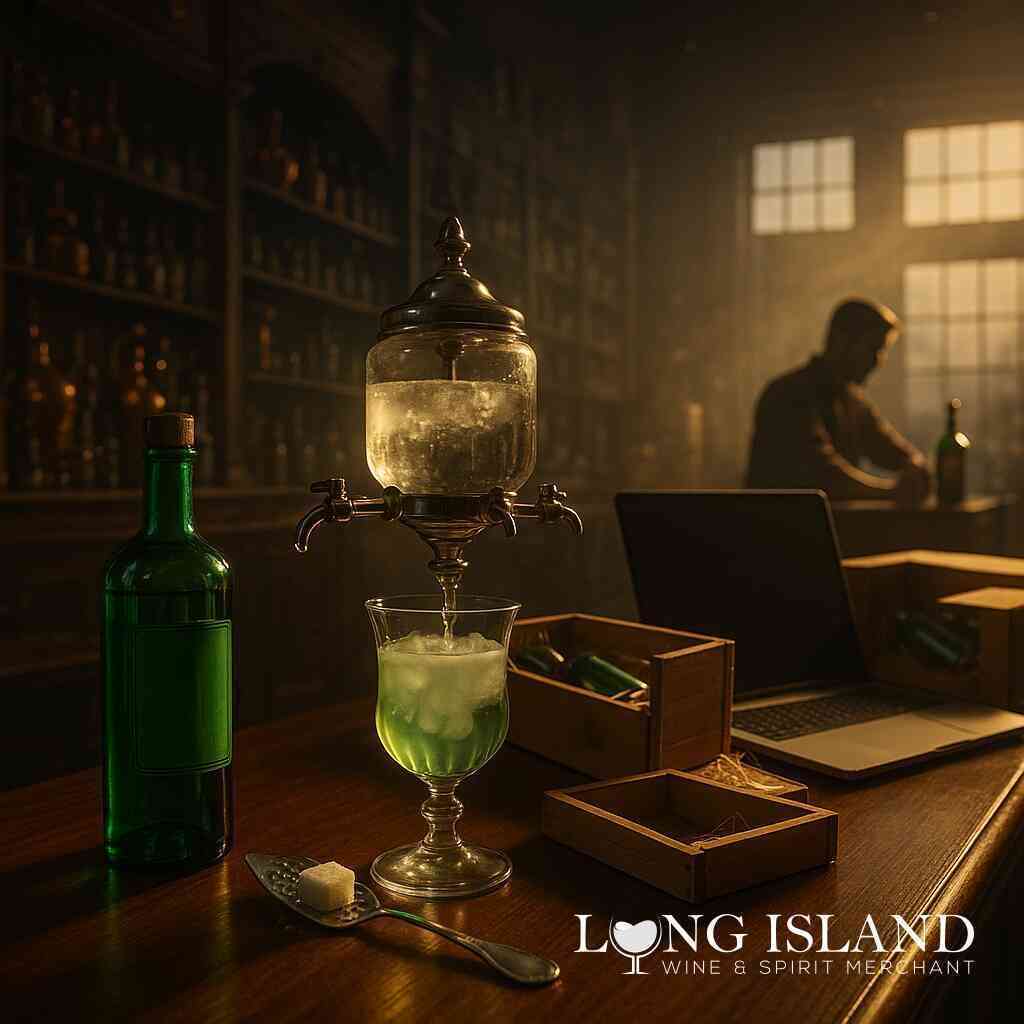
Online absinthe selection feels almost too easy in 2025—type a brand name, press buy, and an emerald bottle ships to your doorstep. Yet the best experiences still come from deliberate choices, not random clicks. This guide explains how to evaluate styles, botanicals, and regulations so every purchase supports the flavor profile you actually enjoy.
1. Understand the Three Core Styles
- Verte (green) – Classic emerald tone from post-distillation maceration with fresh herbs. Expect bold anise and peppery wormwood, a thick louche when diluted, and a backbone strong enough for cocktails like the Sazerac.
- Blanche (clear) – Distilled and bottled without coloring. The absence of chlorophyll yields a lighter body and softer fennel sweetness. Ideal for neat sipping or subtle highballs when you do not want to tint a drink green.
- Rouge (red) – Tinted with hibiscus, rose hips, or pomegranate. Flavors lean toward tart fruit and gentle spice. The color can be visually striking in a Champagne cocktail or as a dessert pairing.
Knowing which style matches your preferences prevents buyer’s remorse. If you love bold licorice, verte is usually safer; if florals appeal, blanche or rouge may surprise you.
2. Key Botanicals and Why They Matter
Absinthe is more than wormwood, anise, and fennel. Craftspeople layer additional herbs, each shifting the final taste:
- Hyssop – Offers minty freshness and helps create a creamy louche.
- Melissa (lemon balm) – Adds bright citrus lift that can lighten heavy anise.
- Angelica root – Contributes earthy depth and a dry finish.
- Coriander seed – Introduces subtle pepper and floral notes.
Read producer notes for these secondary botanicals. If you prefer crisp, gin-like profiles, look for recipes highlighting lemon balm or coriander. Earthier palates might chase hyssop and angelica.
3. Thujone Limits and Safety Myths
United States law allows a maximum of 10 ppm thujone. European producers targeting export markets follow similar thresholds. Modern labs verify each batch, so the famous “hallucinations” touted in 19th-century newspapers are folklore rather than fact. What this means for the shopper:
- Any reputable retailer selling to U.S. addresses will list the product as “thujone compliant.”
- Higher price does not equal higher thujone; quality depends on distillation skill and raw botanicals.
If you see marketing promising an “illegal strength” experience, consider it a red flag for unreliable sourcing.
4. Reading the Label Like a Buyer
A thoughtful bottle description contains four signals of authenticity:
- Base spirit – Grape eau-de-vie often yields a softer finish than neutral grain spirit.
- Distillation vs. oil mix – True absinthe is distilled. Cheaper imitations simply blend flavor oils into alcohol.
- Country or region – Val-de-Travers (Switzerland) and Pontarlier (France) carry centuries of heritage; U.S. craft distillers may highlight local wormwood farms.
- ABV – Traditional verte ranges 60–72 percent. Lower ABV can taste muted when diluted, yet it simplifies shipping to some states.
Compare two or three labels before you buy. Differences quickly become obvious once you know what to scan.
5. Choosing Between French, Swiss, and American Bottles
• French expressions tend toward larger production, consistent herbal warmth, and classic cocktail utility.
• Swiss blanche styles focus on pristine purity and a dry, alpine character.
• American craft examples often experiment with regional botanicals—think spearmint from Oregon or local honey as a sweetening agent.
Rather than ranking one country above another, match origin to intended use. Want to replicate Belle Époque recipes? French classics fit. Exploring new flavor twists? A small-batch U.S. release can be rewarding.
6. Bottle Size, Freshness, and Delivery
Absinthe’s vibrant color can fade if exposed to light or heat. When ordering online:
- Prioritize retailers who turn inventory quickly; fresher stock keeps its hue and aromatics.
- Single-serving 200 ml or 375 ml bottles allow affordable tastings across brands.
- Warm-weather shipping often includes ice packs or faster transit—worth the small surcharge in July and August.
7. Simple At-Home Tasting Routine
- Pour one ounce into a clear glass.
- Add one ounce of iced water, drip by drip, watching for the louche.
- Smell first aroma burst—usually anise.
- Add a second ounce of water to open secondary notes.
- Sip, holding the liquid mid-palate for five seconds, then exhale to gauge finish.
Recording impressions immediately helps create a personal reference library you can revisit before the next purchase.
8. Quick Checklist Before You Click “Add to Cart”
- Do I know whether I prefer verte, blanche, or rouge?
- Does the botanical list align with flavors I enjoy in gin or herbal liqueurs?
- Is the ABV appropriate for my planned dilution or cocktail use?
- Is the retailer transparent about stock dates and compliant shipping?
- Have I compared at least two producers in the same price band?
Answering these questions takes two extra minutes and elevates selection from guesswork to confident decision.
9. Final Thought
Absinthe’s mystique once stemmed from secrecy. Today the real secret is simply informed choice. Style, ingredient clarity, and regulatory knowledge guide you to a bottle that rewards rather than surprises. Spend a few moments up front and the green fairy repays you with a glass that captures history, craft, and unmistakable flavor in every swirling ribbon of louche.
https://www.orderalcoholonline.com/what-are-the-secrets-to-online-absinthe-selection/


Comments
Post a Comment