Seasonal Wine Guide at Long Island Liquor Store in 2025
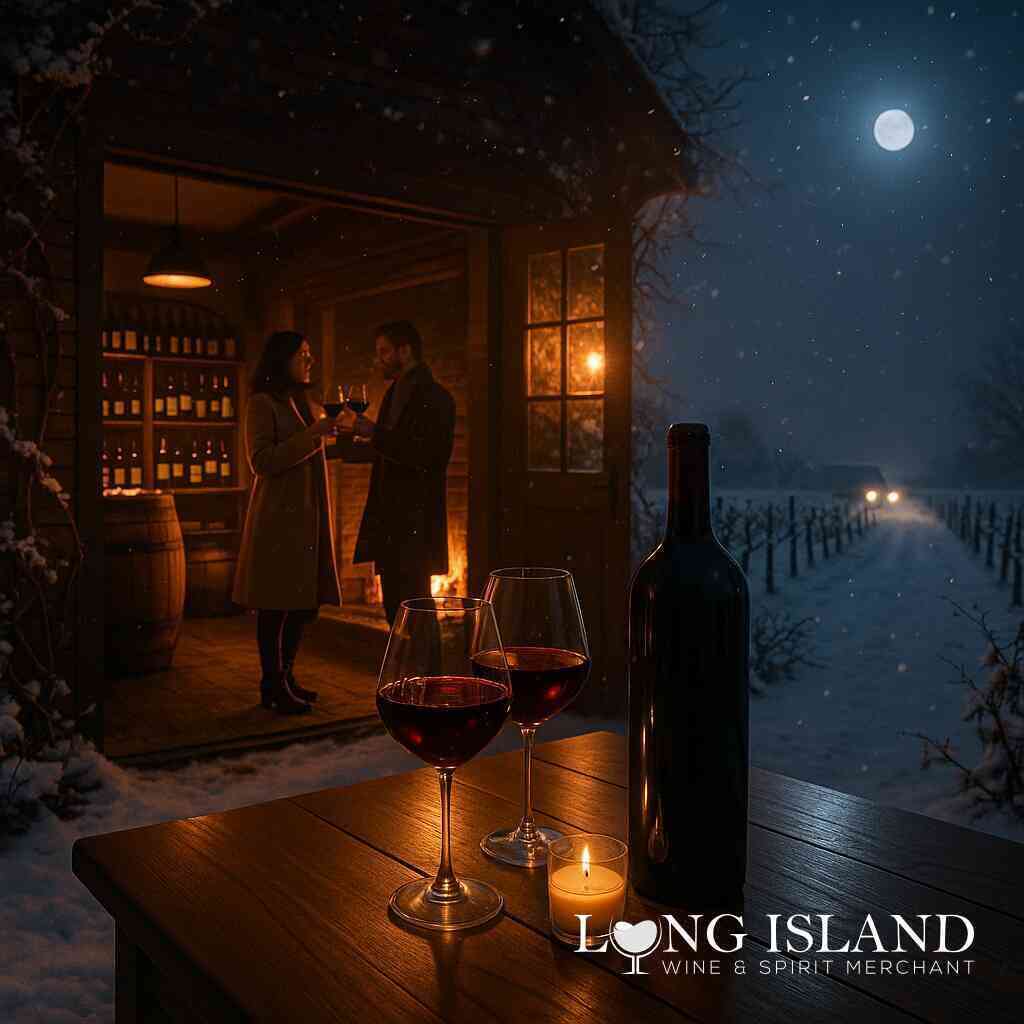
Winter-Ready Bottles From a Commack Cellar
Long Island Liquor Store may be rooted in Commack, yet temperature-controlled vans and trusted carriers now put its shelves within reach of every U.S. address. This overview explains how the shop curates a winter portfolio, which styles shine with cold–weather food, and the simple tools—like its popular taste quiz—that make precise selection easy.
Why Seasonal Wine Still Matters
Grape chemistry, shipping risk, and regional produce all shift when temperatures drop. Lean summer whites can taste thin beside hearty roasts, and delicate rosés can lose freshness if they stall in a freezing delivery truck. By choosing sturdier reds, creamier whites, or méthode traditionnelle sparklers, hosts avoid mismatch and spoilage while complementing richer dishes such as Long Island duck or mushroom risotto.
How the Store Curates for Cold Months
- Tasting panels: Staff sample each arrival after transit to be sure flavor and texture survived the trip.
- Climate-controlled warehousing: Bottles rest at steady humidity and 55 °F until released, minimizing cork expansion or contraction.
- Rotation by chemistry: Higher tannin reds, fortified wines, and sweet late-harvest picks dominate January pallets because they handle brief temperature swings better than zippy Sauvignon Blancs.
- Transparent tracking: Customers receive real-time updates so wine spends minimal time on the porch.
The Interactive Taste Quiz Advantage
Even confident buyers can feel overwhelmed when selecting for a crowd. The store’s short digital quiz translates sensory questions into a flavor map. Patrons learn whether they prefer high acidity, floral aromatics, or dense fruit, and the tool instantly suggests three bottles in different price tiers. Aggregated data also guides future purchasing, keeping shelves aligned with actual demand rather than guessing.
Practical Uses
- Build a mixed case tailored to varied palates without overbuying.
- Match a gift bottle to a recipient’s profile, then add engraving for a polished touch.
- Pinpoint lesser-known varietals—think Blaufränkisch or Assyrtiko—that fit the same preference but add novelty to the table.
Core Styles to Stock for 2025 Winter Hosting
1. Structured Reds
Cabernet Sauvignon, Merlot-heavy blends, and Syrah from both Long Island and classic regions deliver warmth and firm tannins that cut through short ribs or brisket. Look for notes of blackberry, cedar, and baking spice.
2. Barrel-Aged Chardonnay
Malolactic fermentation and six to nine months in oak yield creamy texture reminiscent of toasted almond and vanilla. The style balances dishes rich in butter or cream without overwhelming seafood like Montauk oysters.
3. Traditional-Method Sparkling
Champagne, Crémant, and select Long Island brut rosé arrive with fine mousse that survives chillier transport thanks to thicker glass and higher pressure. Keep a bottle between 38-40 °F and open with a gentle twist for minimal foam loss.
4. Unexpected Winter Rosé
Look for deeper-colored, lightly oaked rosé that shows strawberry alongside subtle smoke. It bridges the gap between white meat and vegetable gratins while preserving refreshing acidity.
5. Fortified & Dessert Wines
Port-style reds, ice wine, and late-harvest Riesling thrive in cold weather and pair naturally with blue cheese, pecan pie, or a fireside cheese plate.
Serving & Storage Pointers
- Quick chill cheat: Twelve minutes in patio snow equals roughly an hour in the refrigerator.
- Glassware warmup: Briefly rinse sparkling flutes in hot water, then air dry; the contrast prevents rapid CO₂ loss when pouring.
- Decanting time: Young, tannic reds open up after 30–45 minutes in a wide carafe placed away from heating vents.
- Leftover care: Vacuum stoppers extend aromatics for two to three days; sweeter wines often last a week when refrigerated.
Shipping Wisdom for Frosty Weekends
- Choose delivery dates when someone can sign so bottles avoid freezing on a porch.
- Heavier reds and fortified wines handle slight temperature fluctuations better than sparkling—schedule bubbly to arrive mid-week when carriers move faster.
- Reuse the shop’s eco-friendly molded pulp inserts for safe holiday gifting.
Same-Day Pickup for Suffolk County Hosts
When guests linger longer than planned, locals can reserve online and grab within hours. Orders leave the climate room only when customers pull into the lot, so bottles stay showroom-fresh.
A Quick Checklist Before the Party
- Six bottles of structured red (3 varieties)
- Two bottles of oaked Chardonnay
- Two bottles of sparkling (one brut, one rosé)
- One deep-hued winter rosé
- One fortified or dessert style
- Backup corkscrew, foil cutter, and spare Champagne stopper
Total: Twelve bottles comfortably cover a thirty-person gathering with a few glasses to spare for post-event unwinding.
Final Thought
Mastering seasonal wine isn’t about memorizing dozens of appellations; it’s about matching chemistry, climate, and cuisine. Long Island Liquor Store simplifies the process through controlled storage, data-driven buying, and hands-on guidance. Whether the bottle travels five miles to Smithtown or fifteen hundred to Denver, it will arrive ready to elevate the moment—and that reliability is what turns a winter dinner into a memory.
Mastering Long Island Liquor Store's Seasonal Wine Insight


Comments
Post a Comment