Rosé Wine Guide for Nassau County: Styles, Terroir & Pairings
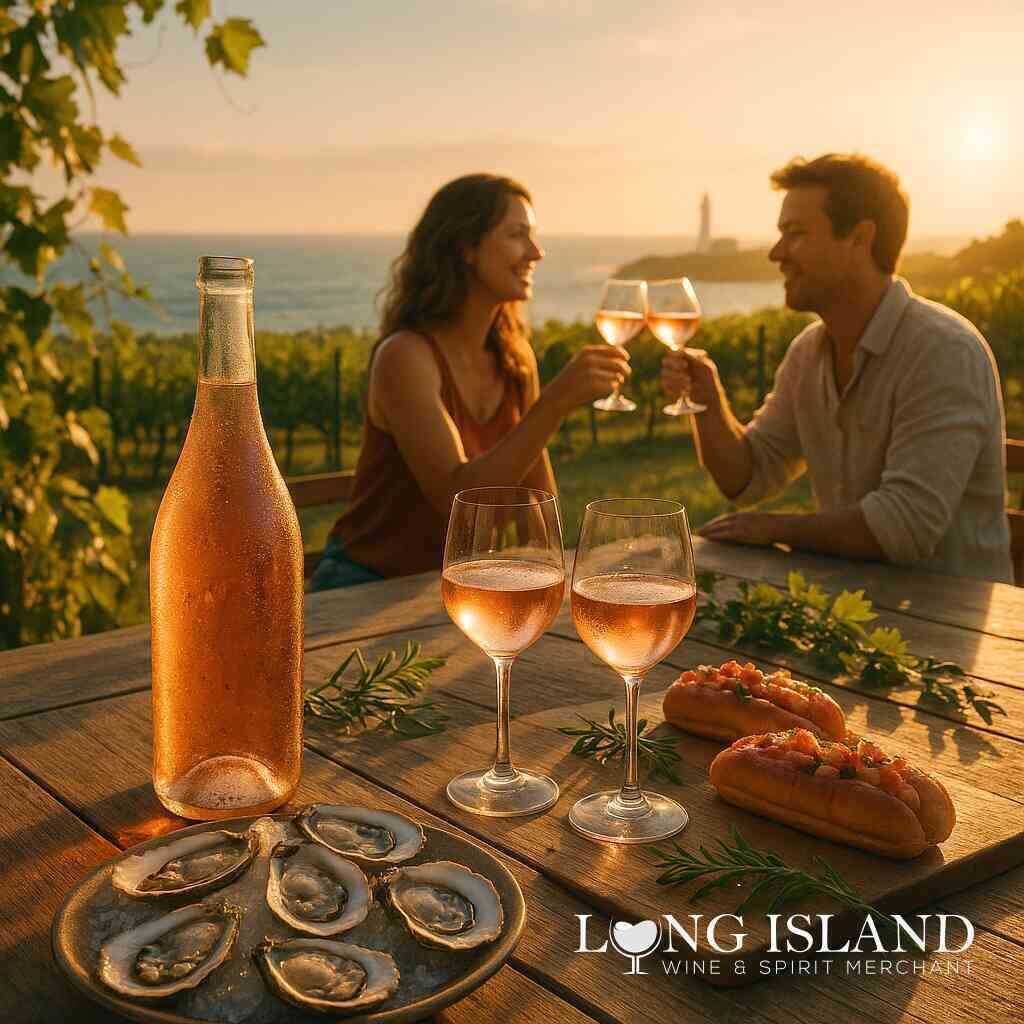
Uncorking Long Island’s Pink Wave
Rosé once felt like a seasonal novelty, yet walk into almost any Nassau County gathering in 2025 and you will spot glasses shimmering with salmon, coral, or barely-there blush. This guide looks at why rosé now enjoys permanent space on local racks, how Long Island’s coastal terroir shapes flavor, and what to consider when choosing a bottle for everything from beach picnics to holiday roasts.
How Rosé Is Made—and Why That Matters
Rosé is not a simple blend of red and white wine. Color and style rise from short skin contact—typically just a few hours—before the juice is pressed off the grape skins and fermented like a white wine. Three factors influence the final result:
- Grape Variety
Cabernet Franc brings pepper and cranberry; Merlot gives softer strawberry; Cabernet Sauvignon can add herb and structure. - Time on Skins
A two-hour soak produces pale onion skin hues, while eight hours can move toward ruby and add gentle tannin. - Fermentation Choices
Stainless steel preserves crisp fruit, while a short rest in neutral oak can broaden texture and spice.
Dry Versus Off-Dry
Most Long Island producers aim for a dry style, finishing below three grams of residual sugar. You will find fresher acidity and a salty snap—perfect with raw bar classics. A few wineries stop fermentation earlier, leaving enough natural sweetness (five-to-ten grams) to soften spicy take-out or barbecue sauce. Checking the tech sheet or asking your merchant prevents guesswork.
Nassau County’s Coastal Terroir
Long Island lies between the Atlantic Ocean and Long Island Sound, and Nassau vineyards sit only a few miles from either shoreline. That geography drives three signature traits in local rosé:
- Bright Acidity – Afternoon sea breezes delay ripening, letting grapes hold acid even as sugars rise.
- Mineral Edge – Sandy loam and glacial gravel drain quickly, stressing vines and concentrating subtle saline notes.
- Moderate Alcohol – Cooler nights keep potential alcohol in the 11.5–12.5% range, so rosé feels refreshing rather than boozy.
Tasters often mention cranberry, white peach, and a hint of sea spray. Those cues differ from the ripe watermelon and guava common in warmer California rosés.
Myths Long Island Pros Love to Correct
“Rosé is only for summer.”
The same acidity that flatters shellfish slices through rich turkey and herb stuffing. A rosé with a touch of barrel weight can comfortably sit next to roast pork or butternut squash when temperatures drop.
“All rosé tastes alike.”
Compare a stainless-fermented North Fork blend to a barrel-kissed single-vineyard cuvée from the South Shore and you will find clear differences in color, aroma, and texture.
“Rosé cannot age.”
Most should be enjoyed within two years, but fuller styles with low pH and a hint of tannin can evolve for three or four, gaining notes of dried rose, honey, and savory spice.
Pairing Cheat Sheet for Nassau Tables
| Local Dish | Rosé Style | Why It Works |
|---|---|---|
| Peconic Bay oysters | Bone-dry, stainless steel | Salty finish echoes brine; crisp acid cleanses palate |
| Lobster roll | Dry Provence-inspired blend | Subtle fruit complements sweet lobster meat |
| Spicy tuna poke | Off-dry rosé with 7-8 g/L RS | Touch of sweetness tames heat |
| Rotisserie chicken with herbs | Oak-touched Cabernet Franc rosé | Light tannin and herbal notes mirror seasoning |
| Strawberry shortcake | Lightly sweet sparkling rosé | Bubbles lift cream while fruit flavors match dessert |
Reading the Label: Five Quick Clues
- Vintage – Fresher is usually brighter; look for 2024 or 2025 on easy-drinking bottles.
- Appellation – “Long Island” means the grapes can come from anywhere on the Island; “North Fork of Long Island” or “The Hamptons” signal tighter geography and often higher focus.
- Grapes Listed – Cabernet Franc, Merlot, Syrah, and even Pinot Noir each lend distinct character, so pick according to preference.
- ABV – Anything above 13% may feel heavier and better suited to heartier fare.
- Color – Pale hues hint at delicacy, but color alone does not dictate quality; many winemakers intentionally go deeper to add dimension.
Buying Tips from Local Bottle Shops
- Weeknight Value: Seek multi-varietal blends under $20. Stainless steel fermentation keeps them vibrant and food-friendly.
- Entertaining: Magnums (1.5 L) of dry rosé pour twelve full glasses, chill faster than reds, and look festive on a backyard buffet.
- Collectible Options: Limited-production barrel-aged cuvées or single-clone experiments run $30–$40 and can age three years, developing savory complexity.
- Sparkling Rosé: Traditional-method bottlings from the North Fork deliver fine bubbles and delicate brioche notes without Champagne pricing.
Serving and Storage Basics
• Chill to 50–55 °F—colder can mute aroma, warmer risks flabbiness.
• Use a white-wine glass; the taper traps aromatics better than a flat coupe.
• Once opened, recork and refrigerate. Most rosés stay bright for two days.
• Store unopened bottles upright in a cool, dark space. Unlike bold reds, they rarely benefit from extended cellaring.
Sustainability and Local Pride
Many Nassau County wineries follow sustainable or organic protocols, minimizing herbicides and relying on cover crops to enrich sandy soils. Buying these bottles supports local agriculture, reduces shipping emissions, and lets drinkers taste the shoreline in every sip.
Final Pour
Rosé’s rise on Long Island is no passing fad. It results from deliberate vineyard choices, modern cellar techniques, and a community that values crisp, versatile wines. Whether your glass holds a pale copper refresher for Jones Beach or a structured, barrel-rested pink for holiday duck, Nassau County offers a style to match. Explore different grape blends, ask questions at your neighborhood shop, and do not relegate rosé to a single season—the Island’s nuanced blush wines deserve attention all year round.
What Are the Intricacies of Rosé Wine for Nassau County?


Comments
Post a Comment