Rare Wine Finds: Exploring Liquor Store Open Offerings
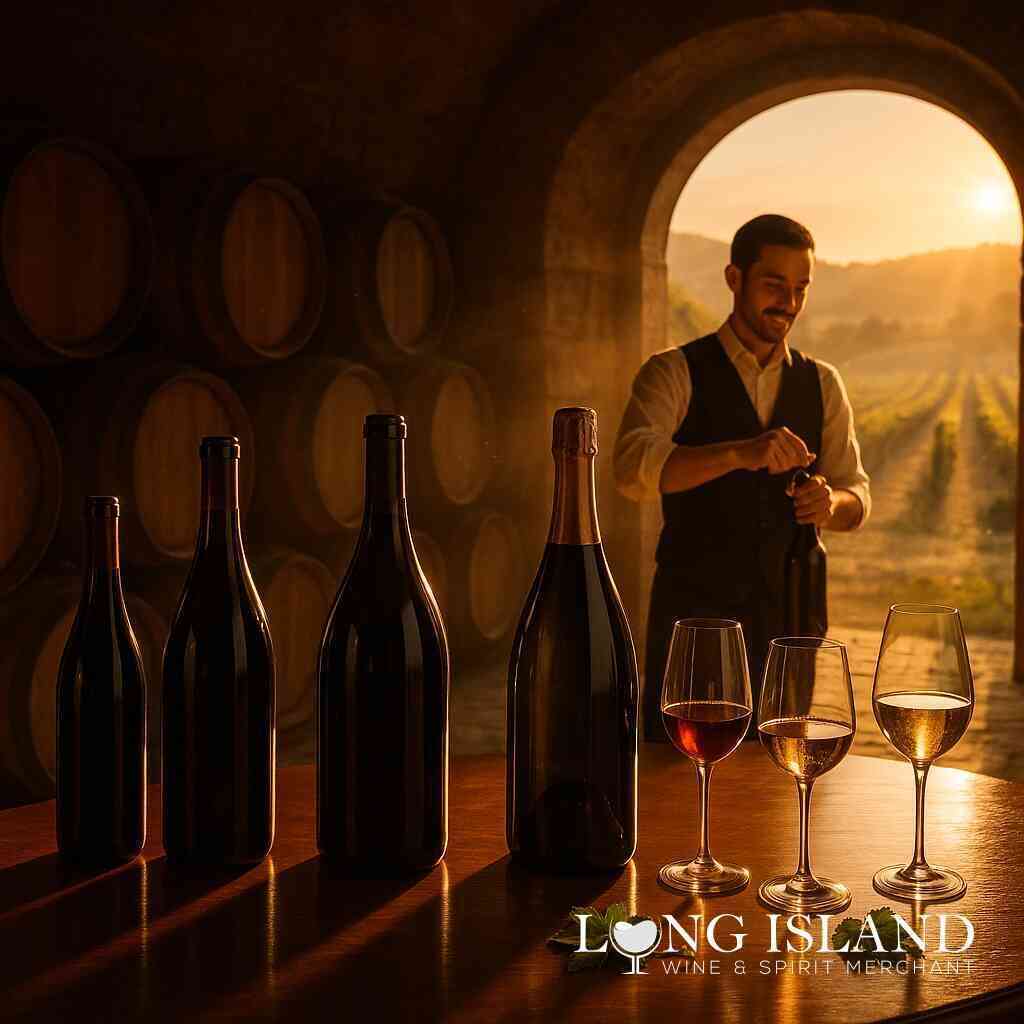
Uncommon bottles attract collectors and casual enthusiasts alike. This guide explores why rare wine has become a cornerstone of modern liquor-store curation and how an informed buyer can identify, store, and enjoy these limited treasures.
What Makes a Wine “Rare”?
Most bottles reach shelves in the tens of thousands. Rare wines, by contrast, are released in quantities so small that a single city might see only a case or two. Several factors create this scarcity:
- Micro-production vineyards: Tiny estate plots may yield just a few barrels in ideal vintages.
- Single-parcel bottlings: Producers isolate one slope or soil type to highlight terroir nuance.
- Special vinification choices: Extended maceration, amphora aging, or experimental blends limit volume.
- Strict selection: Vignerons may declassify fruit that fails to meet exacting standards, shrinking final output.
Because so few bottles exist, each cork pulled feels more like opening a chapter of wine history than pouring an everyday beverage.
Why Scarcity Adds Value
Scarcity alone does not guarantee quality. Nonetheless, limited releases often command attention for three practical reasons:
- Concentration and complexity – Smaller lots allow winemakers to lavish attention on every stage, from hand sorting to precise barrel selection. The resulting depth of flavor is difficult to scale.
- Cellar potential – Many rare wines are built for years of evolution, making them attractive to investors and drinkers who appreciate tasting a wine at different points in its life cycle.
- Conversation currency – Pulling a bottle few people have seen naturally sparks questions, adding social and educational layers to any gathering.
Shopping Rare Wine in 2025: In-Store vs. Online
Walk-in liquor stores and digital marketplaces now complement each other rather than compete. Each approach offers unique advantages.
Benefits of Visiting a Physical Shop
- Real-time expertise: Staff can suggest food pairings, confirm provenance, and check fill levels or label condition on the spot.
- Immediate gratification: You leave with the bottle in hand, eliminating shipping anxieties.
- Controlled storage view: Seeing a dedicated wine fridge or temperature-regulated cellar builds trust that the wine lived a safe life before purchase.
Advantages of an Online Cellar
- Broader geographic reach: Allocations from niche wineries often bypass small towns; online outlets deliver nationwide.
- Transparent inventories: Digital stock systems update instantly, preventing the heartbreak of a shelf tag without a bottle behind it.
- Educational depth: Lengthy tasting notes, vintage charts, and producer interviews sit one click away, helping buyers research without pressure.
Savvy collectors use both channels. They taste in person when possible, then fill missing slots from reputable e-commerce partners.
Key Categories to Watch
Limited-Edition Napa Cabernet
Napa Valley continues to refine site-specific expression. Hillside parcels on thin volcanic soils yield Cabernets of power and tension. Look for notes of blackcurrant, graphite, and cocoa wrapped in velvety tannins. Properly stored, many age gracefully for two decades or more.
Cult Bordeaux Releases
On the Left Bank, gravel beds amplify Cabernet Sauvignon while Merlot-rich Right Bank clay brings opulence. In top vintages, legendary châteaux hold back parcels—so-called "library releases"—that re-enter the market after cellar aging. These offer a rare chance to drink Bordeaux at peak maturity without waiting years yourself.
Old-Vine Rhône Rarities
Grenache vines older than fifty years produce low yields of intensely flavored fruit. When combined with whole-cluster Syrah and minimal oak, the result is a spicy, perfumed wine that can rival far pricier Burgundy for aromatic complexity.
Aged Port and Madeira
Fortified wines often fly under the radar in scarcity discussions, yet single-harvest Colheita Ports and century-old Madeira casks are released in minuscule quantities. Their natural resilience to oxygen makes them forgiving purchases for collectors still refining cellar conditions.
Storing Your Purchase Safely
Buying a rare bottle is only step one. Proper storage preserves both value and pleasure.
- Stable temperature: Aim for 55 °F with minimal seasonal fluctuation.
- Humidity around 70 %: Prevents corks from drying and letting oxygen seep in.
- Darkness: UV light can trigger premature aging; keep bottles away from windows and harsh bulbs.
- Horizontal rest: Contact between wine and cork keeps the latter swollen, maintaining an airtight seal.
- Minimal vibration: Constant movement disturbs sediment and accelerates chemical reactions.
If space or equipment is limited, consider off-site professional storage; many liquor stores now offer locker rental inside their controlled cellars.
Opening a Rare Bottle: Best Practices
- Check provenance: Confirm purchase records or inspection notes so you know how the wine traveled.
- Stand upright: Let sediment settle for 24-48 hours if the wine is older than ten years.
- Use the right opener: A Durand or two-pronged Ah-So reduces cork breakage on mature bottles.
- Decant with care: Younger, tannic wines may benefit from a brisk splash to soften edges, while fragile old vintages might only need gentle aeration.
- Serve at balanced temperature: Too cold mutes aroma; too warm can exaggerate alcohol. In general, reds show best near 60-65 °F, whites around 50-55 °F.
Pairing Ideas to Maximize Enjoyment
- Napa Cabernet: Dry-aged rib-eye, rosemary lamb chops, or portobello mushrooms with black-pepper glaze.
- Bordeaux Blend: Roast duck, aged cheddar, or lentil cassoulet.
- Old-Vine Rhône: Herb-rubbed pork loin, Provençal ratatouille, or hard sheep’s milk cheese.
- Aged Port: Stilton, dark chocolate tart, or toasted walnuts.
Keep preparations simple; the wine should be the evening’s focal point.
Final Thoughts
Rare wine offers more than exclusivity. It tells a story of place, season, and craftsmanship that mass-market bottles cannot replicate. Whether you explore a Long Island shop in person or scroll curated digital shelves from the couch, an informed approach helps ensure every acquisition lives up to its reputation. Take time to research, store intelligently, and serve with intention. The payoff is a glass that connects you directly to a vineyard’s finest hour—an experience as memorable as it is delicious.
Discover Rare Wine Offerings at Liquor Store Open Now


Comments
Post a Comment