Premium Vodka on Long Island: Terroir, Technique & Trends
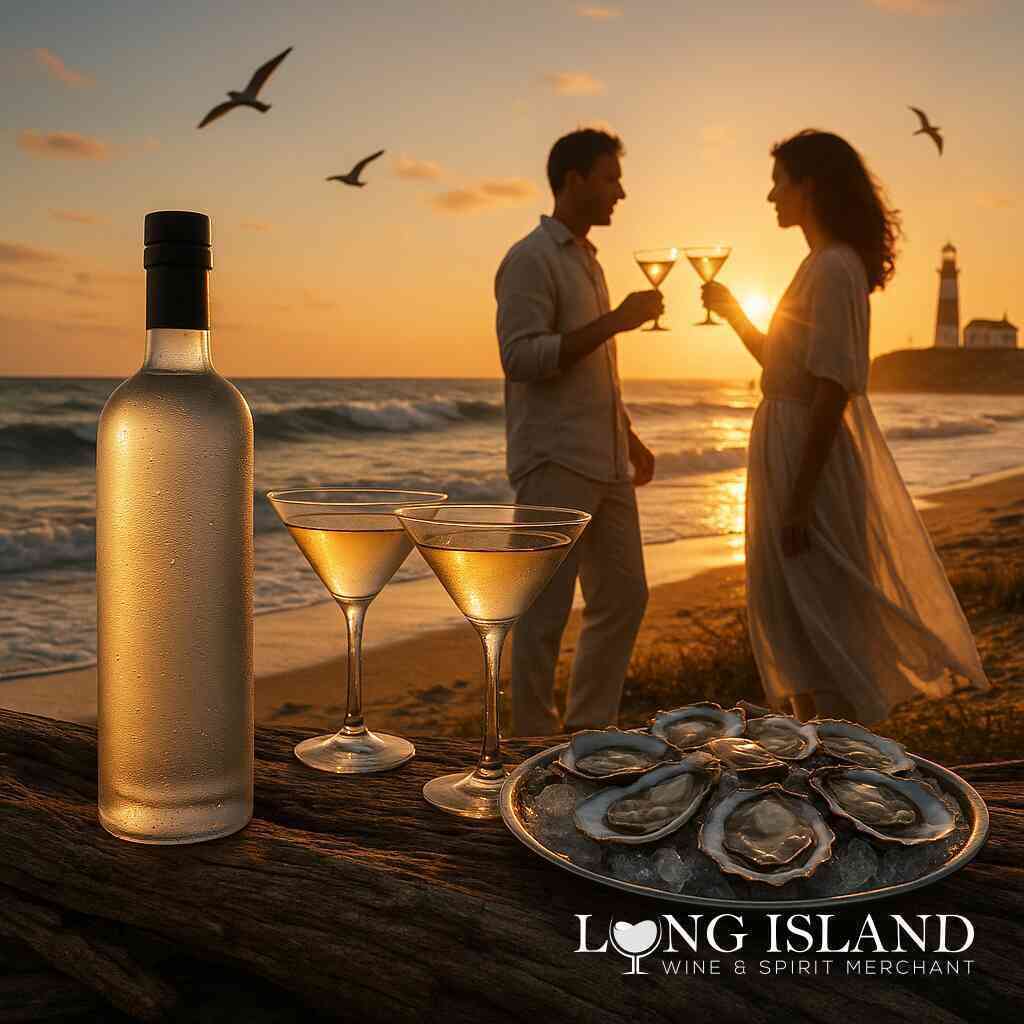
Why Long Island Is Talking About Vodka
Long Island has always loved its wine and oysters, yet 2025 feels like the year vodka joins the local pride parade. Bottle shops, tasting rooms, and cocktail bars from Montauk to Mineola now dedicate real shelf space to clear spirits that deserve far more than a quick splash in orange juice. This guide uncovers what defines premium vodka near Long Island, how regional producers craft it, and the best ways to taste the difference.
The Terroir Question: Does Vodka Really Have One?
Wine lovers use terroir to describe soil, climate, and farming choices that shape flavor. Vodka is distilled to high purity, so its grain signature is subtle—but not invisible. When you compare three Long Island bottles side by side, small distinctions emerge:
- Potato-based batches (often sourced from upstate farms) bring a round, creamy mouthfeel.
- Corn or rye vodka can show a gentle sweetness and lean texture.
- Maritime wheat—grain grown close to the coast—sometimes carries a faint briny edge that plays well with seafood pairings.
Distillers who champion terroir typically list field origins or farm partners on the back label. It is a quiet statement that the spirit, though filtered to crystal clarity, still remembers where it grew.
From Grain to Glass: Key Production Choices
Premium vodka relies on the same broad steps as commodity vodka—fermentation, distillation, and filtration—but the how separates the craft bottle from the mass-market jug.
1. Small-Batch Fermentation
Most local producers cap each fermentation at under 1,000 liters. Smaller lots allow precise temperature control, keeping delicate grain aromas intact. Wild yeast rarely appears; select strains ensure clean conversion of starch to alcohol with minimal off-notes.
2. Copper-Forward Distillation
Long Island distilleries favor tall copper columns or hybrid pot–column setups. Copper pulls sulfides out of vapor, softening the spirit before it ever meets a filter. Many makers run the vodka three to five times, slicing away the harsh “heads” and oily “tails” until only the smooth “hearts” remain.
3. Chill or Carbon Filtration
After distillation, the liquid is chilled near freezing. Microscopic oils solidify and are removed through carbon or cellulose pads. The objective is clarity without stripping all character. Over-filtering can leave vodka tasting like little more than ethanol; premium brands strike a careful balance.
4. Proofing With Local Water
New York groundwater varies in mineral content. Some distillers use ultra-pure reverse-osmosis water for neutrality; others keep faint mineral traces to add body. Either way, the cut down from still strength to 40 % ABV (or thereabouts) is done slowly to avoid shocking the spirit and dulling aroma.
Gluten-Free Isn’t Just Marketing Hype
Because distillation removes gluten proteins, many vodkas are technically gluten-free. Still, producers that start with corn, potatoes, or grapes can certify their spirit to reassure highly sensitive drinkers. Independent lab tests and clear labeling give consumers peace of mind. Happily, alternative grains also broaden the flavor palette: corn delivers approachable sweetness, while grape-based vodka can echo faint white-wine fruit.
How to Taste Vodka Like a Professional
Premium vodka rewards patient tasting, not quick shots. A simple three-step approach works:
- Chill lightly, don’t freeze. Extreme cold numbs aroma. Ten minutes on ice or in the fridge is plenty.
- Use a tulip glass. The narrowed rim concentrates subtle esters—think faint cereal, citrus peel, or white pepper.
- Sip in small amounts. Hold the liquid on your tongue, let it warm, then breathe out gently through your nose to catch hidden notes.
Creating a home flight can be eye-opening. Compare one potato, one wheat, and one corn expression. Note differences in weight, sweetness, and finish length. Add a drop of water to each glass and see which aromas bloom.
Cocktails That Respect the Spirit
When vodka quality rises, recipes can get simpler:
- True Martini – 2 oz premium vodka, 0.5 oz dry vermouth, expressed lemon peel.
- Long Island Seabreeze – 1.5 oz maritime wheat vodka, 3 oz cranberry, 1 oz fresh grapefruit; garnish with a slice of local ruby red.
- Garden Gimlet – 2 oz corn vodka, 0.75 oz lime, 0.5 oz cucumber syrup; shake hard, fine-strain, serve up.
These builds showcase texture rather than burying it under heavy juices or soda.
Visiting Long Island Tasting Rooms
Several craft distilleries now welcome the public on weekends. Expect small pours, side-by-side comparisons, and often a look at the still itself. Questions worth asking the team:
- What base ingredient do you ferment, and why?
- How many cuts do you take during distillation?
- Do you flavor‐filter (carbon) or solely chill‐filter?
- Is this batch part of a seasonal release?
Insider tip: if a limited bottle lists the harvest field or barrel number, pick it up—the next run may taste noticeably different.
Buying Smart: What Premium Actually Costs
A solid Long Island craft vodka usually retails between $30 and $55. Pricing above that often relates to packaging or micro-batch scarcity rather than significant quality jumps. Scan the back label for proof of substance: grain source, run size, filtration method. Clear details suggest the producer values transparency over marketing gloss.
Key Takeaways
- Vodka can carry terroir, especially when producers start with local potatoes, corn, or maritime wheat.
- Small-batch distillation and careful chill filtration protect nuance and texture.
- Gluten-free certification matters for sensitive drinkers and often introduces new flavor profiles.
- Treat premium vodka like any fine spirit: taste it thoughtfully and pair cocktails that let it speak.
- Long Island’s growing craft scene makes it easy to tour distilleries, compare styles, and bring home bottles you cannot find in big-box stores.
Whether you sip neat, mix a minimalist martini, or explore a farm-to-flask tasting flight, Long Island’s premium vodka movement offers a clean canvas for discovery. The next time a cork pops and sea air drifts through the window, you might taste the island itself in every crystalline drop.
Unlocking the Secrets of Premium Vodka Near Long Island


Comments
Post a Comment