Organic Wine Trends for Hosting Memorable Fall Gatherings
Why Organic Wines Shine in Autumn
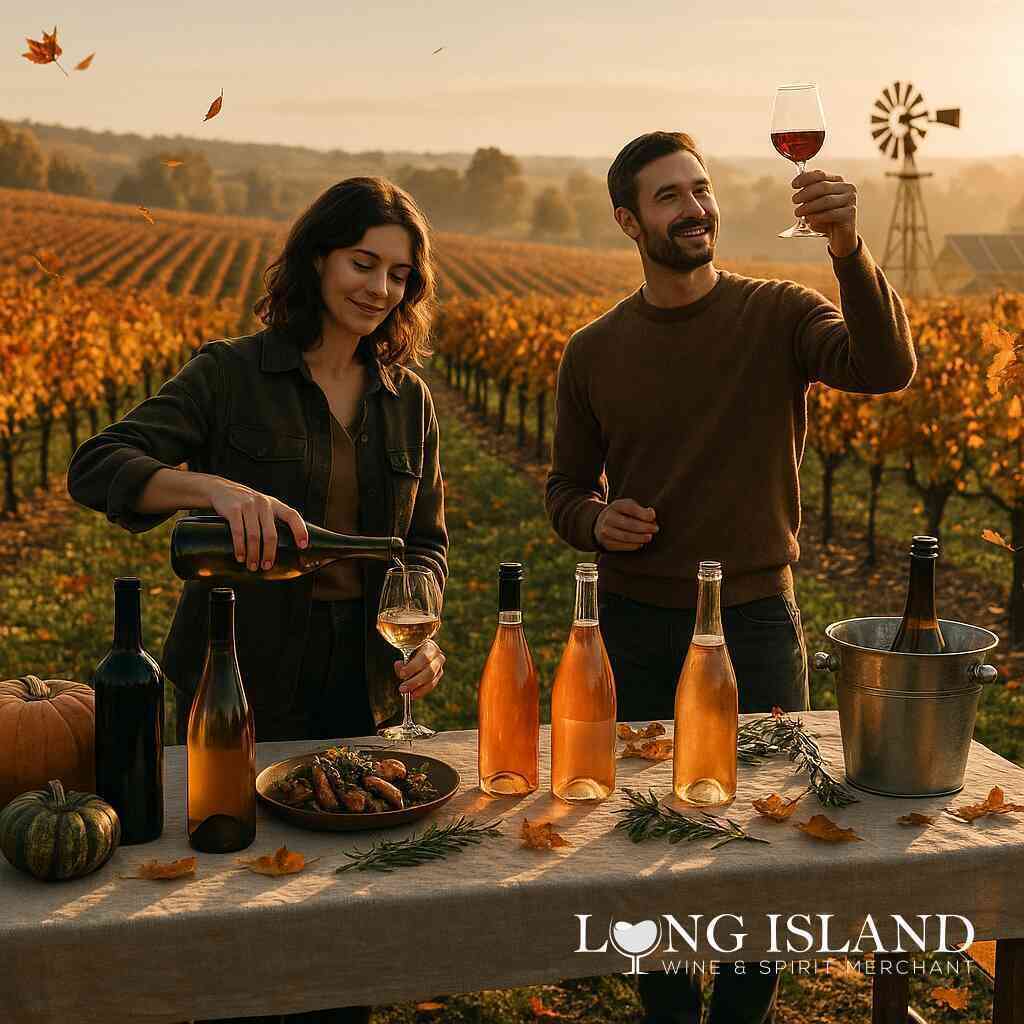
Cooler evenings, heartier menus, and the first crackle of fireplace embers create the ideal backdrop for organic wine. This guide explores how sustainably made bottles can elevate a fall table while aligning with modern values around health, transparency, and climate stewardship.
Key Characteristics of Fall-Friendly Organic Wines
- Richer texture without heaviness – Longer hang-time and dry-farming concentrate flavor in grapes such as Zinfandel, Syrah, and Cabernet Franc while keeping alcohol moderate.
- Naturally vivid aromatics – Ambient-yeast fermentations leave intact the wild herb, cranberry, and baking-spice notes that frame cool-weather dishes.
- Lower additive load – Organic regulations restrict synthetic pesticides and cap sulfite additions, supporting drinkers who are sensitive to histamines or simply want cleaner flavor.
Setting a Seasonal Tasting Line-Up
- Sparkling Pét-Nat to Open the Evening
Cloudy, lightly effervescent pétillant naturel delivers orchard-fruit aromas and a hint of brioche, acting as a lively aperitif alongside roasted pumpkin seeds. - Unfiltered Orange Wine for the First Course
Skin-contact whites such as Pinot Gris or Trebbiano bring copper hues and gentle tannin, matching squash soup or spiced carrot dip. - Low-Sulfite Chardonnay with Main Dishes
Look for versions aged in neutral oak or amphora. Their cream-apple profile flatters herb-roasted poultry without overpowering root vegetables. - Whole-Cluster Syrah for the Fireside
Peppery, plum-driven, and medium bodied, whole-cluster fermentations add grip that pairs with brisket, mushroom Wellington, or a post-dinner cheese board. - Late-Harvest Riesling for Dessert
Organic late-harvest styles offer honeyed apricot notes balanced by brisk acidity, a natural partner for pear tart or blue cheese.
The Natural Wine Movement in 2025
Interest in minimal-intervention bottlings has shifted from niche to mainstream. Consumers now examine fermentation details, soil health metrics, and carbon footprints as closely as tasting notes. Key trends shaping shelves this year include:
- Regenerative farming certifications that track biodiversity corridors, cover-crop programs, and water-use efficiency.
- Transparent microbiology where wineries publish data on native yeast strains and malolactic cultures to validate authenticity.
- Lower-alcohol styles (10–12 % ABV) that fit longer gatherings without palate fatigue.
Benefits of Ordering Organic Wine Online
Busy hosts can curate a balanced case without leaving the kitchen:
- Filter by farming method – Quickly locate biodynamic, vegan-friendly, or dry-farmed selections rather than decoding shelf labels.
- Read crowd-sourced tasting notes – Real reviews reduce guesswork when pairing with specific dishes such as maple-glazed Brussels sprouts.
- Build cost-effective bundles – Many platforms offer mix-and-match discounts, limiting the per-bottle price creep common at boutique shops.
- Assured handling – Temperature-controlled fulfillment prevents bottle shock during seasonal heat spikes or cold snaps.
Carbon-Neutral Logistics Close the Loop
True sustainability reaches beyond the vineyard. Leading online merchants now:
- Ship in lightweight recycled glass and molded pulp, cutting both weight and single-use plastic.
- Use route-optimized, carbon-offset delivery services, and supply certificates with tracking numbers for full transparency.
- Offer a minimal-packaging checkout option, ideal if you already have a cellar box or plan to serve immediately.
Practical Tips for Hosting with Organic Wines
- Plan one bottle per two guests for a seated dinner; add an extra sparkling option for aperitif moments.
- Serve reds slightly cool (around 60 °F) to highlight purity and prevent alcohol heat.
- Use unlabeled carafes if you worry about guests assuming organic wines are rustic—let the liquid speak first, then share the story.
- Compost corks and pulp shippers to reinforce the sustainability narrative at the end of the evening.
Final Pour
Organic and natural wines offer more than an ethical badge; they provide flavor clarity that resonates with autumn’s produce and cozy gatherings. Whether you favor a peppery Syrah or a golden skin-contact blend, thoughtfully sourced bottles can anchor the season’s menus and conversations alike.
https://www.orderalcoholonline.com/evaluating-organic-wine-trends-for-fall-gatherings/


Comments
Post a Comment