Optimizing New York Parties With Smart Liquor Bottle Sizes
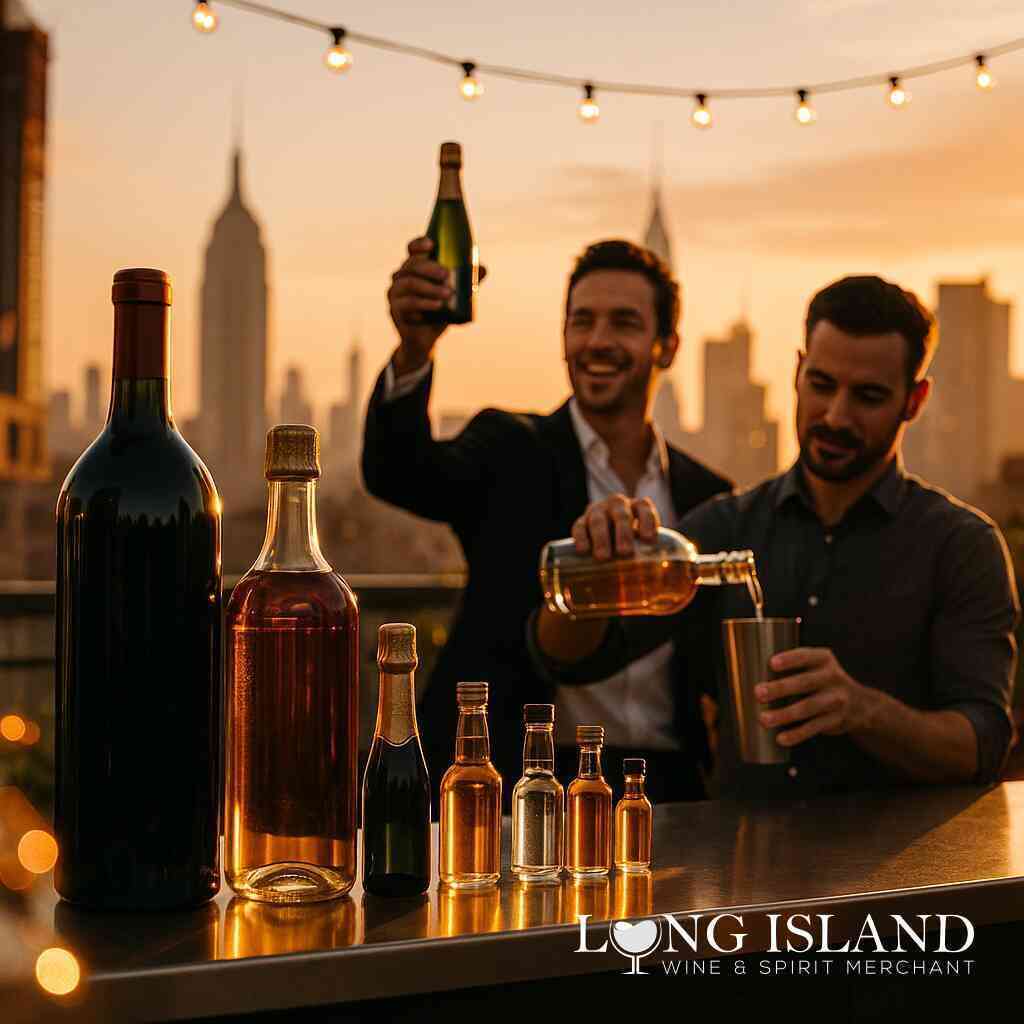
Why Bottle Size Quietly Shapes Every Celebration
Most hosts focus on brands and cocktail lists, yet the real pace-setter is the size of each bottle behind the bar. The volume you choose dictates how quickly staff pour, how often they stop to restock, and even how loud the room feels once glasses start clinking. In a city that moves as fast as New York, a few seconds shaved off each round quickly adds up to smoother service and happier guests.
• A 1.75-liter "handle" of vodka fuels high-energy events where espresso martinis fly off the counter.
• A classic 750-milliliter bourbon slows things down, encouraging guests to sip, compare notes, and linger in conversation.
• Mini 50-milliliter bottles make train-ride toasts possible for commuters returning to Long Island after a Manhattan gala.
Understanding these rhythms lets planners fine-tune the entire evening without changing the playlist or décor.
Matching Format to Venue and Headcount
New Yorkers celebrate everywhere: brownstone backyards, Soho lofts, Montauk beaches. Each space comes with unique logistics—think elevator trips, ice storage, and recycling rules. The right format keeps things efficient:
Small Apartments (≤20 guests)
• Stick to 375-milliliter or 750-milliliter bottles. They tuck into limited fridge space and reduce half-empty leftovers.
• Choose versatile spirits—one good gin and one rye—so a compact bar can still craft multiple cocktails.Loft or Warehouse (50–100 guests)
• Handles of base spirits minimize downtime. One 1.75-liter tequila equals about 40 standard shots, perfect for margarita stations.
• Add a few 500-milliliter rare bottles for a tasting corner that feels exclusive without breaking the budget.Outdoor Events (100+ guests)
• Wine magnums shine here. Fewer corks mean bartenders keep lines moving while guests roam the lawn.
• Kegs of premixed spritz or sangria lower glass waste and preserve table space for food.
Signature Sizes for Classic New York Festivities
Wedding Receptions: The Power of the Magnum
A magnum (1.5 liters) of Champagne or Prosecco pours roughly a dozen flutes before the bottle returns to ice. That consistency keeps toasts synchronized during speeches and photographs. From a flavor standpoint, larger bottles age more gracefully because there is less oxygen relative to volume, so bubbles stay tight and vibrant through a long reception.
Backyard Fiestas: The Tequila Half-Gallon
Summer on Long Island means endless tacos and frozen drinks. A half-gallon bottle (1.75 liters) of blanco tequila prevents the dreaded mid-party store run. Because bartenders work from a single vessel, each margarita hits the same balance of citrus and agave—no surprises as the night stretches on.
Corporate Mixers: Handle of Vodka, Split Bottles of Vermouth
Large mixers thrive on speed: choose a vodka handle for crowd-pleasers like Moscow mules, then pair it with smaller 375-milliliter aperitifs. Staff can batch pour without littering the bar with dozens of open bottles, and guests enjoy a concise, professional cocktail list.
Rooftop Tastings: Rare Half-Liter Releases
Limited-edition cognac often appears in elegant 500-milliliter decanters. The size nudges attendees toward mindful sipping while still yielding about sixteen one-ounce pours—ideal for seated flights accompanied by skyline views.
Rare and Craft Spirits: Storytelling in a Bottle
Guests remember narratives more than ABV levels. A single barrel rye or a local amaro bottled at an unconventional 620 milliliters invites conversation:
• "Why this odd size?" Because the distiller saved the last portion of a prized cask.
• "What makes it different?" Perhaps the mezcal rested in former wine barrels, adding subtle berry notes.
By stocking at least one curiosity per event, planners offer an experience that outlives the final dance track.
Reducing Waste and Surprise Costs
Choosing the correct volume is also a sustainability move. Every extra glass poured from a larger bottle eliminates one more empty mini headed for recycling. Budget planning becomes clearer as well:
• Calculate roughly 1.5 standard drinks per guest per hour for high-energy parties, 1 drink per hour for tastings.
• Translate that number into liters, then round up using the largest practical bottle. Fewer individual units almost always equal a lower cost per ounce.
• Keep a single backup bottle of each core spirit; anything beyond that often returns unopened and non-refundable.
Practical Checklist for New York Hosts
- Estimate total drinks and convert to liters before browsing labels.
- Align bottle sizes with the venue's physical constraints—think elevators, ice wells, and storage.
- Mix base spirit handles with a small number of specialty bottles for variety without clutter.
- Choose at least one format that photographs well (magnums, wax-sealed bourbon) to elevate décor organically.
- Confirm local delivery windows and building rules about glass disposal, especially in Manhattan high-rises.
Final Pour
Smart bottle sizing does more than save money; it shapes guest flow, conversation pace, and even sustainability outcomes. When each format—from tiny commuter nip to towering magnum—earns its place at the bar, New York celebrations feel effortless. Whether the night calls for rooftop negronis or backyard palomas, an intentional mix of volumes keeps the party, and the city, moving.
How Shop Liquor's Bottle Choices Optimize New York Festivities


Comments
Post a Comment