Online Alcohol Ordering Reshapes New York Wine Culture
Why New Yorkers Are Embracing Digital Bottle Shopping
New York has always been a fast-moving wine market. From SoHo bistros to North Fork farm stands, bottles change hands at a dizzying pace. Today that exchange increasingly happens on a phone screen. Ordering alcohol online is no longer a novelty—it is the engine that keeps the state’s wine scene fresh, diverse, and remarkably efficient.
Instant Cellars Without the Crowds
Crowded aisles remain charming to some, but many city dwellers now favor a quieter ritual. A good e-commerce platform mirrors the flow of an in-store tasting:
- Browse by region, grape, or price without dodging shopping carts.
- Compare tasting notes side by side—no label squinting required.
- Check out in seconds, then monitor delivery in real time.
Because the interface handles discovery and logistics, consumers can focus on flavor rather than traffic. That emphasis on ease has turned late-night apartment browsing into the new Saturday tasting flight.
More Choice, Less Guesswork
A physical shelf limits selection; a virtual shelf does not. Leading New York retailers now list thousands of bottles, from biodynamic Grüner Veltliner to small-batch rye. Volume alone, however, can overwhelm. The best sites counterbalance abundance with smart filters:
- Style (light, bold, sweet, fortified)
- Food pairing cues (seafood, barbecue, vegetarian)
- Sustainability tags (organic, biodynamic, low-intervention)
- Budget sliders that adjust in real time
Clear controls let users explore confidently instead of scrolling endlessly. In practice, that means a Brooklyn cookout host can locate a chillable red under $25 in under a minute.
Personalized Taste Quizzes: Digital Sommeliers at Scale
Many platforms now greet visitors with a brief quiz. Questions touch on acidity tolerance, preferred citrus flavors, or even favorite desserts. Behind the scenes, algorithms translate those answers into a sensory profile and recommend bottles that match.
Benefits include:
- Higher satisfaction: Fewer disappointing splurges because suggestions align with palate.
- Encouraged exploration: Safe, data-driven nudges toward new grapes maintain excitement.
- Reduced returns: When customers like what arrives, refund requests drop and trust grows.
For professionals, the quiz data also reveals emerging trends—say, a sudden spike in demand for skin-contact whites—allowing merchants to pivot inventory before shelves run dry.
From Long Island Rows to Manhattan Rooftops
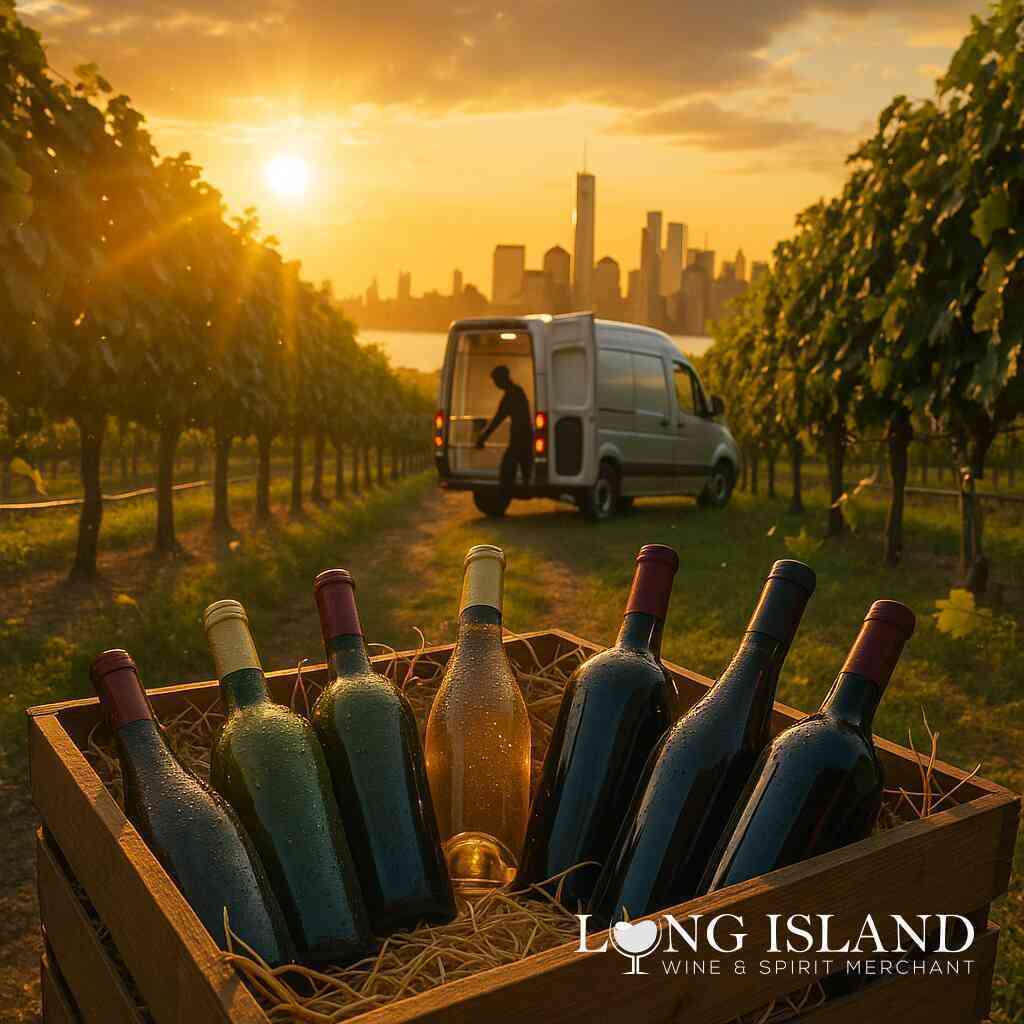
Logistics once limited how far a winery could ship without a distributor. Modern last-mile networks erase much of that barrier. Temperature-controlled vans leave Long Island vineyards each morning and climb Midtown loading docks by afternoon. Key upgrades include:
- Real-time tracking: Customers watch vans move on a map, easing delivery anxiety.
- Insulated packaging: Seasonal heat waves no longer threaten delicate Pinot Noir.
- Verified ID scanning: Couriers confirm age compliance without adding paperwork for the buyer.
This direct line benefits every link in the chain. Growers retain a larger share of revenue, retailers deepen selection, and urban drinkers uncork bottles many thought were “tasting-room only.”
Data-Driven Inventory: Stock What Sells, When It Sells
E-commerce creates a constant feedback loop:
- A guest in Queens orders a natural Gamay.
- The system logs the sale alongside demographic and time-of-day data.
- Similar shoppers receive tailored recommendations within hours.
- Purchasing managers reorder before inventory dips.
Over time, patterns emerge—perhaps Tuesday nights lean toward value-priced Chianti while weekends favor Champagne. Merchants adjust buying plans accordingly, so fewer exciting wines go out of stock and fewer slow movers collect dust.
Sustainability Gains Hiding in Plain Sight
Online ordering is sometimes criticized for packaging waste, yet the model can reduce total carbon impact:
- Consolidated routes: One van replaces dozens of individual car trips to a store.
- Predictive stocking: Data minimizes over-ordering, cutting spoilage and landfill waste.
- Transparency: Product pages can list vineyard certifications and water-use stats that rarely fit on a shelf tag.
Knowledge empowers shoppers to support responsible producers, amplifying sustainable practices across the state.
Practical Tips for First-Time Digital Buyers
- Start with the quiz. A three-minute survey refines your search instantly.
- Check the weather. If heat spikes are forecast, look for cold-chain shipping options.
- Build mixed cases. Many retailers waive delivery fees above a certain bottle count; use that threshold to sample widely.
- Read recent reviews. Notes from other New Yorkers often reflect similar storage conditions and cuisine pairings.
- Experiment gradually. Work one unfamiliar grape into each order to expand your palate without overwhelming it.
The Road Ahead
As 2025 unfolds, two trends look set to accelerate:
- Augmented reality labels that let customers scan a bottle and preview vineyard footage or pairing recipes.
- AI-assisted food pairing baked directly into meal-delivery apps, matching tonight’s takeout with a courier-delivered bottle.
Both innovations continue the same trajectory: shortening the distance—both literal and figurative—between producer and drinker.
Ordering alcohol online has moved far beyond novelty status in New York. It is now the quiet backbone of a wine culture that prizes diversity, immediacy, and informed choice. By merging digital convenience with sommelier-level guidance, the state’s retailers ensure that every doorstep can double as a well-curated cellar. Whether you crave a Brooklynesque natural pet-nat or a timeless Finger Lakes Riesling, the next perfect bottle is likely just a few taps away.
How Order Alcohol Online Optimizes New York's Wine Scene


Comments
Post a Comment