Mastering Wine Pairing at Long Island’s Premier Alcohol Store
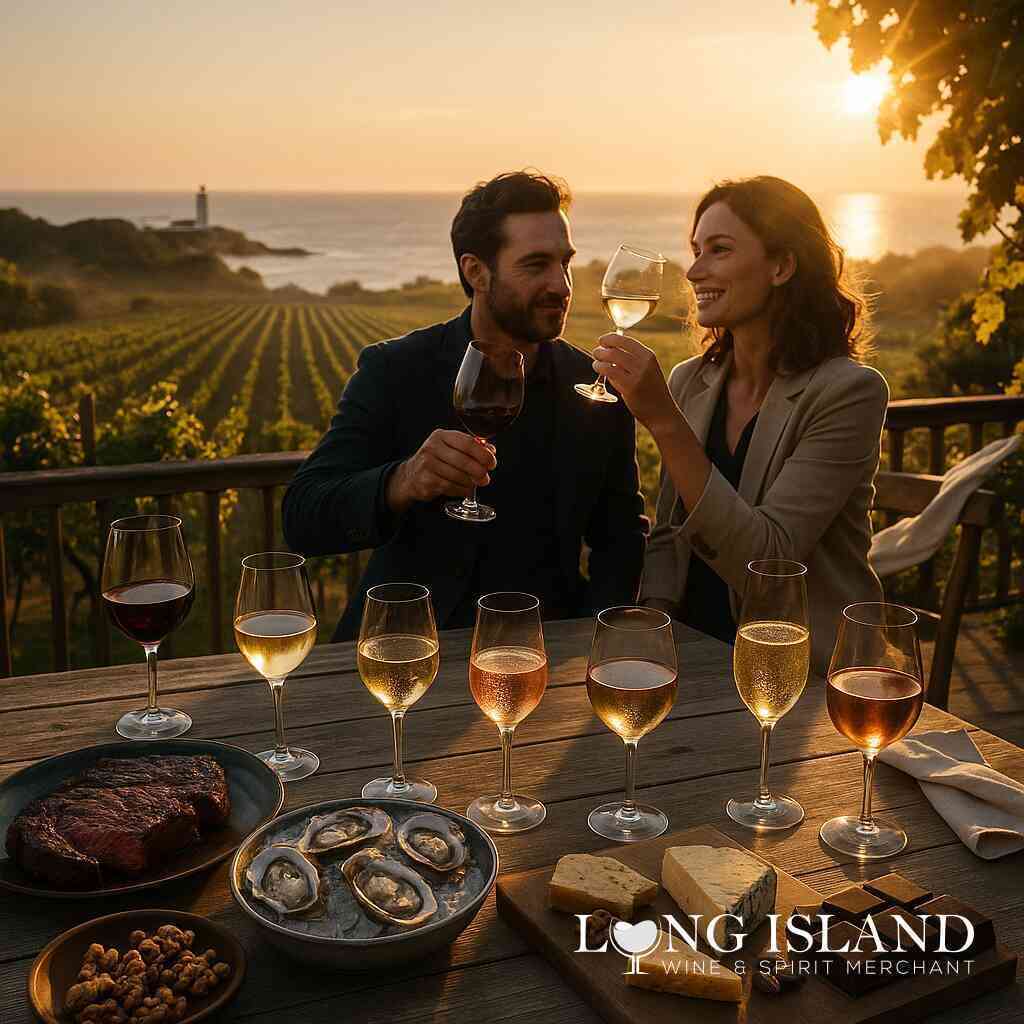
Long Island’s coastal vineyards and diverse culinary scene create an ideal proving ground for anyone eager to elevate meals through thoughtful wine pairing. This guide distills the core principles Long Island Alcohol Store teaches its team—and its customers—so you can move beyond rigid charts and start building pairings with confidence.
1. Begin With the Plate, Not the Bottle
Great pairings start by studying the food. The staff at Long Island Alcohol Store ask three simple questions before recommending a bottle:
- Dominant flavor – Is the dish driven by herbs, spice, smoke, or sweetness?
- Primary cooking method – Grilled foods crave different structures than poached or braised items.
- Key texture – Think about fattiness, crunch, or creaminess.
Answering these questions narrows the field quickly. A pepper-rubbed steak needs firmer tannin; a buttery lobster wants vibrant acidity.
2. Treat Acid and Tannin as Your Steering Wheel
Two structural elements—acid and tannin—do most of the heavy lifting when it comes to harmony or contrast.
- Acid refreshes the palate. Wines like Long Island Sauvignon Blanc or cool-climate Chardonnay can slice through rich sauces, fried seafood, or creamy cheese.
- Tannin binds to protein. A North Fork Cabernet Franc with moderate tannin softens a medium-rare steak, letting the meat taste juicier while the wine feels smoother.
By adjusting these two levers, you can handle 90 percent of pairing scenarios without memorizing dozens of rules.
3. Respect Terroir for Local Synergy
Long Island’s maritime climate adds a whisper of salinity to many whites and keeps red-grape acids lively. That extra freshness turns regional wines into natural partners for local produce and seafood. A South Fork rosé’s subtle saline lift makes Montauk oysters taste even brinier, while the cherry-pepper snap of North Fork Cabernet Franc echoes the herbs often found in Long Island lamb dishes.
4. Use Complement or Contrast—Both Are Valid
People often assume a pairing must mirror flavors, but strategic contrast is just as satisfying.
- Complementary approach – Match similar intensities. An oaked Chardonnay with buttery shrimp scampi amplifies lush textures on both sides.
- Contrasting approach – Balance opposites. A crisp dry Riesling next to spicy Thai noodles cools heat and keeps each bite interesting.
Long Island Alcohol Store encourages tasting both styles side-by-side so you can feel the difference rather than accept it on faith.
5. Sparkling Wine: The Universal Problem Solver
When in doubt, bubbles work. High acidity scrubs the palate, and carbonation lifts fried or salty foods. Keep a local méthode traditionnelle sparkling wine on hand for last-minute guests or eclectic menus. It will rarely clash and often elevates the overall experience.
6. Don’t Ignore Spirits and Beer
Although the store’s heart lies in wine, its team routinely reaches for craft beer or well-balanced cocktails when a dish throws a curveball. A citrus-forward gin and tonic refreshes alongside cucumber salad; a malty amber ale can underline caramelized grill marks on burgers. The same principles of acid, bitterness, and sweetness apply—just in different formats.
7. Build a Flavor Memory Bank
Pairing skill grows through repetition. Try this simple exercise the shop recommends:
- Pick one ingredient (for example, goat cheese).
- Taste it with three distinct wines: a zesty Sauvignon Blanc, a medium-bodied Merlot, and an off-dry Chenin Blanc.
- Note which element (acid, tannin, sweetness) either clashes or clicks.
Repeat weekly with different foods. Within a month, you will have a reliable internal map of structure and flavor interactions.
8. Keep Seasonality in Mind
While the fundamentals stay steady, seasons shift recommended pairings.
- Spring 2025 – Bright greens and young vegetables love lean whites like Albariño or rosé.
- Summer – Grilled dishes pair beautifully with chilled reds such as carbonic Cabernet Franc.
- Autumn – Earthy mushrooms welcome Pinot Noir or aged Chardonnay.
- Winter – Braises and stews call for bolder reds or fortified wines.
Leaning into seasonal produce ensures ingredients and wines meet at peak freshness.
9. Taste Side-by-Side in the Store When Possible
Long Island Alcohol Store often opens weekend sampling flights focusing on one grape across multiple producers or vintages. Standing at the tasting bar comparing pours accelerates learning. You see firsthand how a touch more oak or a cooler vineyard site influences weight, acid, and finish.
10. Capture Notes in Plain Language
Skip flowery jargon. Instead, jot down simple statements like “acid cuts fat” or “peppery wine mirrors spice.” Over time, those notes become a quick-reference toolkit whenever you cook.
Quick Reference Pairing Matrix
| Dish Element | Seek This in Wine |
|---|---|
| High Fat | Elevated acidity |
| Charred/Grilled | Moderate tannin, smoky oak |
| Spicy Heat | Low alcohol, residual sugar |
| Umami-Rich | Good acidity, limited oak |
| Salty | Bubbles or off-dry sweetness |
Final Thought
Wine pairing mastery is less about memorizing perfect matches and more about understanding structure, balance, and the way you like to eat. Use the techniques Long Island Alcohol Store teaches—evaluate the dish first, steer with acid and tannin, respect local terroir, and taste often. With practice, you will move from following rules to writing your own menu-driven stories, one delicious glass at a time.
https://www.longislandalcohol.com/what-are-the-secrets-of-wine-pairing-mastery-at-long-island-alcohol-store/


Comments
Post a Comment