Mastering Wine Choices at Liquor Store Open Locations
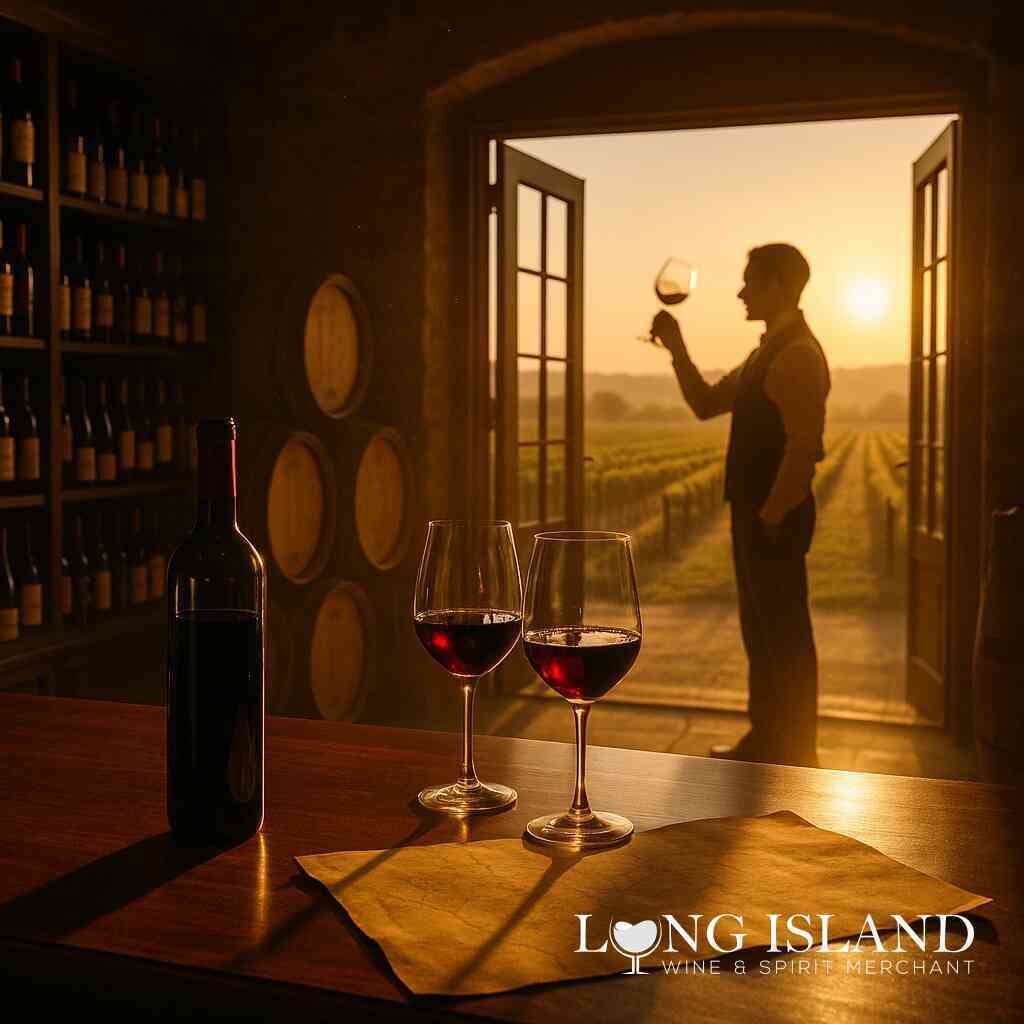
Wine aisles can feel overwhelming, even for seasoned enthusiasts. This guide explains how to read terroir, taste with intent, and shop confidently at any Liquor Store Open location.
Why Terroir Still Matters
Terroir is the combination of soil, climate, and topography that shapes every grape. Understanding a few common profiles makes label-reading easier:
- Limestone and chalk – Often found in Champagne and parts of Burgundy. Expect bright acidity and a chalky finish in Chardonnay or Pinot Noir.
- Volcanic soils – Santorini Assyrtiko or Sicilian Nerello Mascalese show smoky minerality and salty lift.
- Gravel and sand – Left-Bank Bordeaux and parts of Napa. Cabernet Sauvignon gains fine tannins, graphite, and dark fruit.
When you notice these cues on a back label, you can predict structure and pairings before the bottle is opened.
From Commack Roots to Nationwide Shelves
Liquor Store Open started as a single storefront in Commack, New York. Local shoppers still value face-to-face recommendations, but today the same team curates shipments across all fifty states. The buying philosophy remains simple:
- Taste widely each vintage.
- List only bottles that deliver balance, typicity, and fair value.
- Offer a mix of trusted benchmarks and small-production discoveries.
That consistency helps remote buyers feel as informed as walk-in customers.
Calibrating Your Palate: The Five-Question Quiz
People often skip self-assessment and jump straight into price comparisons. A brief taste quiz—asking about sweetness preference, body, acidity, fruit vs. earth, and oak tolerance—saves both money and frustration. Revisit the quiz every few months; diets, seasons, and experience shift perception over time. Use the results to:
- Build a mixed case that reflects current cravings.
- Explore adjacent styles (e.g., if you love Argentine Malbec, try Cahors or Paso Robles Petite Sirah).
- Balance experiment and comfort: 70 percent safe picks, 30 percent wild cards keeps tasting fun.
Reading the Wine Aroma Wheel
The aroma wheel breaks a big sensory task into smaller steps:
- Primary categories – Fruit, floral, herbaceous, spice, earthy, oak.
- Sub-categories – Red berry vs. stone fruit, fresh herb vs. dried herb, etc.
- Specific notes – Raspberry, peach pit, dried thyme, cedar shavings.
Practicing with the wheel trains memory. Pour a sample, swirl for ten seconds, and name the first broad family you smell. Move inward until you reach a precise descriptor. Over time you will notice fewer vague "fruity" impressions and more exact "wild strawberry" calls.
Oak Influence in a Glass
Not every wine sees wood, but when it does, origin and barrel size change everything:
- French oak (225 L barrique) – Subtle spice, tight grain, and fine tannin. Great for Burgundian Chardonnay.
- American oak (225 L barrique) – Wider grain leans toward coconut, dill, and sweeter vanilla. Common in Rioja or Zinfandel.
- Large casks (500–3,000 L) – Less surface area softens impact, preserving purity of fruit. Seen in traditional German Riesling or Chianti Classico.
When a label lists 18 months in new French oak, expect structure and a hint of toast. If "neutral barrels" appear, the producer wants freshness over wood flavors.
Quick Guide to Body, Acid, and Tannin
A simple three-axis mental chart prevents most pairing mistakes:
- Body – Light (Muscadet), medium (Sangiovese), full (Shiraz).
- Acidity – Crisp (Sauvignon Blanc), moderate (Merlot), low (many warm-climate Viogniers).
- Tannin – Soft (Gamay), grippy (Cabernet), astringent when young (Nebbiolo).
Match or contrast dishes accordingly. Creamy sauces often need acid for cut, while charred steaks handle firm tannin.
Building a Smart Mixed Case
Liquidity matters as much as curiosity. A practical 12-bottle starter set might look like this:
- Two sparkling – one traditional-method Brut, one pét-nat.
- Two aromatic whites – Grüner Veltliner and New Zealand Sauvignon Blanc.
- Two textured whites – Sonoma Chardonnay and Chenin Blanc from the Loire.
- Three versatile reds – Rioja Crianza, Oregon Pinot Noir, Aussie Shiraz.
- Two cellar-worthy reds – Bordeaux blend and Barolo.
- One wild card – Orange wine, dry Lambrusco, or fortified Madeira.
Rotate the list each season. Over a year you will taste dozens of styles without feeling financially stretched.
Serving Temperature Cheat Sheet
Many wines underperform simply because they are poured too warm or too cold.
- Sparkling: 40–45 °F (ice bucket, 30 minutes)
- Light whites & rosé: 45–50 °F (fridge, 90 minutes)
- Full whites & light reds: 50–55 °F (20 minutes out of fridge)
- Full reds: 60–65 °F (cool room, cellar, or 15 minutes in ice bucket if house is warm)
A $15 instant-read thermometer earns its keep quickly.
Glassware and Simple Care
You do not need a separate glass for every grape. Two shapes cover 95 percent of situations:
- Universal stem – Slightly tulip-shaped, 12–16 oz. Handles whites and most reds.
- Flute or wider tulip – For sparkling wine; protects bubbles and concentrates aromas.
Handwash glasses with unscented soap, rinse well, and air-dry upside down. Residual detergent or cupboard dust mutes aroma.
When To Decant
- Youthful tannic reds – 30–60 minutes for Cab, Syrah, or Nebbiolo.
- Delicate, older wines – Gentle pour to remove sediment; drink soon.
- Unfiltered whites or pét-nats – Often skip decanting; haze is intentional.
If uncertain, decant a small portion first and taste side-by-side.
Final Thoughts
Selecting wine should feel like discovery, not homework. Recognize key terroir cues, calibrate your palate occasionally, and rely on simple frameworks—body, acid, tannin—to steer purchases. Liquor Store Open locations combine local knowledge with nationwide reach, giving shoppers dependable guidance whether they walk in or order online.
Armed with these principles, any trip down the wine aisle becomes an enjoyable, informed adventure.
Navigating Wine Excellence Guide at Liquor Store Open


Comments
Post a Comment